JA
JA  EN
EN  DE
DE  RU
RU  PT
PT  ES
ES  IT
IT Dense recycling center layouts
Machine Fence for Dense Recycling Centers
Indoor scrap sorting and metal recovery sites lose money when guarding takes more floor than the machine itself. Machine Fence uses a 20 × 100 mm precision mesh to compress the legal separation down to 120 mm, so compliance does not come at the cost of usable space.
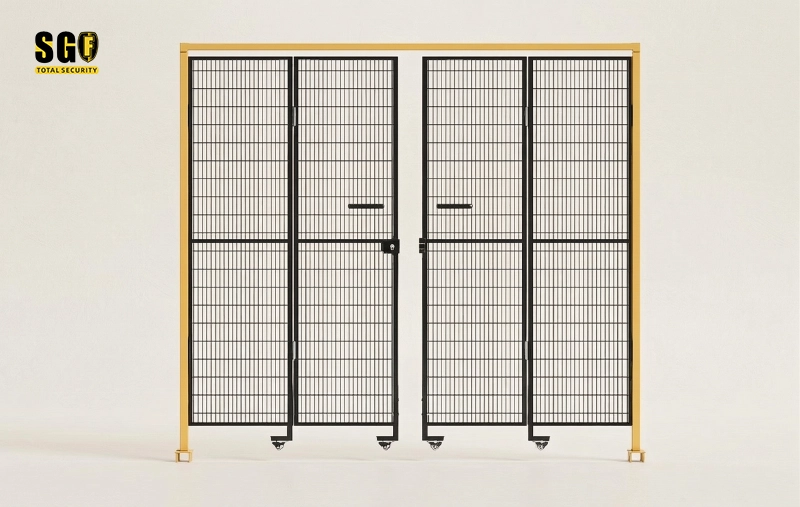
Why 120 mm matters in space-critical layouts
In a recycling plant, a wide safety offset is not a small detail. It can erase storage lanes, choke maintenance access, and force equipment farther apart than the process wants. Traditional guarding often solves compliance by asking the plant to surrender valuable floor space. Machine Fence is built for the opposite result: keep the protected boundary tight, keep the line organized, and keep the layout productive.
| レイアウト要件 | 機械フェンス応答 |
|---|---|
| Floor space is expensive | Designed to reduce the legal separation to 120 mm, helping reclaim aisle width and storage room. |
| Equipment rows are tightly packed | 20 × 100 mm precision mesh supports a compact guarding line without unnecessary bulk. |
| Compliance still matters | Creates a defined machine boundary that lets the site guard the process without opening up a risky buffer zone. |
| Multiple sites need repeatable layouts | Panel-based guarding logic makes it easier to standardize space savings across a wider network of plants. |
| Indoor sorting centers need clear access | The fence line can be placed close to the machine envelope, preserving access paths where they are actually needed. |
How Machine Fence fits dense recycling operations
Precision mesh that cuts wasted clearance
The 20 × 100 mm mesh is the core reason Machine Fence can stay compact. Instead of forcing a broad defensive perimeter around every machine island, the fence keeps the safety boundary tight and orderly. That matters in indoor metal recovery and scrap sorting centers where every aisle segment has a job to do.
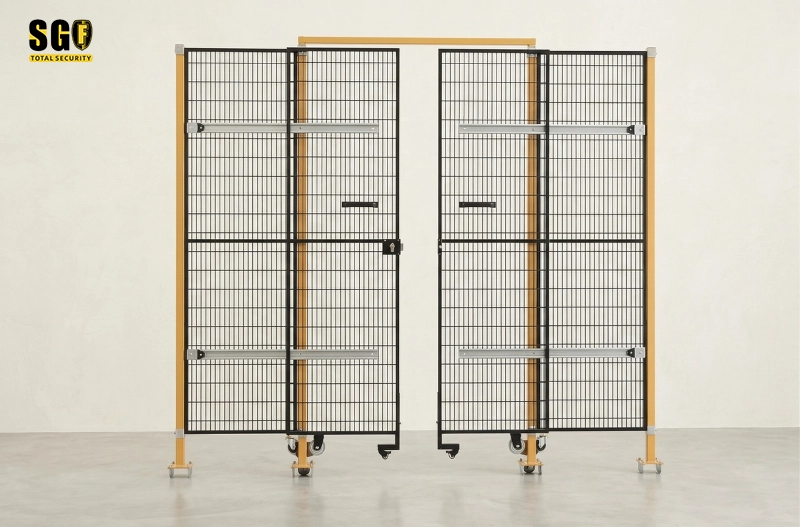
Modular bays for equipment-dense rows
Dense layouts fail when the guarding line does not respect the machine line. Machine Fence is easier to align around conveyors, sorting islands, and maintenance openings because the panel system follows the layout instead of fighting it. That helps the plant keep both protected zones and operating lanes cleanly separated.
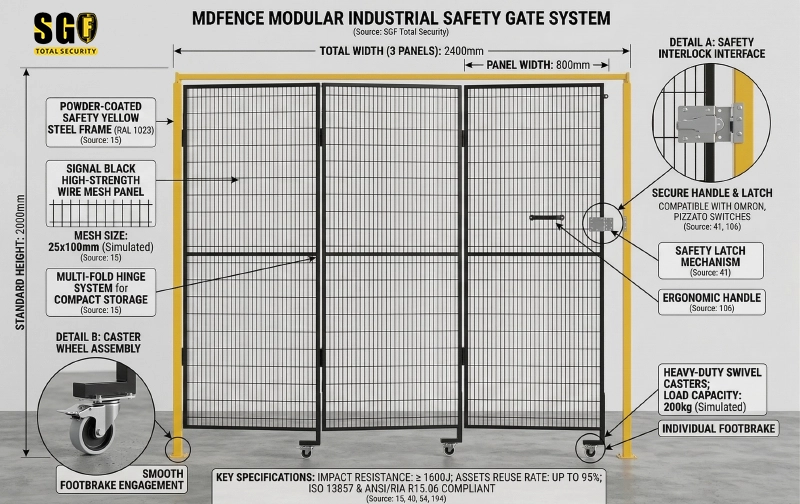
Installation detail built for repeatable rollout
When a company runs many sites, the best guarding solution is the one that can be repeated without redesigning every plant from zero. Machine Fence supports a layout-first installation approach, so the same space-saving logic can be carried from one dense facility to the next with less friction.
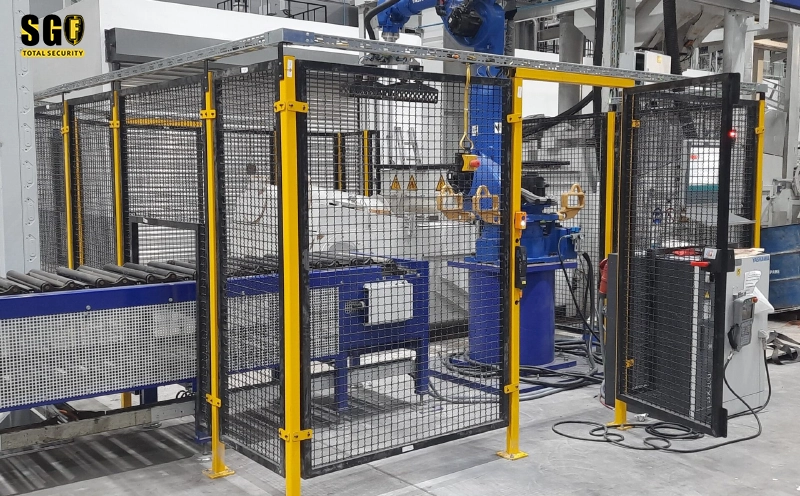
最適な用途
- Indoor metal recycling sorting centers where storage and process lanes compete for the same floor.
- Scrap handling zones with conveyors, bins, and service access packed into a narrow footprint.
- Machine islands that need a legal guarding boundary without pushing equipment farther apart.
- Multi-site operators that want the same compact safety logic rolled out across many plants.
Machine Fence is not for sites that can afford to waste space. It is for operations where every extra meter of clearance has a direct cost, and where the safest layout is also the most compact workable layout.
Plan the layout before you surrender floor space
If your current guarding plan forces large offsets, start with the machine envelope, aisle widths, and maintenance access points. Machine Fence is designed to turn that drawing into a tighter legal boundary, not a bigger no-go zone. For a large multi-site network, the recovered space compounds fast site after site.
Need to recover floor space without weakening compliance?
Send the line map, machine footprint, and target aisle widths. We will review whether a Machine Fence layout can compress the protected zone and keep the operation moving.