JA
JA  EN
EN  DE
DE  RU
RU  PT
PT  ES
ES  IT
IT Machine guarding for woodworking plants
Machine guard fencing for woodworking plants without hot work
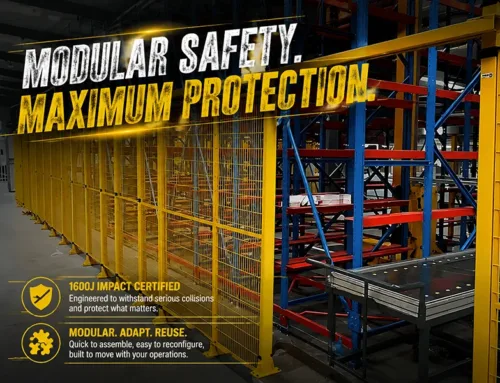
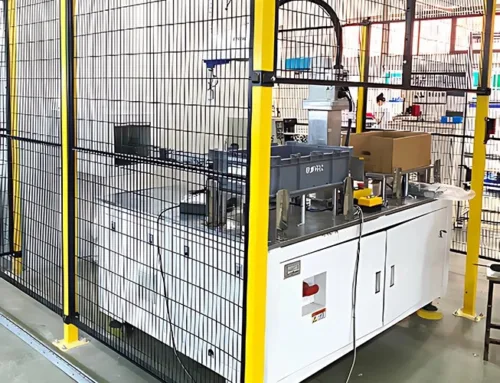
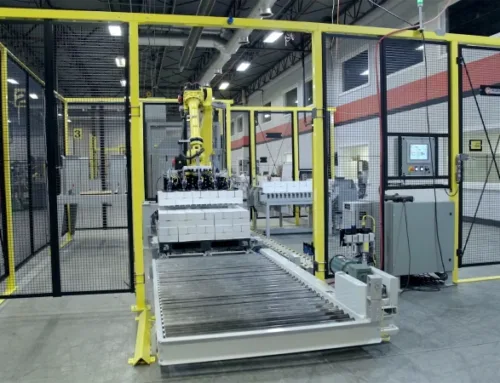
When a pallet factory or woodworking line has to change layout fast, the fence system should not create a fire permit problem or a sunk-cost problem. Mdfence uses a patented snap-lock modular cold-work assembly, so the guarding can be installed without welding, without sparks, and without interrupting a dust-sensitive production zone.

Cold-work installation fits fire-sensitive workshops
Woodworking plants live with sawdust, trim waste, and fire-control rules. A welded fence solves the guard problem only after it creates another one: hot work on site. Mdfence is designed as a cold-work system, so the team can install guarding without bringing flame, arc, or grinding into the production area.

Modular joints make future line changes practical
Pallet factories rarely stay fixed. When throughput shifts, the machine layout shifts with it. The snap-lock modular structure lets the fence be disassembled, moved, and rebuilt without treating the old fence as scrap. That is the difference between a one-time weld-up and an asset that follows the production plan.

Reuse rate changes the economics of machine guarding
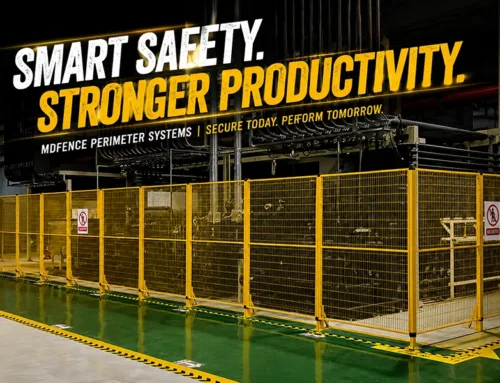
Traditional welded fencing often becomes an irreversible expense once the cell is reconfigured. Mdfence is built for reuse, with a claimed asset reuse rate of up to 95%. That matters because the guarding no longer disappears when the production map changes; it gets repurposed into the next safe layout.

この機械用防護フェンスの最適な設置場所
- Pallet factories that must adjust machine islands as order volume changes
- Wood-processing workshops that cannot afford onsite welding or spark risk
- Plants that want guarding to be reused, not scrapped, after every layout change
Layout note for the engineering team
Before you specify the fence, map the machine footprint, maintenance access, pedestrian path, and future reconfiguration space. Mdfence works best when the guarding plan is drawn around change, not just around the current cell.
Turn a guarding expense into a reusable safety asset
If your woodworking line needs machine guard fencing that respects hot-work restrictions and still survives repeated layout changes, Mdfence is built for that operating reality.