JA
JA  EN
EN  DE
DE  RU
RU  PT
PT  ES
ES  IT
IT 機械警備システム
Machine Guarding Systems for impact-prone logistics lines
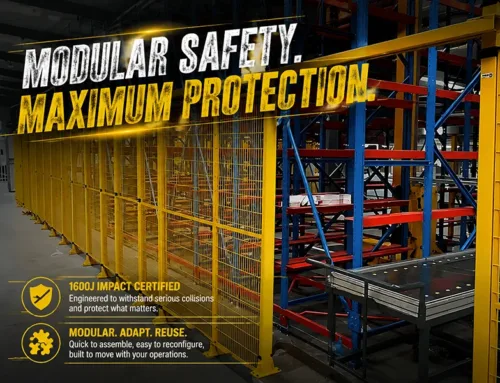
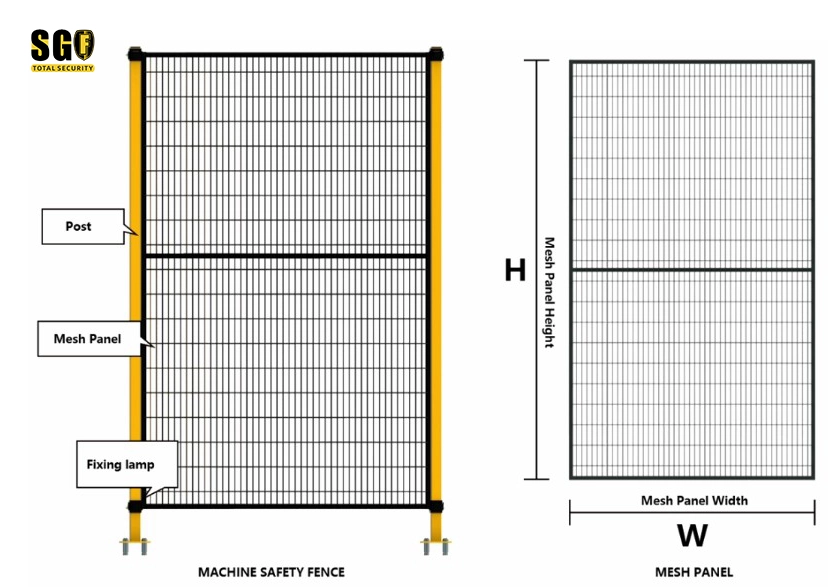
In high-frequency warehouse and factory logistics, a small forklift scrape or AGV path collision can trigger a wider stop than the impact itself. Mdfence is built for those zones: a Q235 carbon steel structure, 60×60 mm thick square-tube posts, 20x30x1.5 mm framed mesh panels, and flat full welds that keep the guard aligned when low-cost frameless mesh fails.

Why this guarding system fits high-impact logistics areas
The common failure mode in AGV corridors and forklift loading zones is not a dramatic crash. It is a series of light impacts that bend weak posts, loosen mesh edges, and jam a safety gate so it cannot close. Once the gate stops closing, the automation layer often sees a global safety fault and the whole line stops. Mdfence is designed to absorb that abuse through metal plastic deformation instead of sudden fracture, helping reduce emergency service calls and unplanned downtime.
| 要件 | Mdfence応答 |
|---|---|
| Frequent light impact near AGV routes | 60×60 mm thick square-tube posts keep the fence line stable where repeated scrapes are normal. |
| Weak frame connections on cheap mesh fencing | 20x30x1.5 mm panel frames and flat full welds prevent the panel from loosening or dropping out after contact. |
| Need to avoid line-wide safety shutdowns | Rigid alignment helps the gate continue to close cleanly after impact, protecting the automation system from nuisance faults. |
| Service cost and downtime pressure | Controlled plastic deformation absorbs overload energy without easy disintegration, lowering after-sales maintenance frequency. |
Structure evidence behind the performance
1) Post and panel geometry built for repeated contact
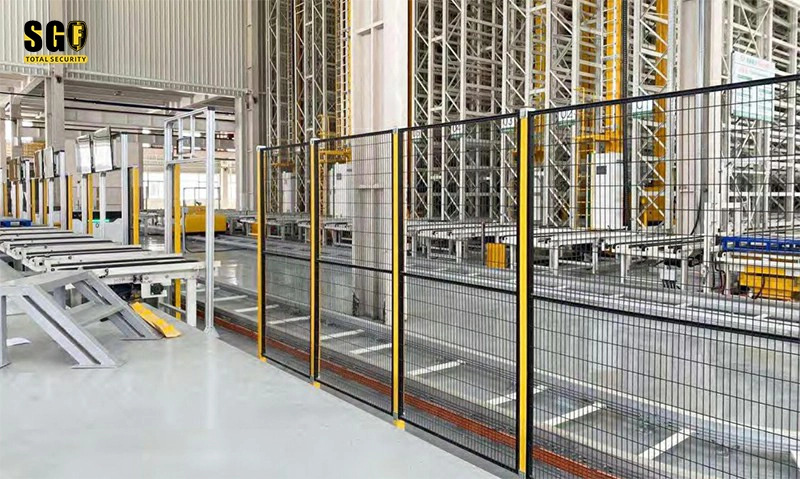
The technical layout matters because the load path is clear: the post takes the hit, the framed panel stays captured, and the system keeps its shape. That is why the product uses Q235 carbon steel, a 60×60 mm thick square-tube post, and a 20x30x1.5 mm framed mesh edge instead of a loose frameless edge. In practice, the fence can deform locally under an overload event without turning into a broken, detached safety hazard.
2) Installation detail that supports long-term alignment
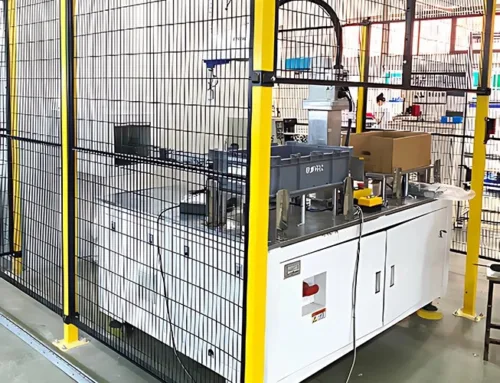
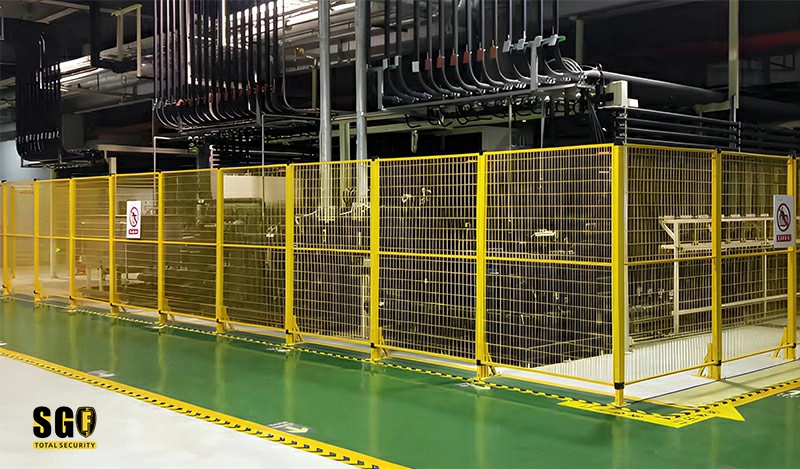
High-impact guarding only works if the base is stable. The installation sequence shows base plate positioning, drilling, expansion bolts, and retention hardware. That matters in real logistics zones because a fence that starts square stays easier to close, easier to inspect, and less likely to develop the gate misalignment that triggers safety interlocks.
3) Conveyor and transfer zones need controlled perimeter protection
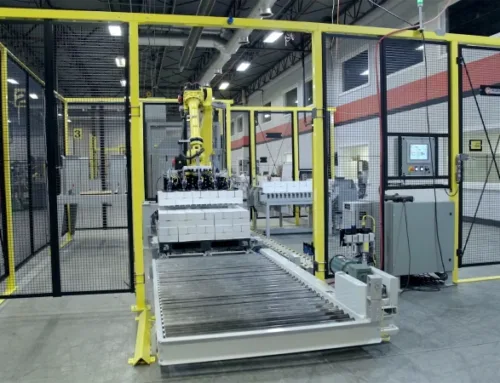
The safest guarding strategy is to protect the whole workflow edge, not only the machine body. In the conveyor and transfer area, the fence keeps moving equipment separated from walking lanes and vehicle traffic. That reduces accidental contact in the first place and limits the chance that a small scrape becomes a production-wide shutdown.
Where the system is most effective
- AGV routes with tight turns and repeated side-scrape risk
- Forklift loading and unloading zones with frequent pallet handling
- Transfer conveyor perimeters where moving equipment needs a hard boundary
- Machine cells that must stay closed after minor impact, not just look protected
- Warehouse aisles where one bent guard should not stop the entire automation line
For these environments, the value is not just stronger steel. It is fewer gate jams, fewer emergency adjustments, and a better chance that local damage stays local instead of spreading into a full-site safety stop.
What to specify before you deploy machine guarding
Before you finalize a guarding layout, define the traffic pattern, impact direction, closing clearance, and maintenance access. Then match those conditions to the Mdfence structure: Q235 steel, 60×60 mm posts, 20x30x1.5 mm framed panels, and full-weld contact points. That is the practical way to turn a fence into a reliable machine guarding system rather than a consumable barrier.
Keep collisions from becoming line stops
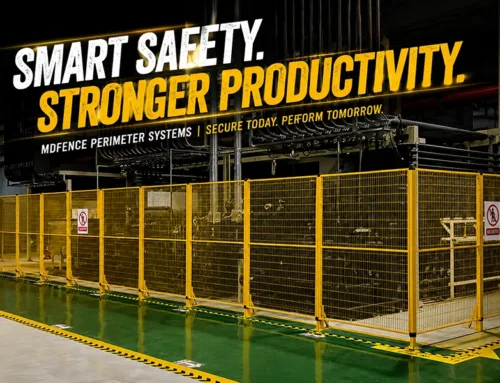
If your site has frequent forklift contact or AGV-side impact risk, Mdfence is built to carry the hit, hold alignment, and protect the wider automation system from avoidable shutdowns.