JA
JA  EN
EN  DE
DE  RU
RU  PT
PT  ES
ES  IT
IT 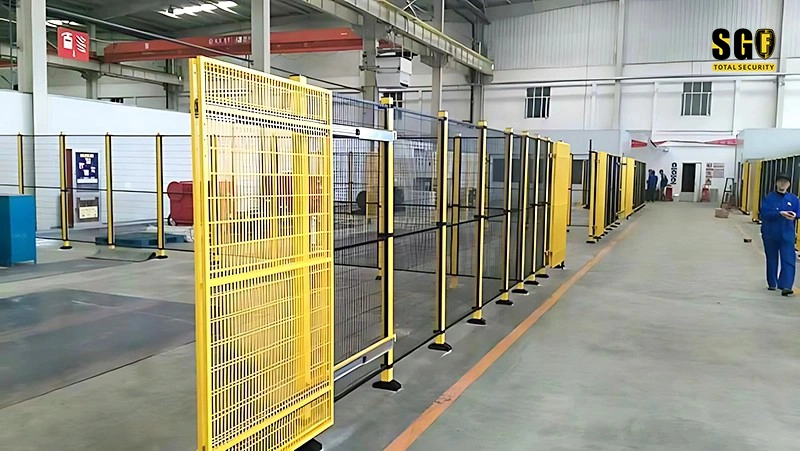
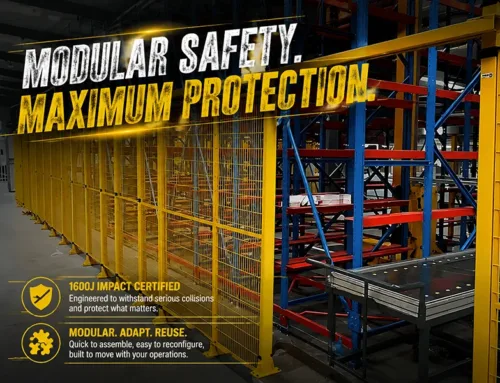
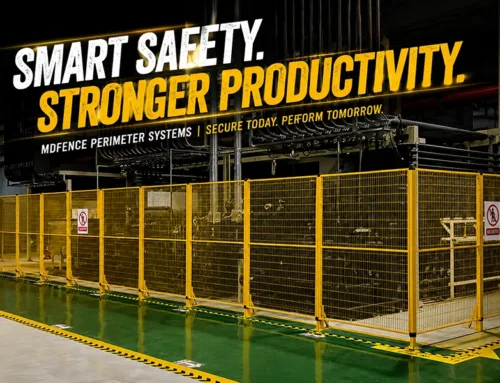
MDFence modular safety fence helps medical cleanrooms and high-end manufacturing projects avoid welding dust, sparks, odor, fire permit delays, and long shutdown windows. For operating plants that need a machine safety barrier installed inside controlled environments, the all-bolted cold-work structure delivers faster deployment, cleaner execution, and more than 95% asset reuse when equipment layouts change.
Why welded barriers become a problem inside controlled production environments
In medical device manufacturing, optoelectronics assembly, and other high-spec production spaces, installation quality is judged by more than whether the fence stands upright at the end of the day. The real question is what the installation process leaves behind. Traditional welded barriers bring metal dust, grinding residue, coating damage, hot work fumes, sparks, and permit paperwork into areas that are already validated for cleanliness, traceability, and continuous output.
That is where many projects lose time. A seemingly simple safety fence scope can trigger hot-work approvals, area isolation, additional housekeeping, and temporary production interruptions. In facilities that are already running, the fence itself is no longer the bottleneck. The bottleneck becomes the uncontrollable nature of field fabrication.
How MDFence keeps the job in cold-work mode from start to finish
All-bolted modular structure
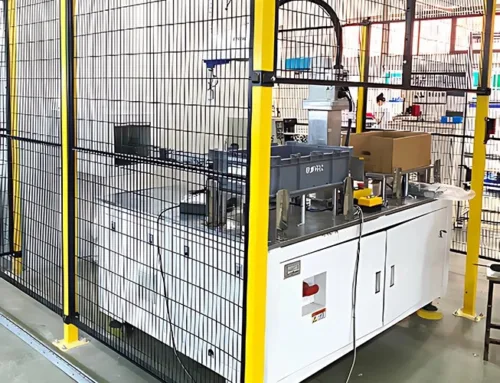
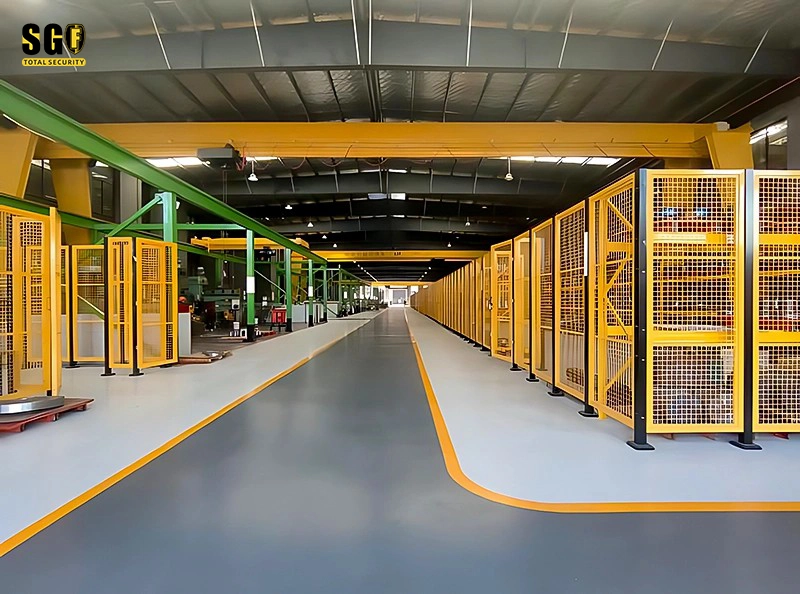
MDFence is designed around a pure mechanical assembly logic. Posts, framed mesh panels, clamps, and door components are connected by bolted interfaces instead of field welding. That means installers can complete the job with hand tools rather than torches, grinders, or on-site fabrication.
High-strength clamp ring connection
The clamp-and-bolt connection method reduces installation variability and keeps panel alignment predictable. For the plant team, that translates into a cleaner site, shorter access windows, and less dependence on specialist hot-work crews.
This cold-work approach directly addresses the biggest practical pain point in medical and high-end manufacturing projects: the installation method itself no longer introduces sparks, smoke, paint burn-off, or welding debris into a controlled operating environment.
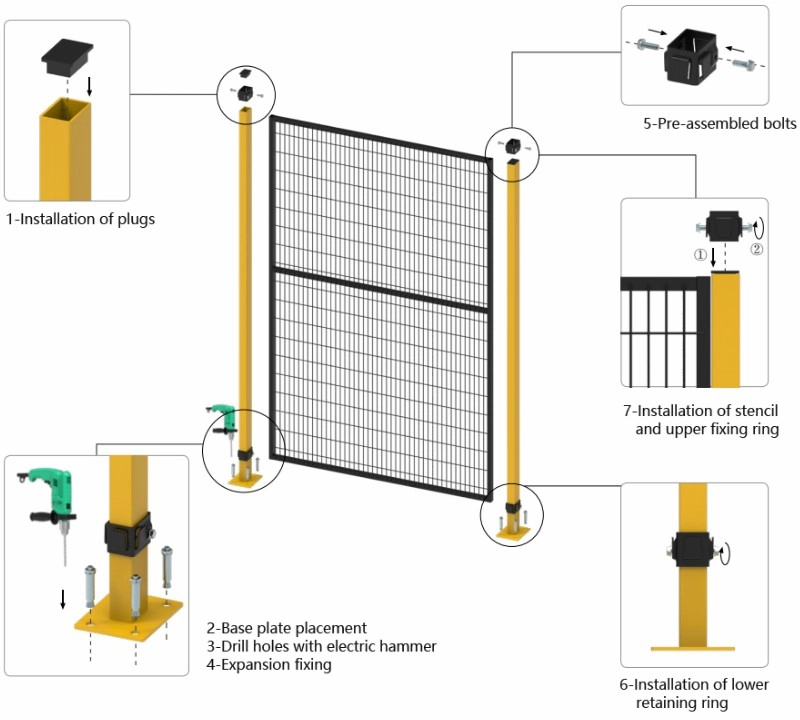
The modular assembly diagram reflects the field logic: position, anchor, clamp, hang the panel, and lock the structure without hot work.
What faster installation means when the factory is already running
Speed matters differently in operating plants. A faster install is not only a labor-saving claim. It means less area isolation, fewer permit handoffs, less schedule conflict with maintenance teams, and a smaller interruption window for adjacent processes. MDFence can typically be installed about 40% faster than traditional welded guarding in comparable layouts because the site crew is assembling standardized parts instead of fabricating from scratch.
| プロジェクトの問題 | Typical welded barrier risk | MDFence modular safety fence result |
|---|---|---|
| Cleanliness control | Dust, sparks, odor, coating burn, post-cleaning burden | Cold-work installation with no welding dust or fire hazard |
| Permit and approval flow | Hot-work permit delays and restricted work windows | Two workers with wrenches can complete assembly faster |
| Installed asset value | Barrier often becomes single-use after relocation | More than 95% reusable asset retention during line moves |
| Change management | Cutting and re-welding required for modifications | Modules can be reconfigured with minimal material loss |
For plant managers, that combination changes the financial profile of the project. The fence is no longer a sunk fabrication expense. It becomes a reusable safety asset that can move with the production line.
Why the structure still matters after the clean installation is finished
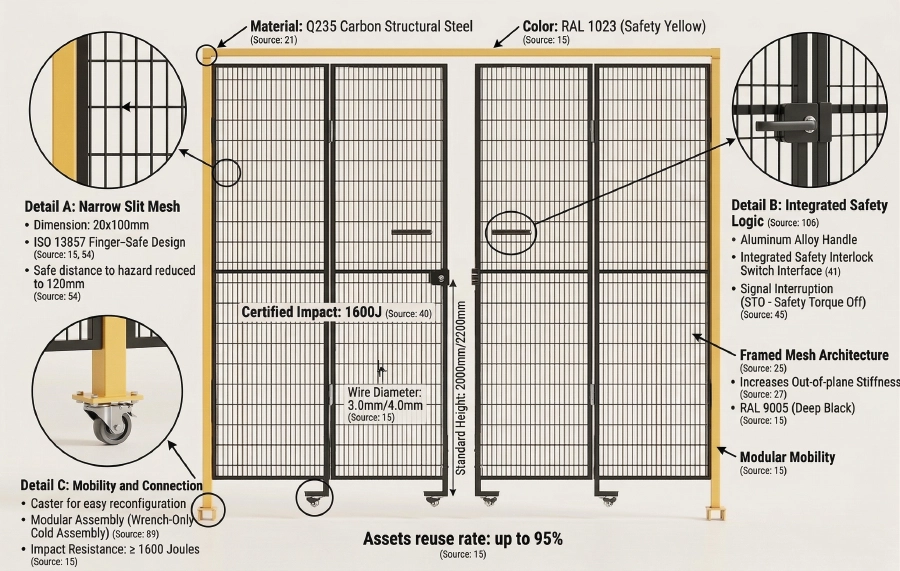
Clean installation is only half of the story. The guarding system must also remain stable through daily operation, maintenance access, and future layout adjustments. MDFence uses framed steel mesh construction instead of loose open-web field assemblies, helping the barrier keep its geometry over time and maintain a professional, repeatable interface at gates and line boundaries.
- Modular framed panels support straight alignment across long runs.
- Standardized door and passage options simplify access planning for maintenance teams.
- Mechanical connections support cleaner disassembly and reinstallation during equipment relocation.
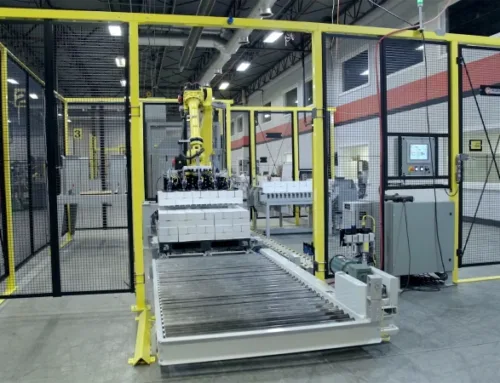
- The system helps separate personnel flow, machine zones, and service access without making the layout permanent.
Best-fit scenarios for this machine safety barrier approach
Medical device plants
Useful where controlled assembly areas cannot tolerate sparks, smoke, or extended housekeeping after installation.
Optoelectronics and precision manufacturing
Ideal for workshops where airborne residue and long stoppages create direct process or yield risk.
Brownfield automation upgrades
Effective when new guarding must be added inside an already operating line with limited shutdown windows.
Factories expecting future relocation
Strong fit for plants that want to preserve fence value instead of scrapping welded barriers after a line move.
For clean factories, the installation method is part of the safety decision
If the project must protect people without contaminating the workspace, delaying startup, or turning the barrier into scrap after the next layout change, MDFence modular safety fence offers a cleaner path: cold-work installation, faster deployment, and durable reuse value for medical and high-end manufacturing facilities.