PT
PT  EN
EN  DE
DE  RU
RU  JA
JA  ES
ES  IT
IT 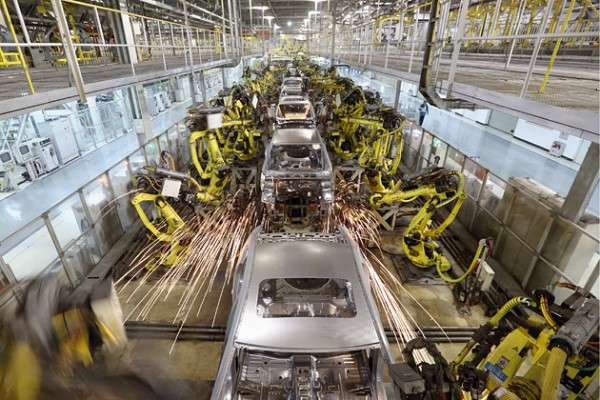
The Importance of Automation Fences in Modern Manufacturing
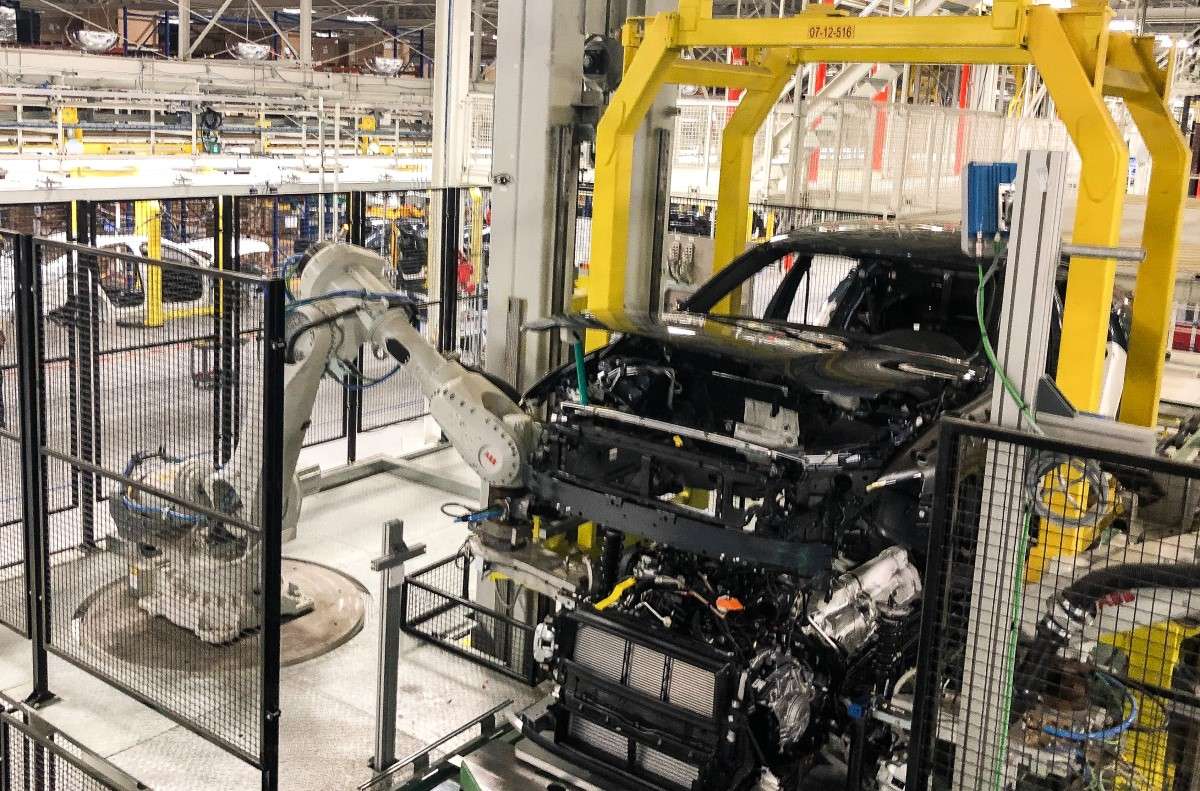
In recent years, the manufacturing industry has witnessed a rapid transformation with the integration of automation technologies. As factories embrace automation to enhance productivity and efficiency, ensuring the safety of workers and equipment becomes paramount. One critical component that plays a pivotal role in modern manufacturing safety is automation fences. These physical barriers not only segregate human workers from automated machinery but also offer numerous benefits that contribute to a seamless and secure manufacturing environment.
Enhancing Worker Safety
The primary purpose of automation fences in modern manufacturing is to enhance worker safety. As production floors become increasingly automated, the risk of accidents and collisions between humans and machines rises significantly. Automation fences act as a protective barrier that restricts access to dangerous areas and prevents unintended interactions. By separating workers from automated equipment, these barriers reduce the likelihood of injuries and create a safer workplace.
Moreover, automation fences are often equipped with safety interlock systems. These systems can detect any breach in the fence’s integrity and immediately halt the operation of machinery, preventing potential accidents. This extra layer of protection ensures that workers can perform their tasks with peace of mind, knowing that their well-being is prioritized.
Optimizing Production Efficiency
Contrary to the perception that automation fences impede efficiency, they can actually optimize production processes. By clearly defining the workspace for automated machinery, these fences prevent any obstruction from unrelated personnel. This ensures that machines can operate at full capacity without any unnecessary interruptions or delays caused by human interference.
Additionally, automation fences facilitate the implementation of collaborative robotics, where human workers can collaborate safely with automated systems. Cobots, or collaborative robots, are designed to work alongside humans without endangering their well-being. Automation fences provide the necessary boundaries and guidelines for cobot integration, allowing manufacturers to harness the full potential of human-robot collaboration in a controlled and safe manner.
In conclusion, automation fences have become an indispensable component of modern manufacturing facilities. By prioritizing worker safety and optimizing production efficiency, these physical barriers enable the seamless integration of automation technologies. Manufacturers must recognize the importance of automation fences and invest in high-quality, customizable solutions that align with their specific production requirements. Embracing automation fences not only protects the well-being of workers but also unlocks the true potential of automation, propelling the manufacturing industry into a safer and more productive future.
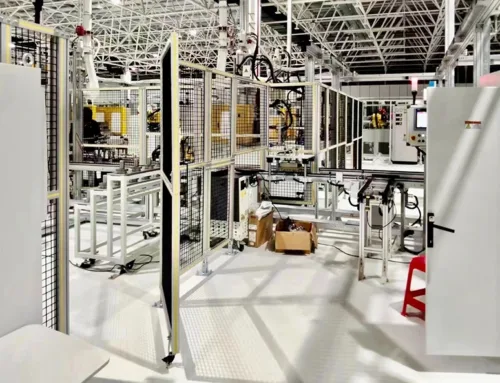
Cerca de isolamento de equipamentos para células de carga de robôs: Alfence interrompe paradas indesejadas
Para células de carregamento de robôs, a cerca de isolamento de equipamentos Alfence mantém sensores, intertravamentos e rotas de cabos fora dos postes de aço pintados, para que o CLP não desarme com sinais falsos de porta.
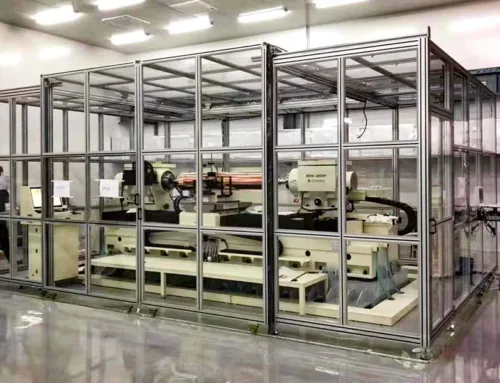
Cercamento de proteção de máquinas para linhas higiênicas de alimentos e farmacêuticas | Alfence
A cerca de proteção de máquinas Alfence usa construção de cerca de segurança com perfis de alumínio e proteção anticorrosiva com pintura em pó para suportar layouts higiênicos em alimentos, bebidas, farmacêuticos e salas limpas.
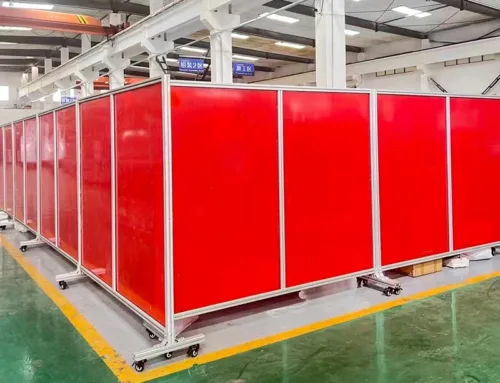
Cercas de Proteção de Máquinas para Plantas Higiênicas de Alimentos, Bebidas e Farmacêuticas | Alfence
A cerca de proteção de máquinas Alfence usa perfis de alumínio e pintura em pó para proteger linhas sensíveis à higiene com uma barreira mais limpa e mais fácil de manter.