PT
PT  EN
EN  DE
DE  RU
RU  JA
JA  ES
ES  IT
IT 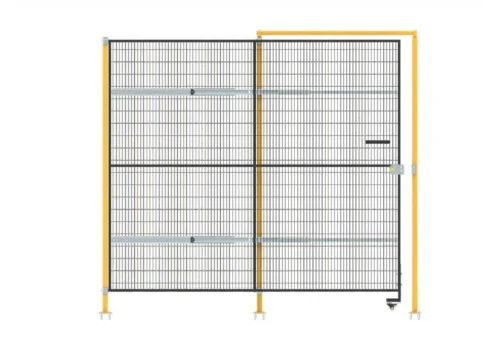

|
In a high-speed automotive body shop or robotic welding cell, a safety perimeter isn’t just a compliance checkbox—it’s the only thing standing between a 6-axis robot moving at 2 meters per second and your maintenance crew. You don’t have time to repaint rusted mesh or re-weld posts that buckled under vibration. You need a guarding system that installs fast, integrates with your PLCs, and withstands the harsh reality of the factory floor. |
The Hidden Cost of “Cheap” Perimeters in Automated Cells
As an automation integrator or plant manager, you know the drill. You specify a generic aluminum profile fence for a new welding station. Six months later, weld spatter has pitted the polycarbonate, the vibration from the stamping press next door has loosened the T-nuts, and a forklift nudged a corner post, misaligning the door interlock. Suddenly, the machine trips into E-stop mode. Production halts.
This is why switching to a purpose-built, steel-based Cercas de segurança para máquinas system is a capital improvement, not just an expense. We aren’t talking about storing tires; we are talking about isolating high-kinetic-energy hazards.
Engineered for Impact: Why Q235 Carbon Steel Matters
In heavy industrial environments, “maintenance-free” means structural integrity. The Mdfence system abandons lightweight extrusion in favor of Aço carbono Q235. The logic is simple: resistance to deformation.
Our standard posts feature a 60x60mm cross-section with a wall thickness up to 2.0mm. Unlike systems that rely on friction clamps, our posts are anchored via a heavy-duty welded base plate using M10x70mm expansion bolts. This ensures that if a pallet jack accidentally clips the perimeter, the energy is absorbed by the structure, not transferred to the delicate safety switch alignment.

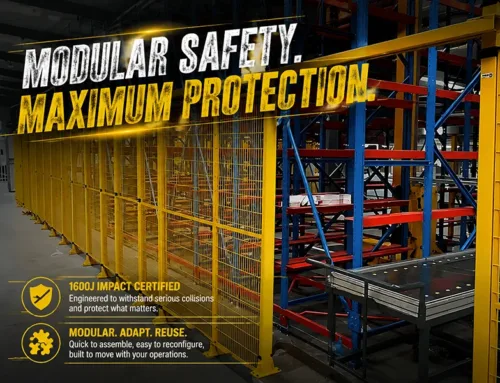
Figure 1: Heavy-duty Q235 steel post construction with welded base plates for maximum stability in high-vibration environments.
Seamless Integration with Safety Interlocks (LOTO)
The biggest headache in Cerca de Segurança para Robôs isn’t the steel; it’s the integration with the safety circuit. Retrofitting a generic door to accept an Omron D4NL or a Pizzato switch usually involves an angle grinder and a lot of frustration on the shop floor.
Mdfence systems are designed as “active” components of your automation cell. We provide pre-engineered Safety Interlock Carriers (mounting kits) that bridge the gap between the physical barrier and your electronic safety controls. Whether you are using simple magnetic sensors or complex solenoid-locking RFID switches for Lockout/Tagout (LOTO) procedures, the fence is ready to accept them without on-site fabrication.

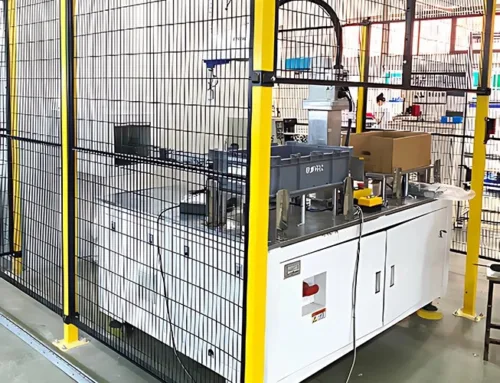
Figure 2: Dedicated mounting brackets and mechanical lock options designed to integrate seamlessly with third-party safety interlocks.
Access Solutions for Tight Layouts
Automotive plant layouts are notoriously tight. A standard swing door on a robotic assembly line might block an AGV path or encroach on a safe walkway. This is where modularity becomes a maintenance saver.
Our framed panel system allows for the rapid deployment of Sliding Doors or Folding Doors using the same standard mesh panels. For wide openings required for forklift access to load raw materials into a cell, a trackless sliding system eliminates the trip hazard of a floor rail while maintaining the rigidity needed to keep the door aligned over thousands of cycles.

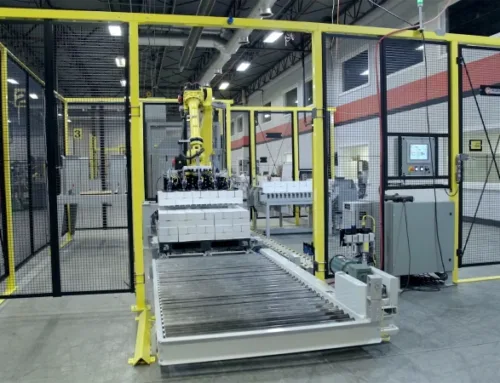
Figure 3: Single sliding door configuration optimizes floor space in tight automated production lines.
From “Build to Print” to “Plug and Play”
Time-to-market is critical for system integrators. You cannot afford to spend three days welding mesh on-site. Our Cerca de Segurança Industrial utilizes a framed panel design where the wire mesh (3mm or 4mm diameter) is fully welded into a 20x30mm tube frame before powder coating.
This design eliminates sharp edges (snag points for workers) and allows for rapid assembly using standard fixing rings and flange bolts. A two-man crew can erect a complex cell perimeter in a fraction of the time required for traditional fencing, ensuring your automation project hits its commissioning deadline.

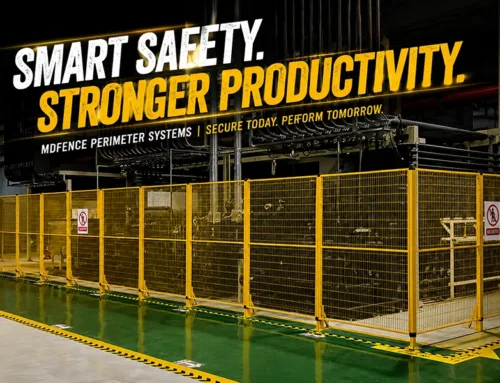
Figure 4: The modular assembly process uses standardized fixing rings and bolts, eliminating the need for on-site welding or cutting.
Perguntas Frequentes
1. Can Mdfence integrate with our existing Omron or Sick safety light curtains?
Yes. While the fence provides physical isolation, our posts are designed to easily mount brackets for light curtains at entry and exit points (like conveyor feeds) where solid doors are not feasible.
2. Does the powder coating withstand automotive fluids and oils?
Absolutely. Our panels undergo a rigorous powder coating process adhering to GB/T9286-1998 standards. They are tested for corrosion resistance (ISO9227 salt spray test), making them resistant to cutting fluids, oils, and general industrial grime common in machining centers.
3. We have a robotic welding cell. Do you offer solid panels to block arc flash?
Yes. For welding applications, we replace the standard wire mesh with solid steel sheet or light-blocking polycarbonate panels to protect nearby personnel from harmful UV arc flash and weld spatter.
4. How do you handle non-standard layouts with 45-degree angles?
Our connection system is flexible. The fixing rings allow panels to be mounted at various angles relative to the post, accommodating complex geometries often found in retrofitted automation lines.
5. Is the system compliant with ISO 14120 standards?
Yes, the Mdfence system is designed and manufactured to meet or exceed ISO 14120 requirements for general requirements for the design and construction of fixed and movable guards.