PT
PT  EN
EN  DE
DE  RU
RU  JA
JA  ES
ES  IT
IT Cerca de segurança para proteção de máquinas
Machine Guarding Safety Fence for Explosive Scrap Dismantling Lines
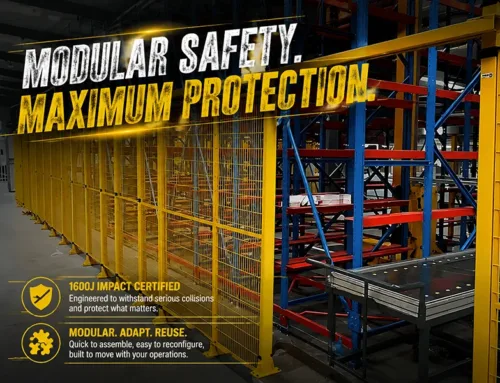
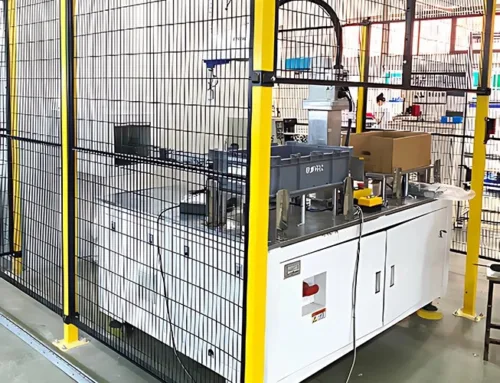
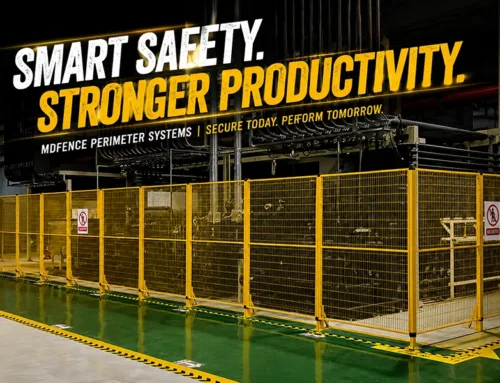
This machine guarding safety fence is built for scrap dismantling zones where residual fuel, oil, and metal dust make hot work unacceptable. It gives plant teams a cold-work way to isolate the line, keep retrofit downtime low, and reuse the same guarding assets when the layout changes.
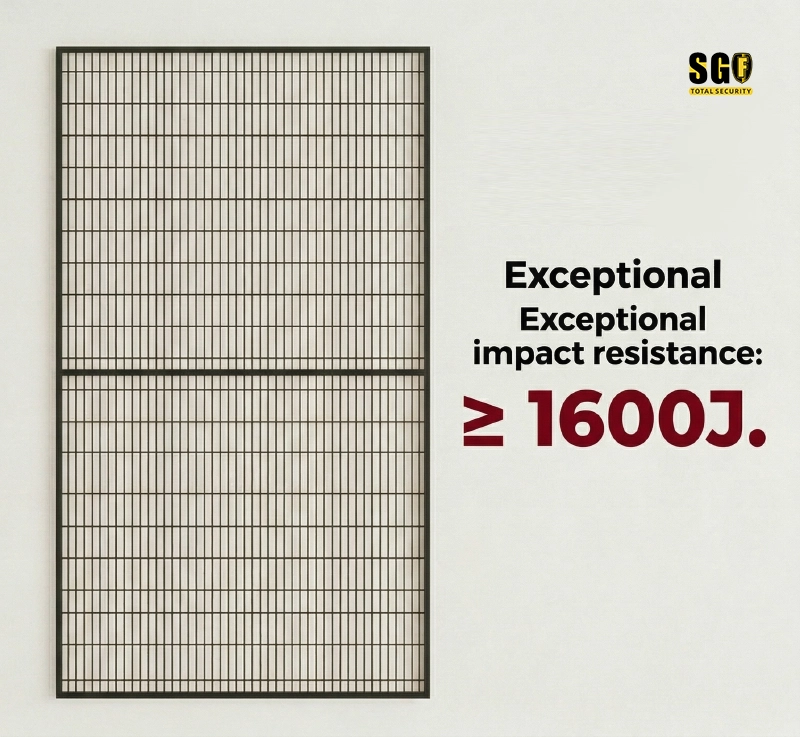
Why this fence fits high-risk dismantling lines
When a dismantling line handles end-of-life vehicles, remaining fuel residue, lubricants, and airborne metal dust, the barrier around it has to do more than separate people from machinery. It has to support a true cold-work installation method, avoid sparks during changeovers, and keep future line changes from turning into another full replacement purchase.
| Requisito | Resposta do Mdfence |
|---|---|
| Nenhum trabalho a quente no local. | Clamp-connected panels assemble without welding, cutting, or drilling, so the retrofit stays fully cold-work. |
| Explosion-risk area control | The guarding line is suited to high fire-risk zones where sparks and open flame are not acceptable during installation. |
| Mudanças frequentes de layout | Modular sections can be removed and reassembled when the process flow changes. |
| Low shutdown cost | Fast field assembly shortens downtime compared with welded fencing that must be cut out before rework. |
| Reutilização de ativos | Panels and connectors can be reused at a new line layout, supporting more than 95% asset recovery. |
| Access and re-entry | Corner and gate modules help keep access points organized when the production cell is rebuilt. |
Three reasons the system holds up in retrofit work
1) Cold-work installation removes ignition risk
The biggest issue in scrap dismantling is not the fence itself, but how the fence gets installed. If a traditional barrier needs welding or cutting, the job introduces the exact sparks a high-fire-risk area cannot tolerate. Mdfence uses a no-drill clamp connection system, so crews can assemble the guard line without hot work and keep the site in a safer operating state.
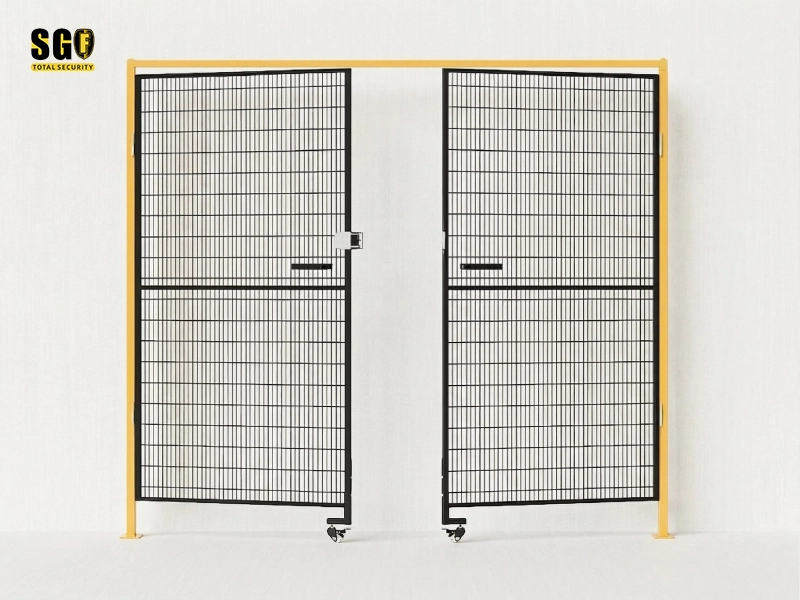
2) Modular panels make redesign faster
In a plant that changes often, a fixed welded fence becomes a sunk cost the moment the line moves. This modular machine guarding safety fence can be dismantled and rebuilt with the same components, which makes the original investment usable across multiple retrofit cycles instead of becoming scrap after one revision.
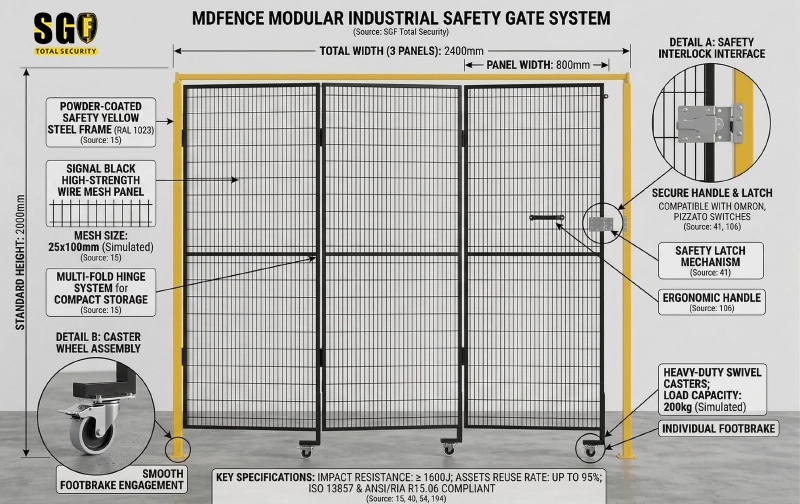
3) Reconfigurable corners and gates support real production flow
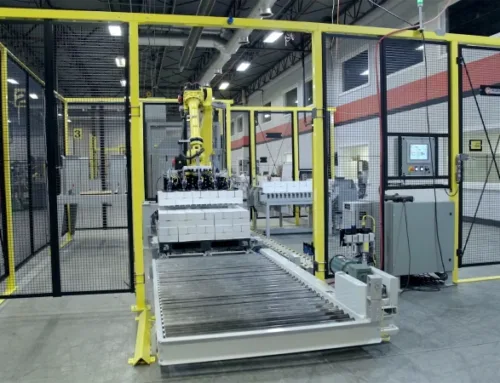
Scrap lines rarely stay straight for long. They grow around conveyors, inspection points, and maintenance access. The reconfigurable corner and gate arrangement keeps the fence usable when a line expands, turns, or needs a new service entry, so the guarding layer follows the process instead of blocking it.
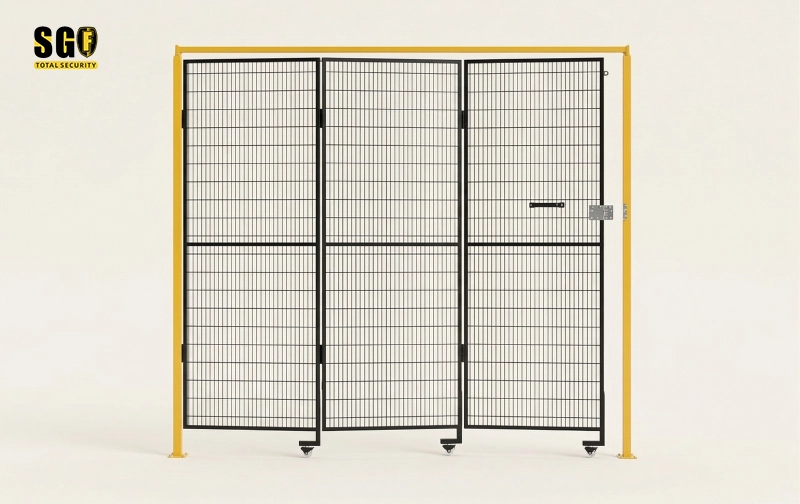
Where this machine guarding safety fence is used
- End-of-life vehicle dismantling zones with residual fuel and oil
- Metal recycling lines that need fast rework without hot work permits
- Production cells that are upgraded repeatedly across the year
- High-dust equipment separation areas where access gates must stay organized
The common thread is simple: the site needs a barrier that protects the line today and can be reused tomorrow. That is why a modular machine guarding safety fence is more practical than a fence that must be destroyed before each change.
O que confirmar antes de especificar a cerca
Before you lock the order, confirm the changeover points, access locations, and which zones must remain fully cold-work during installation. If the layout is likely to change again, specify a modular panel plan from the start so the same guarding assets can be relocated instead of replaced.
Plan the retrofit once, reuse the guard many times
If your dismantling line has explosion-risk constraints and frequent layout changes, Mdfence gives you a machine guarding safety fence that installs without hot work, shortens shutdown time, and keeps the same investment useful across future upgrades.