PT
PT  EN
EN  DE
DE  RU
RU  JA
JA  ES
ES  IT
IT Machine safety fence for space-critical recycling layouts
Machine safety fence that preserves 120 mm clearances in dense scrap sorting centers
Machine safety fence for indoor scrap sorting and metal recovery lines where every square meter matters. With a 20×100 mm mesh design, Mdfence helps teams keep the legal separation tight, protect operators, and avoid wasting valuable floor space on oversized safety offsets.
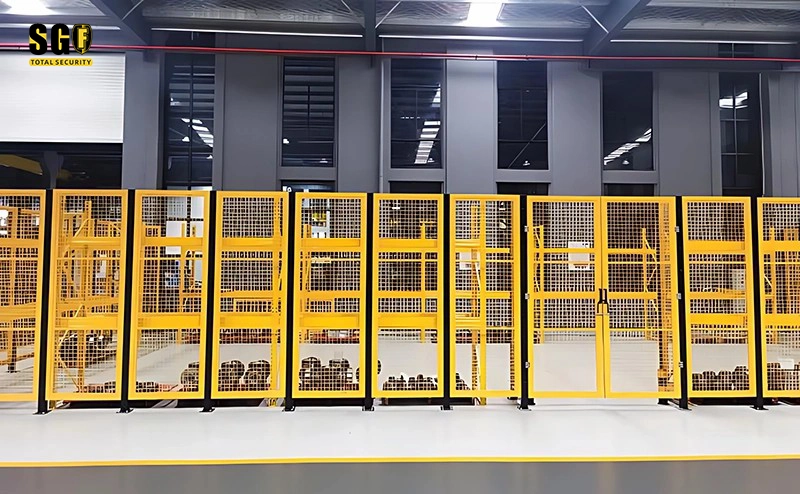
Why dense scrap sorting lines need a different fence spec
Indoor scrap sorting centers are not spacious greenfield factories. They are packed with bins, conveyors, shredding lines, transfer points, and maintenance access routes. When the guarding system forces a large stand-off distance, the result is simple: less usable storage, tighter forklift movement, and slower material turnover. Mdfence is built for that exact problem. Its 20×100 mm precision mesh supports a much tighter compliant layout, so the fence protects people without stealing the floor area the operation depends on.
| Key factor | Resposta do Mdfence |
|---|---|
| Space pressure | Compact machine safety fence layout for dense aisles and material staging zones |
| Compliance gap | 20×100 mm mesh supports an extreme 120 mm legal separation target |
| Structural stability | Framed steel panel system with rigid posts and fixing clamps |
| Risco de instalação | Bolted base plate and expansion-bolt fixing reduce field welding and rework |
| Reconfiguração | Modular panels are easier to move when the scrap line changes |
O que torna o Mdfence adequado para esta aplicação
Tight mesh, tighter footprint
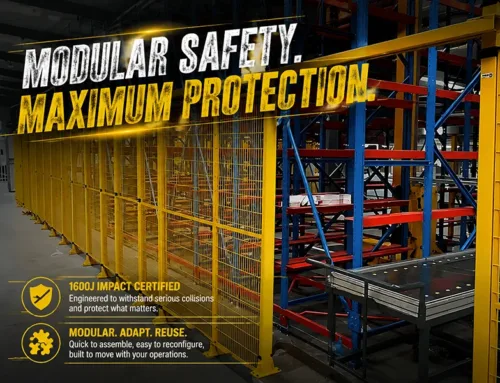
The old approach in many plants is to oversize the safety offset because the guarding system is too coarse or too weak to pass review close to the machine. Mdfence uses a 20×100 mm mesh and a framed steel structure, so the guarding line can be placed close to the hazard while staying practical for inspection, access, and daily operation. In a scrap sorting center, that difference is not academic. It means more room for bins, more room for walkways, and more room for staged material.
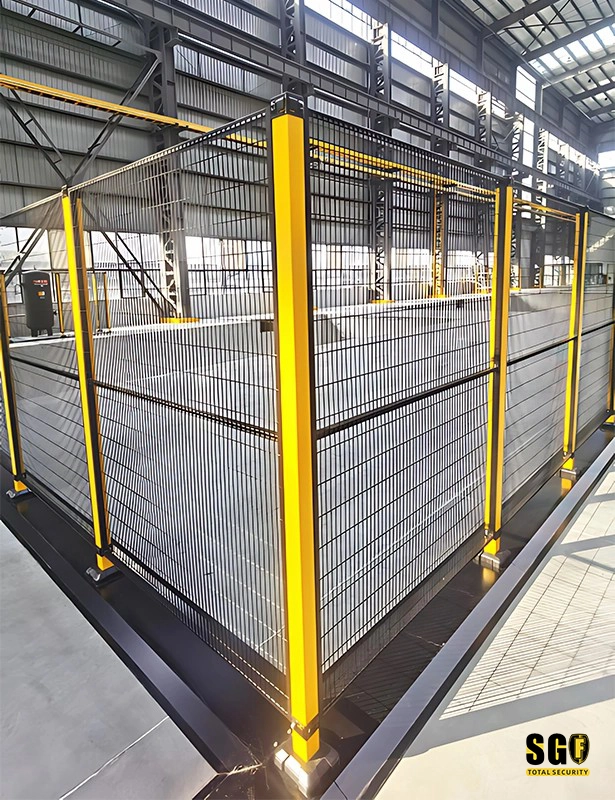
Installed like an industrial system, not a site-made patch
When a fence is welded on site, the job usually drags: cutting, touch-up paint, cleanup, and later repair when the line changes. Mdfence is designed to avoid that waste. The base plate, drilling, expansion bolts, and retaining ring details support a clean installation process, while the modular architecture makes future re-layout far easier. For a multi-site operation, that matters because each plant can standardize the same machine safety fence logic instead of reinventing it on every project.
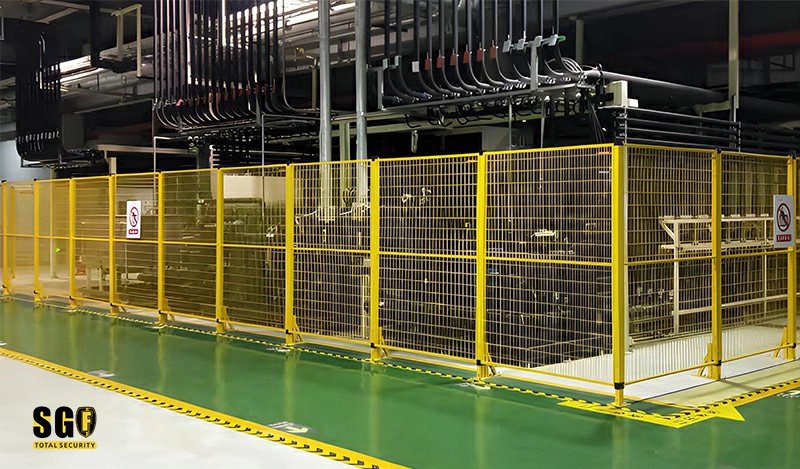
Hardware proof you can inspect on day one
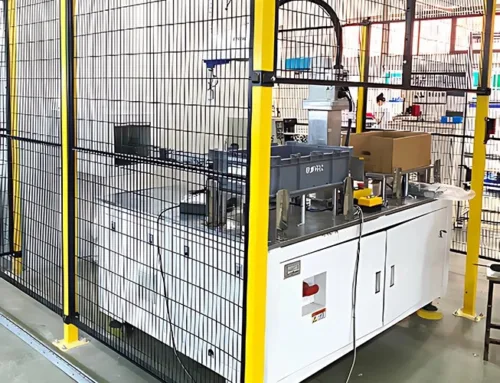
The technical front view makes the product logic visible: post, mesh panel, and fixing clamp are not hidden behind marketing language. That is important for engineers and EHS teams who need evidence, not slogans. In this project type, the fence is doing three jobs at once: controlling access, preserving the compact aisle plan, and keeping the installation repeatable across many locations. The same structure scales well whether the line is a sorting bay, a transfer area, or a maintenance exclusion zone.
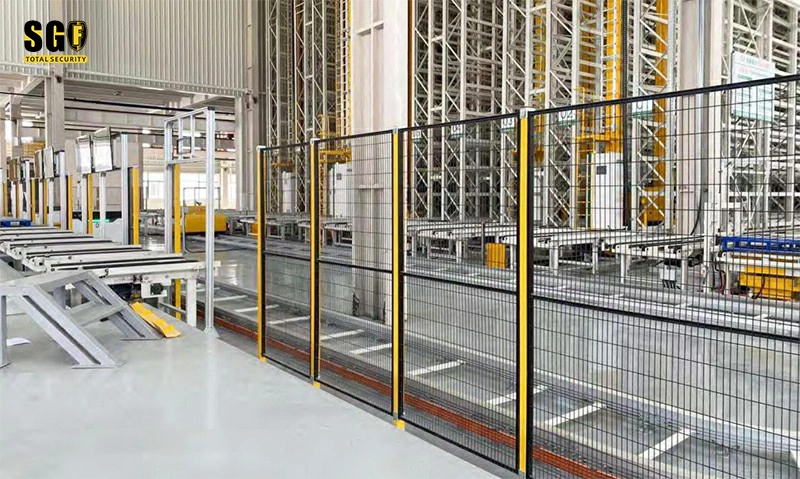
Where this layout works best
- Indoor metal recycling and scrap sorting centers with dense equipment placement
- Conveyor edges, transfer stations, and sorting lanes that need a compact safety boundary
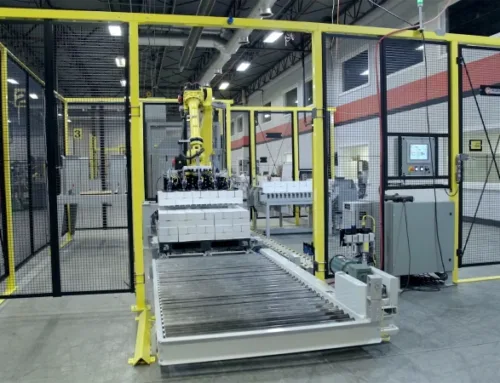
- Machine cells where operators need access control without losing valuable storage area
- Multi-site industrial projects that want one repeatable machine safety fence standard
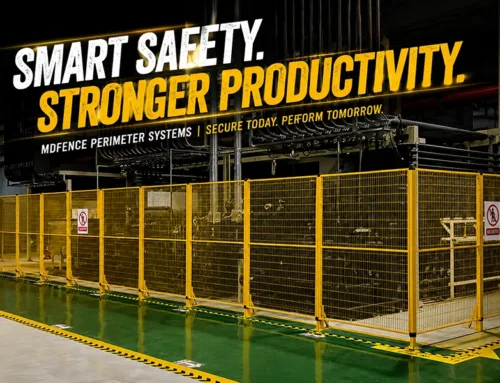
For this kind of operation, the result is not just safer access. It is better space utilization, cleaner traffic flow, and a guarding system that does not force the plant to sacrifice high-value floor area just to stay compliant.
Specification evidence at a glance
Q235 carbon steel frame, 20×100 mm precision mesh, powder-coated industrial finish, fixed base plates, and modular bolted assembly combine to give the machine safety fence a compact footprint with clear compliance logic. That is the point: the fence should protect the line, not consume the line.
Plan the fence around the process, not against the space
If your scrap sorting center is tight on aisle width, staging space, or equipment clearance, Mdfence can be specified to keep the layout compact and the guarding practical. Start with the line map, the hazard zones, and the access points; then let the machine safety fence define the smallest safe footprint.