
 PT
PT  EN
EN  DE
DE  RU
RU  JA
JA  ES
ES  IT
IT 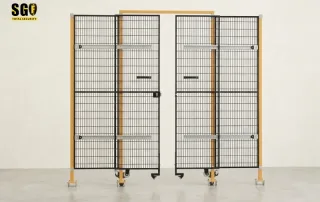
Industrial Perimeter Guarding for Forklift-Heavy Pallet Production Lines | Mdfence
Industrial Perimeter Guarding for forklift-heavy pallet production lines. Mdfence combines Q235 welded framing and 1600J impact resistance to protect automated nailing lines, people, and uptime.
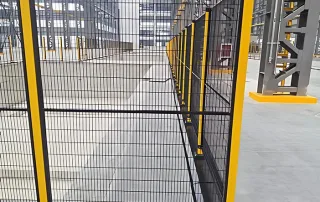
Robot Safety Fencing Systems That Protect Forklift-Heavy Pallet Production
Robot Safety Fencing Systems for pallet lines must survive forklift traffic, not just mark a boundary. Mdfence uses Q235 seamless square tube construction, a fully welded frame, and 1600J impact resistance to protect automation, people, and uptime.
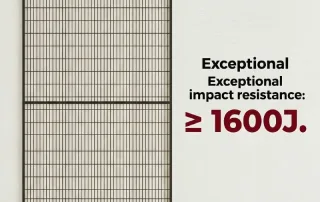
Machine Guarding Fence Panels for Forklift-Heavy Pallet Lines | Mdfence
Machine Guarding Fence Panels for forklift-heavy pallet lines that need real impact resistance, not a painted warning line.
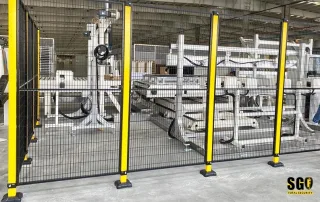
Safety Fence Industrial for Woodworking Lines with a 20x100mm Narrow-Slot Mesh
Safety Fence Industrial for woodworking lines that throw wood chips and broken nails. Learn why a 20x100mm narrow-slot mesh can contain debris, support a 120mm safety distance, and save floor space.
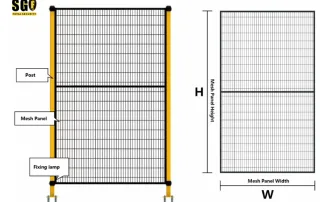
Robot fencing systems for woodworking lines that need a tighter perimeter | Mdfence
Mdfence is a compact machine fencing solution for woodworking lines with flying wood chips and broken nails. Its 20x100mm narrow-slot mesh supports a shorter 120mm safety distance layout, helping plants recover valuable floor area.
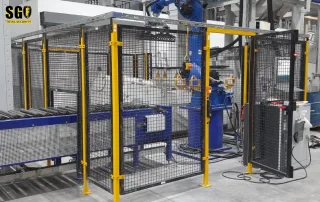
Robot safety fence standards for woodworking lines with 20x100mm narrow-slot mesh | Mdfence
Mdfence uses 20x100mm narrow-slot mesh to contain flying chips and broken nails while helping North American woodworking lines keep a tighter 120mm safety distance.
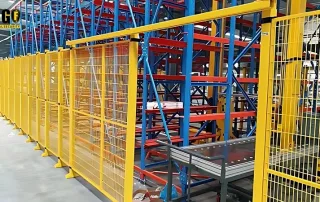
Industrial safety fence panels for pallet nailing and cutting lines | Mdfence
Mdfence uses 20x100mm narrow-slot mesh to contain wood chips and broken nails while supporting a 120mm legal safety distance that protects floor space.
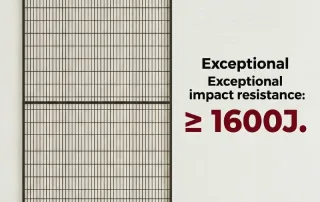
Safety guarding systems for pallet nailing and cutting lines | Mdfence
Mdfence helps pallet nailing and cutting lines intercept flying wood chips and broken nails while allowing a much tighter safety distance, so plants can protect operators without wasting floor space.
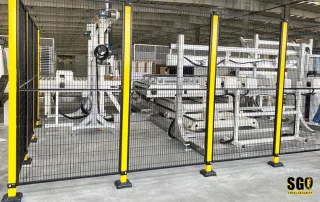
Machine Perimeter Guarding for explosive scrap dismantling retrofits | Mdfence
Machine Perimeter Guarding for explosive scrap dismantling retrofits. Mdfence supports cold-work installation, fast line reconfiguration, and high reuse in fire-sensitive scrap environments.
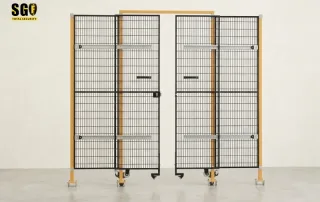
Safety fencing machine guarding for explosive scrap dismantling retrofits | Mdfence
Safety fencing machine guarding for explosive scrap dismantling retrofits that need cold assembly, fast restart, and reusable perimeter assets.

