
 PT
PT  EN
EN  DE
DE  RU
RU  JA
JA  ES
ES  IT
IT 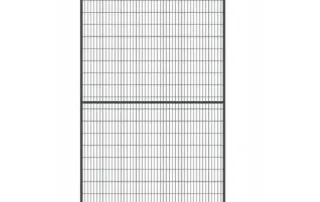
industrial safety fence panels powder coating.
As a system integrator delivering million-dollar turnkey automation solutions, the last thing you need is a failed EHS handover because the perimeter guarding is peeling, rusting, or degrading. In harsh automotive welding cells and CNC machining centers, cheap wet-painted steel simply doesn't survive the constant barrage of synthetic coolants, industrial
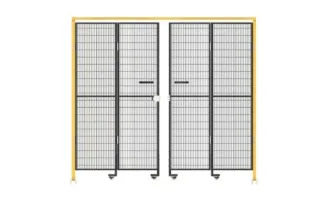
safety guarding systems for automated lines.
Struggling with on-site welding, mismatched safety interlock brackets, and delayed turnkey robotic cell deployments? When integrating high-speed mechanical assembly machines, your physical perimeter must seamlessly connect with your PLC safety logic without slowing down your installation schedule or failing strict automotive EHS audits. Talk With An Expert Safety Guarding Systems
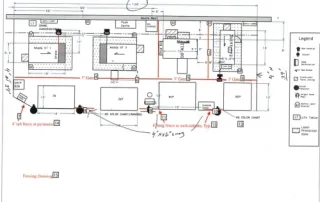
Machine Perimeter Guarding for AGV pathways.
In high-throughput automotive assembly plants, your Automated Guided Vehicles (AGVs) and Autonomous Mobile Robots (AMRs) are only as efficient as the pathways they travel. Unplanned pedestrian encroachment and accidental forklift impacts don't just cause minor delays—they trigger LiDAR safety scanners, initiating cascading E-stops that cripple your line's Overall Equipment Effectiveness
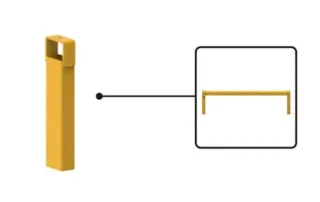
safety fencing machine guarding for palletizers.
End-of-line palletizing cells are high-risk, high-traffic zones where heavy robotic payloads meet constant forklift and AGV activity. A flimsy barrier won't just fail an OSHA audit—it will cost you hours of downtime when a sagging door misaligns a safety switch and triggers a phantom E-stop. You need structural guarding engineered
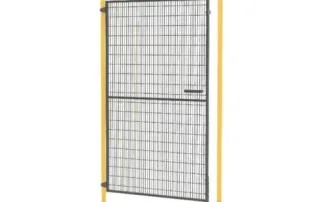
machine guarding safety fence for conveyors.
Integrating conveyor belts into high-speed automotive assembly cells presents a critical engineering bottleneck: standard perimeter guards leave gaping tunnel openings that fail ISO 13857 finger-safe audits. When system integrators resort to on-site hot work to patch these gaps, they destroy powder coatings, introduce rust, and delay commissioning. You need a
safety guarding fence floor anchor types.
When a 5,000 lbs forklift nudges your robot cell perimeter, or a high-speed CNC machining center ejects a heavy workpiece, the difference between a near-miss and a catastrophic 48-hour line shutdown lies entirely in your floor anchors. For system integrators deploying automated production lines, treating anchorage as an afterthought guarantees
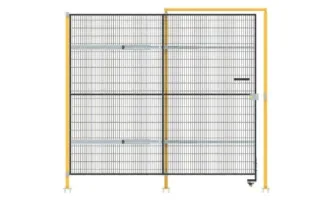
safety fence for machinery layout design.
As a system integrator, your biggest nightmare during commissioning isn't the PLC logic—it's the physical footprint. When designing a high-speed mechanical assembly line or a robotic welding cell, every square inch of the factory floor costs premium rent. Forcing a standard, flimsy wire mesh around your KUKA or FANUC robots
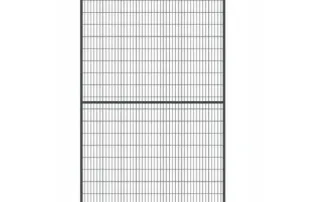
Machine Guarding Systems for CNC lathes.
High-speed CNC lathes and turning centers generate lethal kinetic energy. When a spindle crashes, a carbide tool breaks, or a heavy workpiece is ejected from the chuck jaws at 3,000 RPM, standard chain-link mesh won't stop the shrapnel. Furthermore, splashing synthetic coolants and flying metal swarf create severe slip hazards
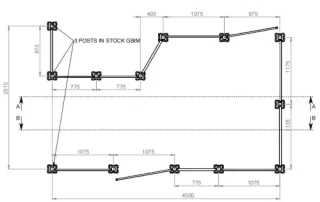
machine guarding fence panels impact rating.
In high-speed mechanical assembly lines and robotic welding stations, a dropped payload or a part ejected from a CNC machining center isn't just a minor hiccup—it's a kinetic energy nightmare. When a 220 lb (100 kg) automotive block flies off a six-axis robot at 12 mph, flimsy frameless wire mesh
guarding fence visibility for operators.
In high-speed automotive assembly and robotics integration, a fraction of a second matters. When operators cannot clearly see inside a robotic work cell due to optical glare from poorly designed barriers, minor tooling jams turn into major downtime. By engineering a two-tone optical barrier, we eliminate the "prison bar" effect,

