PT
PT  EN
EN  DE
DE  RU
RU  JA
JA  ES
ES  IT
IT Cerca de Máquina
Cerca de Máquina para Armazenamento Denso de Sucata e Linhas de Triagem Internas
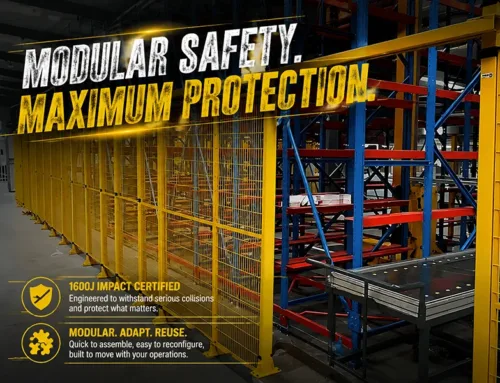
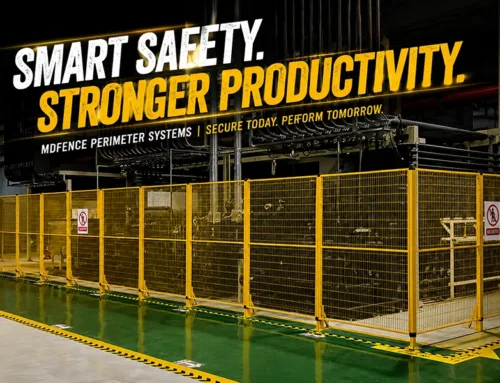
When floor space is expensive and equipment is packed close together, Machine Fence helps metal recycling sites protect people and assets without giving away large safety clearances. With a 20×100 mm precision mesh and a legal separation distance reduced to 120 mm, the layout stays compact while compliance stays intact.

Why Machine Fence fits space-critical recycling plants
In indoor sorting centers and metal recovery halls, the real cost is not only the fence itself. It is every millimeter lost to oversize setbacks, every bay taken out of circulation, and every aisle that becomes too narrow for safe movement. Machine Fence is built for that exact problem: it holds the protection line tight, keeps the clearance under control, and protects valuable operating space across busy sites.
| Requisito | Resposta da cerca da máquina |
|---|---|
| Space-saving compliance | Legal separation distance reduced to 120 mm to preserve valuable floor area. |
| Barrier geometry | 20×100 mm precision mesh supports compact guarding in dense layouts. |
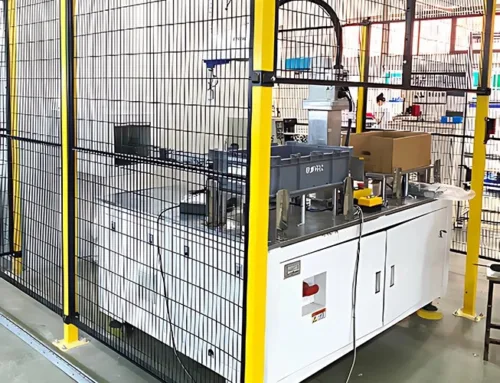
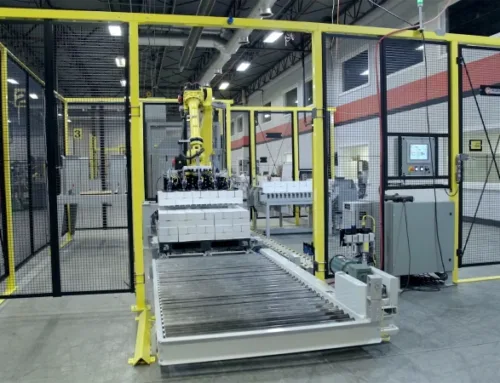
| Plant environment | Suitable for indoor scrap storage, sorting zones, and equipment rows with tight spacing. |
| Implantação multissite | Consistent layout logic scales across a 135-location network without redesigning every bay. |
Engineering details that make the compact layout work
Tight compliance without wasting aisle width
The reason Machine Fence matters in a crowded plant is simple: the safety line cannot keep expanding every time the equipment plan gets denser. The 20×100 mm precision mesh supports a controlled barrier profile, and the 120 mm legal separation distance lets the fence stay close to the machine or storage zone. That combination protects operators while avoiding the expensive dead space created by traditional oversized setbacks.

Designed for dense metal recycling layouts
Metal recycling plants, especially indoor sorting centers, need to stack scrap, move containers, and maintain machine access in the same footprint. Machine Fence fits that environment because the barrier can be placed close enough to protect the work zone without forcing the entire room to be re-planned. It is a practical answer when every bay and every turning radius already matters.

Standardized protection across a large network
AIM’s global footprint shows why a repeatable Machine Fence standard is valuable. Once the compact spacing logic is proven in one site, the same rule set can be applied across a 135-location network, saving space again and again. That is not just a safety upgrade; it is a capacity gain that protects material flow, keeps storage lanes usable, and reduces the need for site-by-site compromises.

Where Machine Fence creates immediate value
- Indoor scrap sorting centers where equipment, bins, and pedestrians compete for the same floor area.
- Metal recycling plants that need a compliant barrier without sacrificing storage bays.
- Dense machine rows where a tighter safety distance is the difference between usable and wasted space.
- Multi-site standardization programs that need one compact guarding concept for many plants.
For operators under pressure to increase throughput inside an expensive footprint, Machine Fence does one job very well: it keeps the safety boundary close, clear, and repeatable. That makes it easier to protect workers, preserve aisle width, and keep material moving in the same hall.
What to specify before you standardize Machine Fence
Start with the equipment footprint, the available aisle width, and the target separation line. Then confirm how much floor area can be recovered when the compliant distance is set at 120 mm instead of a larger conventional setback. With those inputs, Machine Fence can be planned as a repeatable layout package rather than a one-off compromise.
Plan the compact Machine Fence layout now
If your plant is running out of space, the safest answer is not always a bigger setback. In many recycling and sorting environments, the better answer is a tighter engineered barrier that preserves usable area while still meeting the rule. Machine Fence is built for that brief.