PT
PT  EN
EN  DE
DE  RU
RU  JA
JA  ES
ES  IT
IT 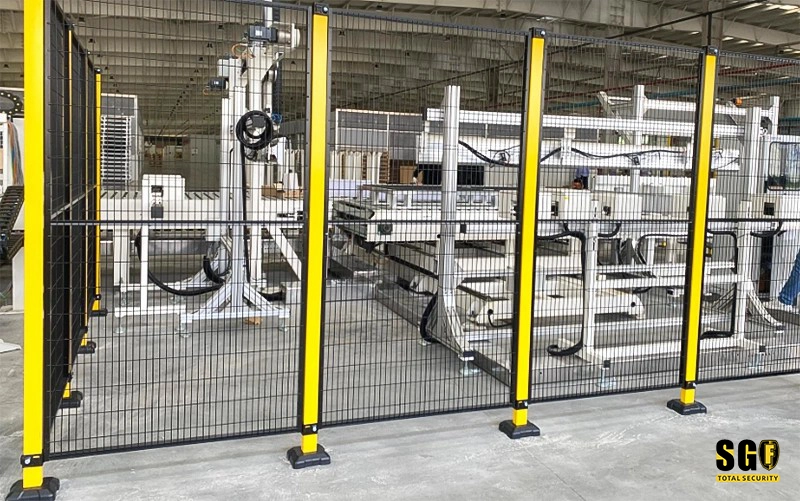
Proteção de Máquinas
Machine safety fencing for ISO 14120 export audits
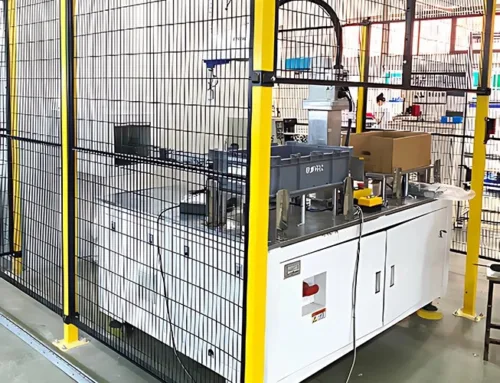
When a production line is being shipped into Europe or North America, the fence is not a decoration layer. It is part of the compliance evidence. Mdfence gives OEMs and system integrators a machine safety fencing system designed to support ISO 14120 physical protection and ISO 13857 safety-distance logic, so the cell can pass EHS scrutiny instead of becoming the reason a whole line is rejected.
Our engineering position is simple: if the guarding can survive impact, keep the safety distance stable, and present a clean installation record, the customer gets a safer handover and less export risk.
What EHS auditors look for first
| Requisito | Why it matters for export projects | Resposta do Mdfence |
|---|---|---|
| ISO 14120 physical protection | The guard must function as a real protective barrier, not a cosmetic partition. | Engineered machine safety fencing built for physical guarding and repeatable inspection. |
| ISO 13857 safety distance | Openings, offsets, and access zones must prevent easy reach into hazardous movement areas. | Layout logic supports compliant safety-distance planning around the cell perimeter. |
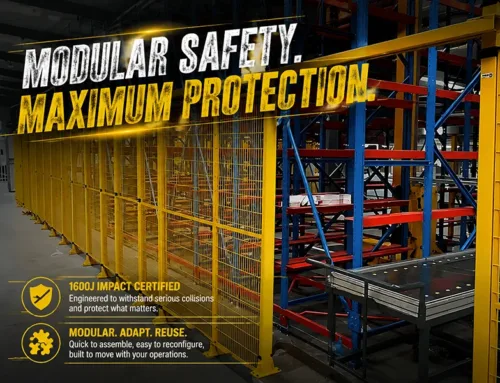
| Resistência ao impacto | A fence that deforms easily can fail audit checks and create liability. | Rated to withstand 1600 J of impact energy, equivalent to stopping a 100 kg object at 20 km/h. |
| Clean export handover | Overseas acceptance teams expect stable structure, clear documentation, and predictable installation. | Forward-engineered guarding package designed to reduce rejection risk at handover. |
Why this product fits the export-risk problem
01. Built for audit pressure, not just machine separation
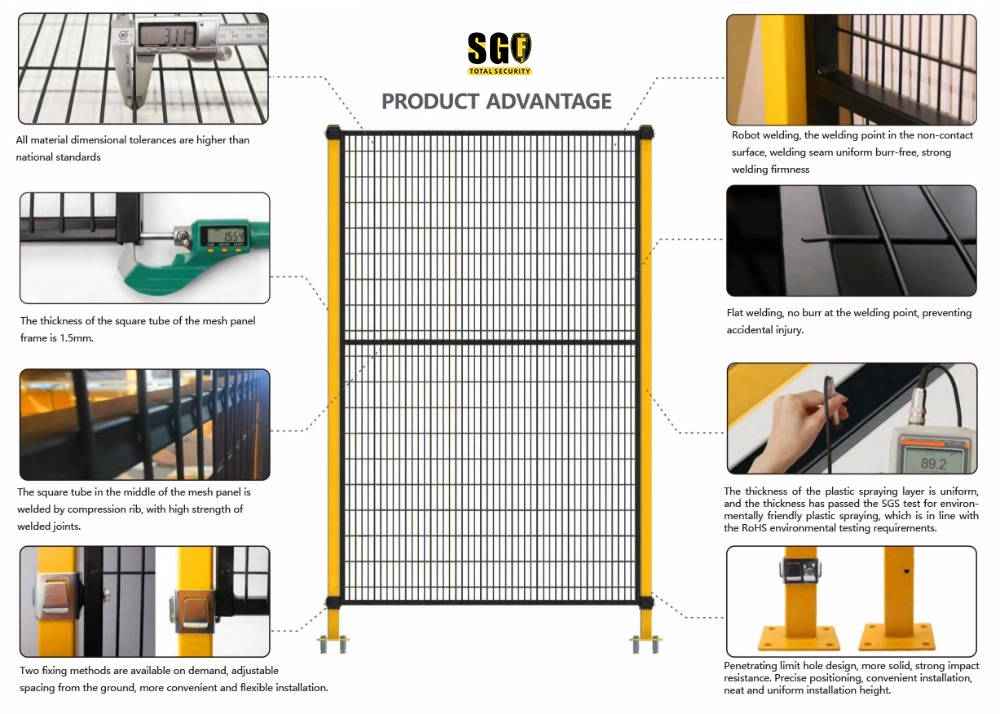
The core issue in export projects is not whether a fence can stand in a workshop. It is whether the entire safety envelope can be defended in front of an EHS auditor, a buyer’s technical team, and the overseas acceptance engineer. Mdfence is positioned as a risk-control engineering system, so the fencing logic supports the compliance story instead of creating gaps in it.
That is why the title problem is not “fencing supply.” It is “how do we keep the line from being blocked at inspection?”
02. Impact resistance becomes legal insurance
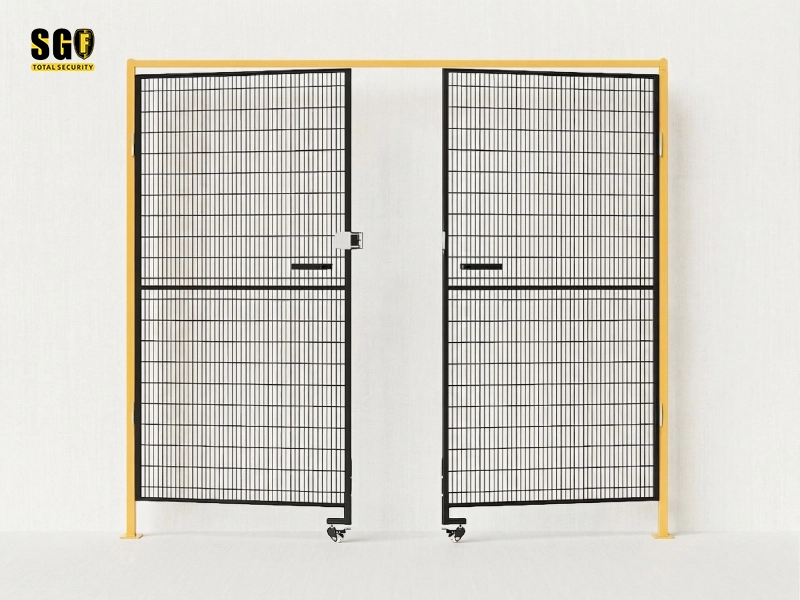
Many low-cost fences can look acceptable in a drawing but fail under real abuse, transport shock, or accidental contact. Once that happens, the customer is not just dealing with repairs. They are dealing with audit delay, corrective action, and possible plant shutdown. Our 1600 J impact capacity matters because it gives buyers a hard engineering number they can take into the compliance file.
In practical terms, that means the fence is prepared for industrial reality: moving carts, unexpected collisions, and the kind of force that turns a weak guard into an export liability.
03. Stable structure makes the safety distance believable
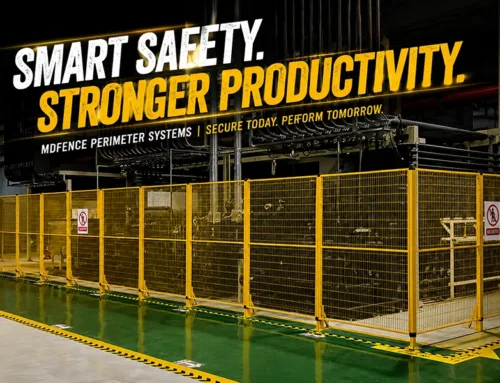
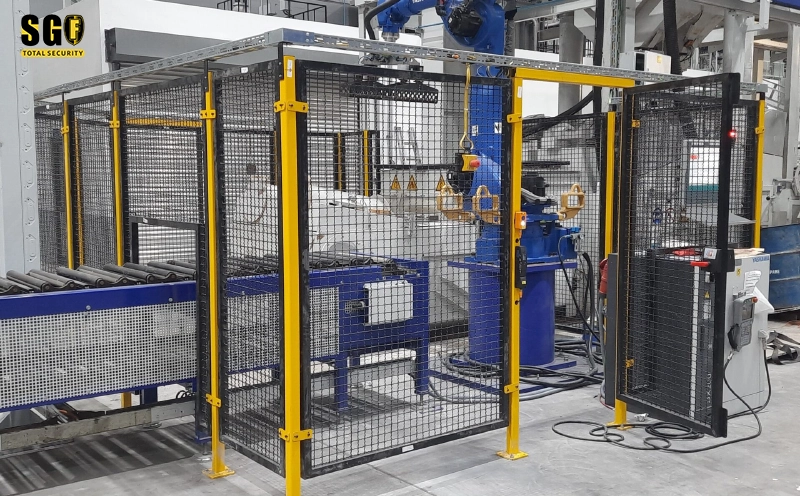
ISO 13857 is not satisfied by intention alone. If the frame shifts, the access gap changes. If the layout is inconsistent, the documented safety distance loses credibility. Mdfence supports a stable perimeter structure so the installed geometry matches the planned geometry.
That stability is what buyers need when they export a line into markets where safety reviewers are strict and documentation is checked against the physical build.
Typical export scenarios
- OEM machine builders preparing equipment for EU or North American handover.
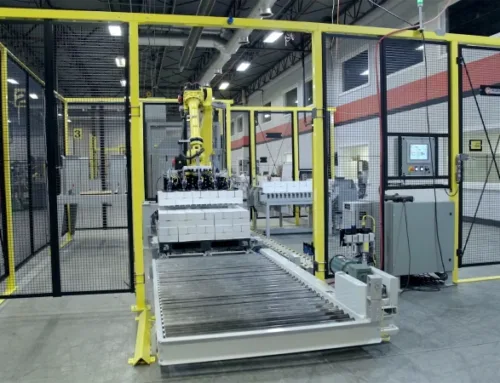
- System integrators managing EHS audit risk on automated cells and conveyor lines.
- Factories replacing low-grade guarding before an export inspection window.
- Projects where a failed safety enclosure would delay shipment, acceptance, or payment.
In these projects, the fence is not a generic enclosure. It is the last physical proof that the machine guarding strategy can stand up to external review.
What to specify before approval
For export projects, the buyer should lock three things early: the required safety standard, the actual machine layout, and the impact or durability expectation. Mdfence is designed around those three decision points so the technical team can move from drawing to installation without reopening the compliance discussion later.
When the system is specified correctly, the result is straightforward: fewer audit surprises, fewer corrective loops, and a cleaner path to overseas acceptance.
Need machine safety fencing that supports export compliance?
If your customer is sending equipment into a strict EHS market, choose guarding that is built to defend the handover, not just the machine.