PT
PT  EN
EN  DE
DE  RU
RU  JA
JA  ES
ES  IT
IT 
Protection Barriers FAQ

Protection barriers are physical or structural barriers that are designed and installed to provide safety and security in various environments. These barriers are typically used to prevent accidents, injuries, or unauthorized access to restricted areas. Here are some frequently asked questions about protection barriers.
1. What are protection barriers?
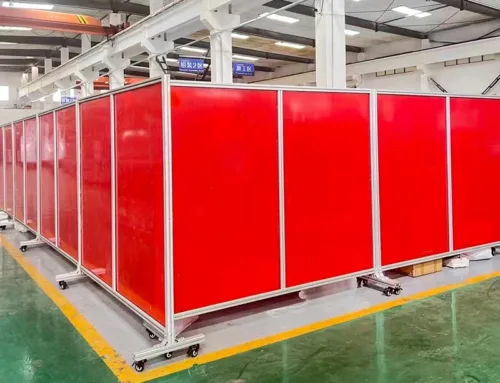
Protection barriers are physical or structural barriers designed to provide safety and security in various environments. They can be made of different materials such as steel, concrete, or plastic, and come in various sizes, shapes, and styles depending on their intended use.
2. What types of protection barriers are there?
There are various types of protection barriers, including but not limited to:
Crash barriers: designed to prevent vehicles from crashing into pedestrians or buildings
Security barriers: designed to prevent unauthorized access to restricted areas
Safety barriers: designed to prevent accidents or injuries in workplaces
Noise barriers: designed to reduce noise pollution in highways and residential areas
Flood barriers: designed to prevent flooding in high-risk areas
Fire barriers: designed to prevent the spread of fire in buildings
Blast barriers: designed to protect buildings and people from explosions
3. What are the benefits of protection barriers?
Protection barriers offer several benefits, including:
Improved safety and security in various environments
Prevention of accidents and injuries
Reduction of property damage
Compliance with safety regulations and standards
Increased property value
Improved aesthetics in some cases
4. How do I choose the right protection barrier?
Choosing the right protection barrier depends on several factors such as the environment, the intended use, and the level of protection needed. Some key considerations when choosing protection barriers include:
The environment: indoor or outdoor, rural or urban, high-risk or low-risk area
The intended use: crash prevention, security, safety, noise reduction, flood prevention, fire protection, or blast protection
The level of protection needed: low, medium, or high
5. How are protection barriers installed?
Protection barriers are typically installed by professionals who have experience and expertise in the installation process. The installation process involves several steps, including:
Site survey and assessment
Design and planning
Preparation of the site
Installation of the barrier
Testing and certification
6. How do I maintain my protection barriers?
Regular maintenance is essential for ensuring the effectiveness and longevity of protection barriers. Maintenance tasks may include regular inspections, cleaning, repairs, and replacements as needed. It is important to follow the manufacturer’s recommendations for maintenance and to schedule regular inspections by a professional.
In conclusion, protection barriers are an important aspect of safety and security in various environments. Understanding the different types of protection barriers and how to choose and maintain them can help ensure the safety and security of people and property.
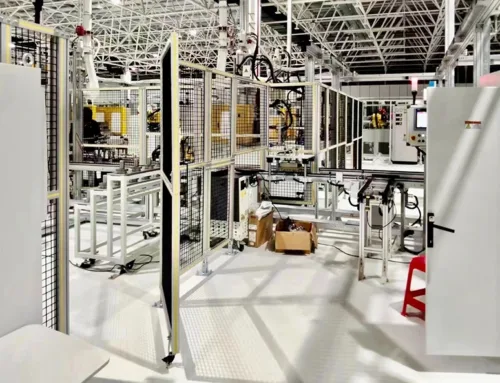
Cerca de isolamento de equipamentos para células de carga de robôs: Alfence interrompe paradas indesejadas
Para células de carregamento de robôs, a cerca de isolamento de equipamentos Alfence mantém sensores, intertravamentos e rotas de cabos fora dos postes de aço pintados, para que o CLP não desarme com sinais falsos de porta.
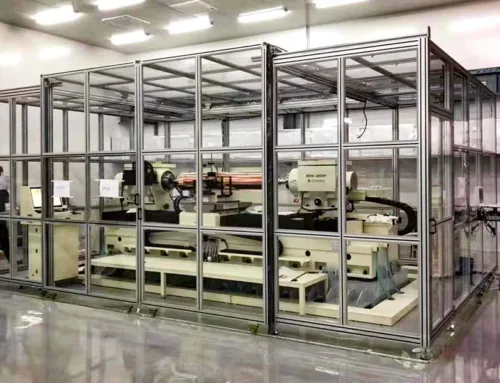
Cercamento de proteção de máquinas para linhas higiênicas de alimentos e farmacêuticas | Alfence
A cerca de proteção de máquinas Alfence usa construção de cerca de segurança com perfis de alumínio e proteção anticorrosiva com pintura em pó para suportar layouts higiênicos em alimentos, bebidas, farmacêuticos e salas limpas.
Cercas de Proteção de Máquinas para Plantas Higiênicas de Alimentos, Bebidas e Farmacêuticas | Alfence
A cerca de proteção de máquinas Alfence usa perfis de alumínio e pintura em pó para proteger linhas sensíveis à higiene com uma barreira mais limpa e mais fácil de manter.