PT
PT  EN
EN  DE
DE  RU
RU  JA
JA  ES
ES  IT
IT Machine Fencing for tight automation cells
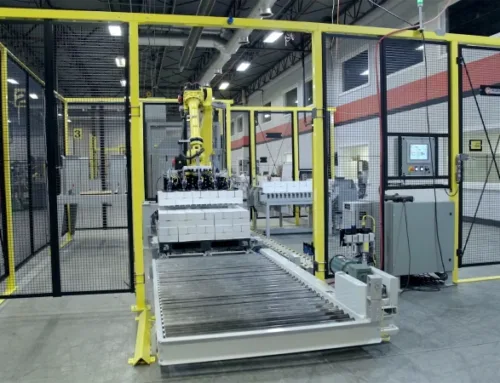
Robot Safety Fence gives automation builders a compact guarding option for cells where every millimeter matters. By moving from a 50×50 mm conventional mesh to a 20×100 mm extreme anti-intrusion mesh, Mdfence helps integrators place the fence much closer to the robot hazard zone and protect valuable plant floor space.
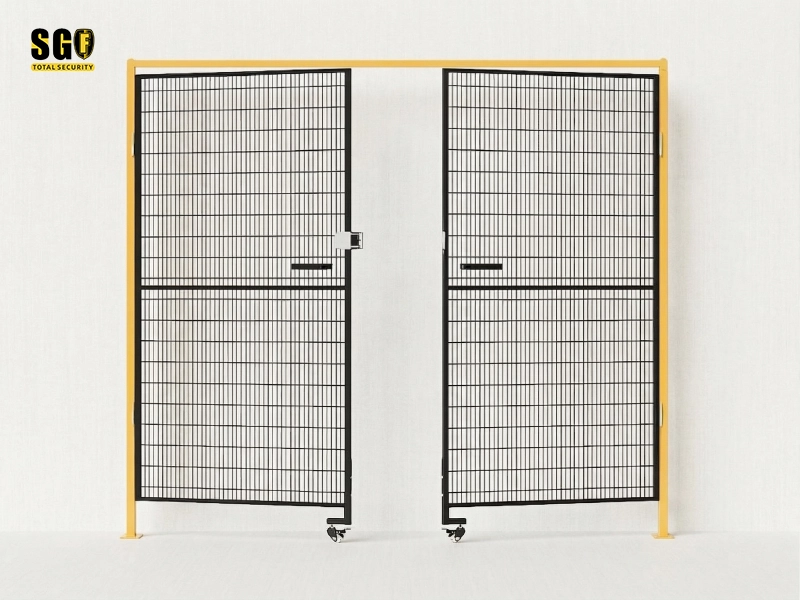
When a guarded robot cell expands too far into the aisle, the real cost is not just steel and posts. It is the lost forklift lane, the blocked maintenance path, and the production area the end user can no longer sell by the square meter.
Why compact machine cells need a different guarding layout
Many factories still specify a standard guard fence first and only ask about footprint later. That sequence often creates the biggest cost problem in the project. A common 50×50 mm fence layout, when paired with the usual safety setback logic, can push the barrier far away from the robot hazard source. In a crowded workshop, that extra offset can consume aisle width, squeeze material flow, and reduce the usable production footprint around every cell.
For a machine builder or automation integrator, the issue is straightforward: the customer does not only buy a guarded robot cell. They buy a layout that must fit inside an expensive building. That is why a compact Robot Safety Fence is not a cosmetic upgrade. It is a layout decision that directly affects the final commercial value of the line.
| Layout factor | Conventional approach | Mdfence approach |
|---|---|---|
| Abertura da malha | 50×50 mm standard mesh | 20×100 mm extreme anti-intrusion mesh |
| Guarding distance | Often forced back to about 850 mm | Can be installed as close as 120 mm in the applicable guarding layout |
| Factory space impact | Consumes aisle and working space | Leaves a tighter footprint and more usable floor area |
What makes the Mdfence structure fit this problem
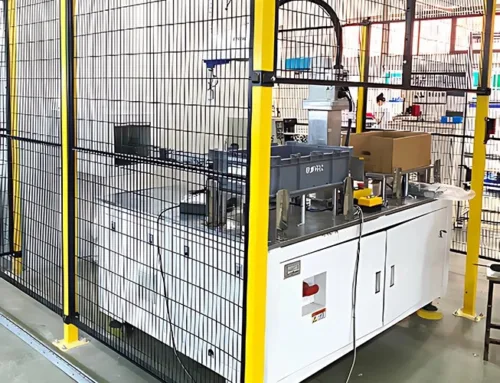
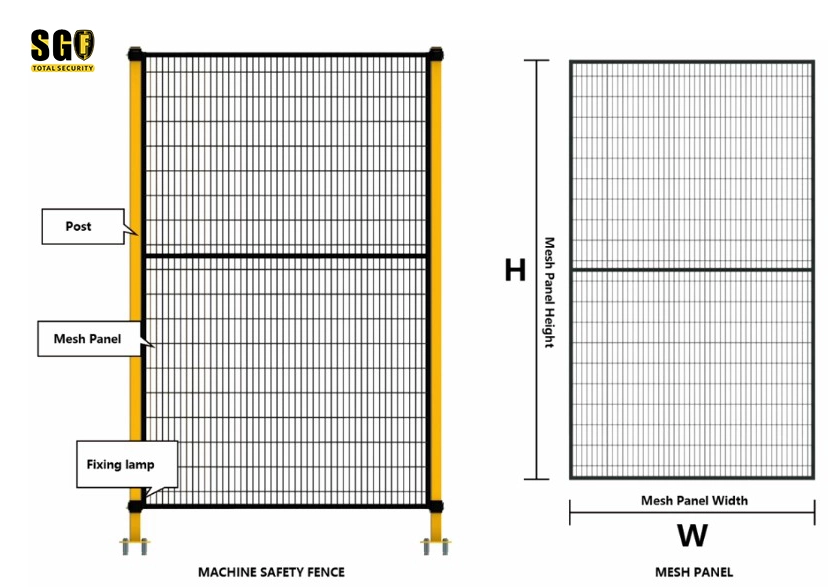
The key is the micro-aperture mesh. The 20×100 mm opening is designed for machine guarding scenarios where the goal is to keep the barrier compact without losing the physical barrier effect needed around a robot cell. The tighter layout helps the fence sit close to the hazard source, which is exactly what integrators need when they are trying to preserve internal logistics routes and keep the final cell compact.
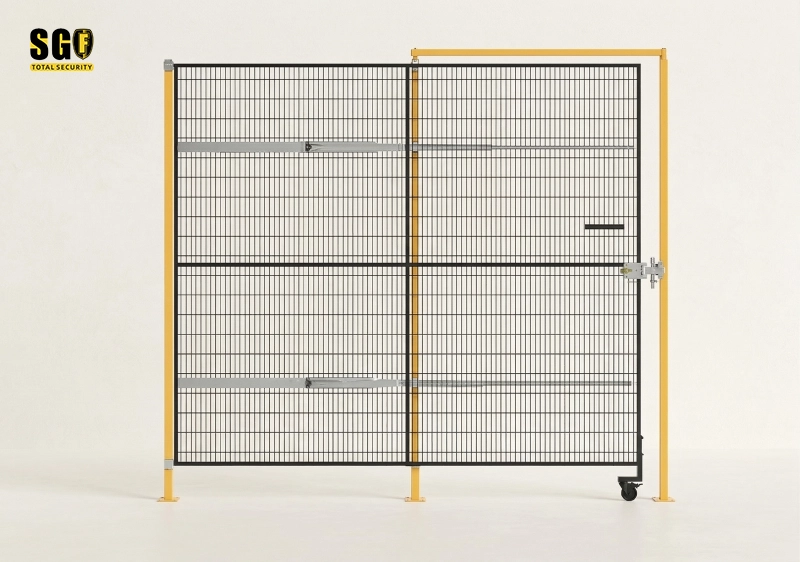
In practice, that means fewer unnecessary detours for forklifts, less dead space around the cell, and a cleaner handoff to the end customer. For a project sold into a high-cost plant, saving even a few square meters per line can become a meaningful business advantage across the full equipment rollout.
Evidence from structure and layout
The value of this Robot Safety Fence is not abstract. It comes from the combination of a compact mesh geometry, a close-install guarding strategy, and a layout that is engineered to stay aligned with the robot danger zone instead of wasting space around it.
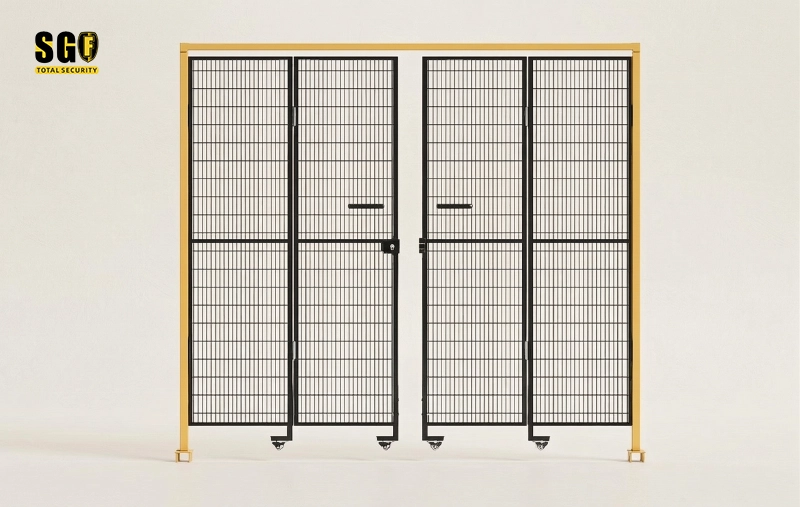
When the fence can be placed near the hazard zone, the machine builder can present a more compact automation unit to the end user. That compactness matters because it improves line planning, reduces the pressure on internal transport lanes, and makes the project easier to position against competing solutions that occupy too much factory area.
Where this guarding approach is strongest
- Robot cells inside crowded manufacturing buildings where aisle width is already limited.
- Automation projects that must protect expensive production area without expanding the plant envelope.
- Integrator packages that need to look compact, professional, and easy to deploy at the end customer site.
In these scenarios, the Mdfence Robot Safety Fence supports the business case as much as the safety case. It helps the machine builder deliver a tighter system, reduces the visible footprint of the cell, and turns saved floor space into a real selling point for the end customer.
Download the compact layout note
Robot Safety Fence layout note: 20×100 mm micro mesh, close-install guarding strategy, and a compact footprint designed for tight automation cells where factory area is expensive.
Need a tighter robot cell layout?
Talk to Mdfence if you need a Robot Safety Fence that helps you protect the hazard zone while preserving usable factory space, forklift access, and the commercial value of the final automation unit.