PT
PT  EN
EN  DE
DE  RU
RU  JA
JA  ES
ES  IT
IT Cercas Mecanizadas
Cerca de segurança para máquinas
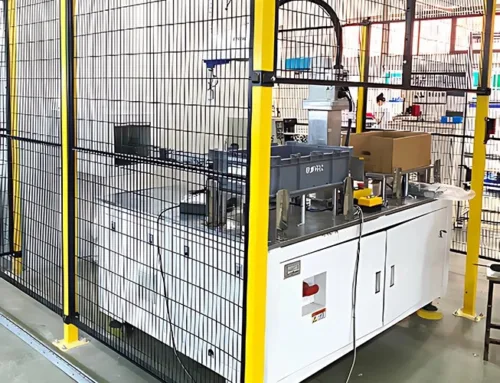
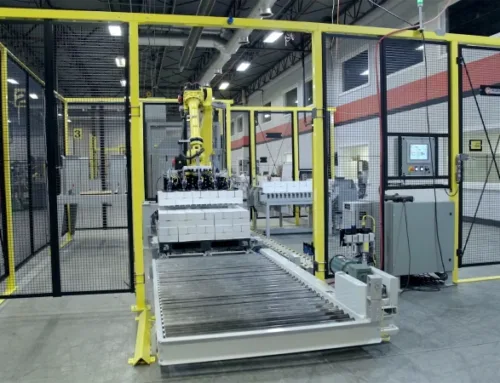
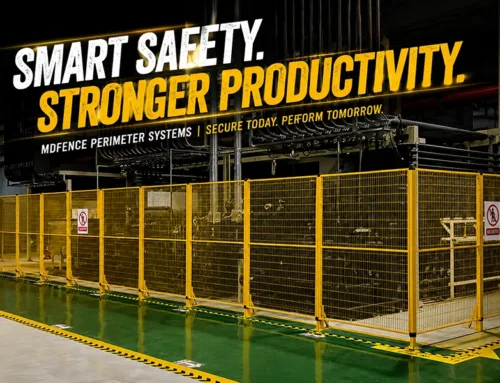
safety fence for machinery for AGV lanes, forklift loading zones, and machine edges where a small impact can trigger a full-line stop. Mdfence is built to keep the gate geometry stable, the panel closed, and the cell running.

safety fence for machinery: impact resistance that keeps logistics cells online
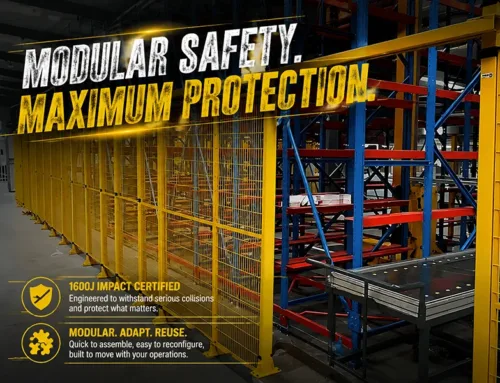
In high-frequency logistics, the real problem is not only impact. It is the chain reaction that follows a minor collision: a mesh panel shifts, a post bends, a safety gate fails to close, and the automation system throws a global stop alarm. Mdfence is designed for that exact failure mode. The frame uses Q235 carbon structural steel, 60×60 mm thick square posts, and 20x30x1.5 mm rectangular tubular panel frames. Every contact point is flat and fully welded so the structure stays square after repeated knocks instead of loosening at the joints.
| Logistics-cell problem | Resposta do Mdfence |
|---|---|
| AGV routes and forklift unloading areas are exposed to accidental scrapes. | Thick 60×60 mm posts and a welded tubular frame give the fence a much higher bending stiffness than frameless mesh. |
| Cheap frameless wire mesh can detach after a light hit and jam the gate. | The panel is framed in 20x30x1.5 mm tube and fully welded at every contact point, so the panel edge stays controlled and the gate remains closable. |
| Minor impact turns into a line-wide safety shutdown. | The system is engineered to deform plastically under overload, absorb energy, and avoid sudden fracture or disassembly. |
| Frequent maintenance and unplanned downtime raise operating cost. | Stable structure means fewer emergency repairs, fewer gate adjustments, and less time lost after a collision. |
safety fence for machinery: the structure behind the result
1) Posts that stay upright under impact
The first failure point in a logistics perimeter is usually the post. Mdfence uses 60×60 mm thick square posts in Q235 carbon structural steel, which gives the line a strong base against side load from carts, pallets, and forklifts. Instead of collapsing suddenly, the frame can absorb abuse while keeping the barrier aligned enough for the gate to close.

2) Fully welded panel edges that do not loosen
The panel edge is where low-cost frameless mesh usually fails. Mdfence uses a 20x30x1.5 mm rectangular tube frame and flat full welds at every contact point, so the mesh unit behaves as one rigid element instead of a loose assembly. That matters when a gate has to close cleanly after repeated vibration and accidental contact.

3) Installation details that support repeatable deployment
The fence is only as reliable as its anchoring and spacing. The installation sequence shown in the image set makes the base plate, drilling, and expansion bolt process clear, which helps keep every run of fence square during handover. That consistency reduces adjustment work later and helps protect the automation cell from a misaligned safety boundary.

Where this safety fence for machinery fits best
- AGV path edges where a small scrape can stop a line
- Forklift loading and unloading areas with frequent side contact
- Machine cells that must stay closed after impact, not only before it
- Transfer points where a bent panel could block a safety interlock
- Factories that want lower maintenance frequency after commissioning
For these environments, the point is not just to block access. It is to keep the perimeter usable after real-world abuse. By combining Q235 steel, 60×60 mm posts, a welded 20x30x1.5 mm frame, and controlled plastic deformation under overload, Mdfence helps the gate keep working instead of turning a small accident into a full production stop.
O que Especificar Antes de Comprar
Before you choose a safety fence for machinery, confirm the impact risk, gate location, aisle width, and whether the perimeter must survive forklift contact or only pedestrian contact. If the answer includes AGV routes, loading bays, or any area where a closure failure would shut down automation, the structure details matter. Mdfence answers that requirement with thick posts, a welded framed panel, and a design that absorbs overload energy instead of breaking apart.
Talk to SGF about safety fence for machinery
If your current fence turns light impact into a shutdown event, the structure is the problem. Ask for a Mdfence layout and specify the impact zone, gate count, and aisle geometry so the perimeter is built for the way the line really runs.