
 RU
RU  EN
EN  DE
DE  PT
PT  JA
JA  ES
ES  IT
IT 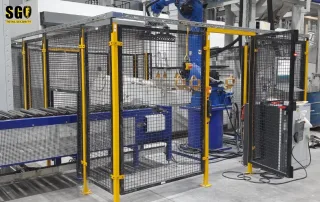
Роботизированная защитная ячейка Mdfence для блокировок Omron и Pizzato: заводская геометрия двери, обеспечивающая стабильность сигналов STO.
Mdfence robot cell guarding helps automation integrators avoid nuisance stops from misaligned Omron or Pizzato interlocks by combining framed doors, support casters, and pre-engineered switch mounting geometry.
Mdfence Interlock Safety Gate for Omron and Pizzato Switches: How Stable Door Geometry Prevents Nuisance Stops
Mdfence helps automation builders integrate Omron and Pizzato interlocks with pre-engineered mounting logic, framed mesh stability, and gate geometry that reduces nuisance stops on robot cells and conveyor lines.
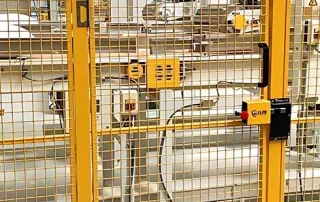
Система ограждений Mdfence для блокировок Omron и Pizzato: предотвращение ложных остановок из-за ошибок при полевом сверлении
Mdfence machine guarding system helps automation builders integrate Omron and Pizzato safety interlocks with stable door alignment, fewer field drilling errors, and lower nuisance downtime in compact robotic cells.
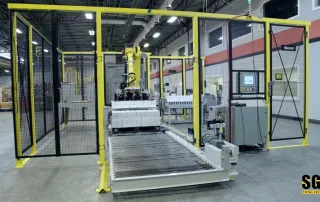
Mdfence Industrial Safety Fencing for Tight Automation Layouts: Recover Floor Space with 120 mm Safety Distance Logic
Mdfence industrial safety fencing helps tight robot and conveyor layouts recover floor space by using a 20x100 mm mesh concept that supports much closer safety distances than coarse mesh alternatives.
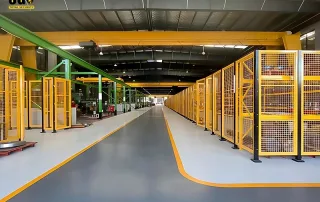
Ограждение Mdfence для узких автоматизированных площадок: сокращение зон безопасности и защита производительности.
Mdfence machine guard fencing helps automation builders recover factory floor area by using a 20x100 mm finger-safe mesh strategy that supports much tighter fence placement than ordinary large-mesh systems in space-constrained robot and conveyor layouts.
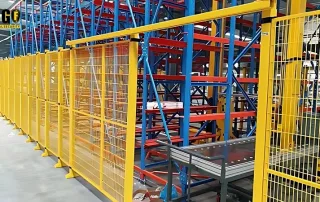
Mdfence Robot Safety Fencing for Space-Constrained Plants: Recover Floor Area Without Oversized Safety Offsets
Mdfence robot safety fencing helps compact robot cells and automation lines recover floor area, protect narrow aisles, and reduce factory space cost with a close-in machine guard layout.
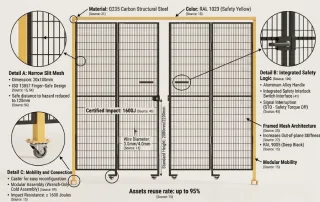
Compact Robot Cell Layouts: How Mdfence Machine Safety Fencing Cuts Factory Space Cost
High factory floor cost and tight internal space make fence selection a layout decision. This article explains how Mdfence machine safety fencing helps compact robot cells and conveyor lines save usable square meters.
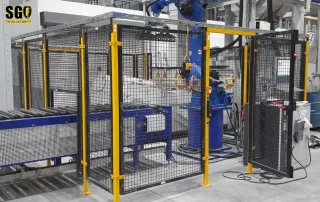
Как интеграторы комплексной автоматизации снижают риски аудитов EHS в ЕС и США с помощью защитных ограждений Mdfence
How Mdfence helps turnkey automation integrators reduce EU and US EHS audit risk with framed machine guarding, 20x100 mm mesh, interlock-ready gates, and impact resistance up to 1600 J.
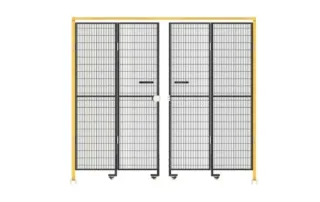
3A Hygienic Mdfence Safety Fencing For Food & Beverage Manufacturing Facilities
Your food & beverage production facility is audited annually for 3A/GMP hygiene compliance, and standard safety fencing with hard-to-clean gaps and crevices can cause you to fail critical health inspections. Don't let low-quality guarding solutions become a source of cross-contamination and food safety risk in your production lines. Get A
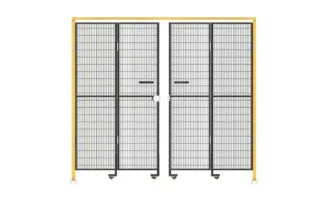
Коррозионно-стойкое защитное ограждение Mdfence для автомобильных покрасочных цехов
Your automotive paint shop spends 20+ hours every week cleaning paint overspray from your safety fencing, and standard coating degradation from cleaning chemicals requires you to replace entire fence sections every 3-4 years. Don't let low-quality guarding solutions become a constant maintenance burden in your paint shop. Get A Paint

