RU
RU  EN
EN  DE
DE  PT
PT  JA
JA  ES
ES  IT
IT
 |
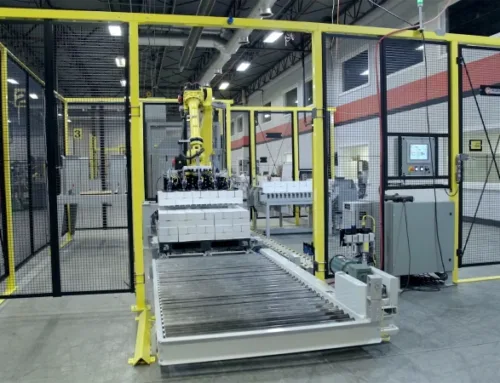
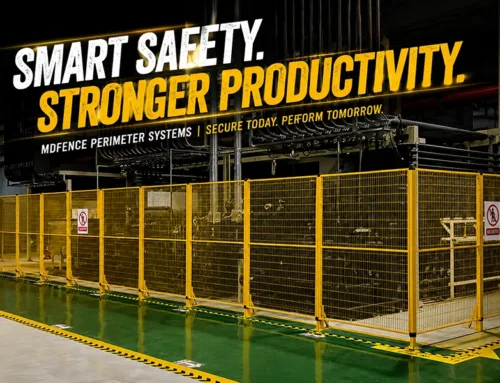
In the high-stakes world of готовые решения, System Integrators face a constant battle: syncing mechanical assembly with electrical commissioning. You are integrating high-speed промышленные роботы and complex ПЛК systems into a seamless автоматизированная производственная линия. Yet, the final sign-off often stalls at the physical barrier. Why? Because traditional fencing is treated as a raw material commodity rather than an engineered component. It is time to rethink the role of the Промышленные защитные ограждения system—not just as a perimeter, but as a critical integration interface that protects your timeline and your reputation within system integrator networks. |
The “Field Modification” Trap: Why Modular Design Beats Welding
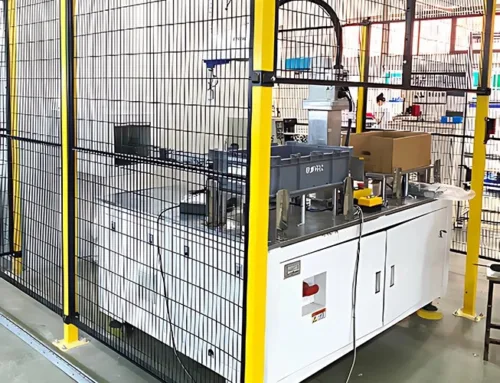
For a project manager overseeing a complex интеграция робототехники, the phrase “hot work permit” is a red flag. It implies delay. Traditional fencing often arrives as raw manufacturing materials requiring on-site fabrication to fit the final layout. When a column is off by an inch due to a floor unevenness, your team is forced to cut and weld on-site, introducing metal dust into a clean автоматизированная производственная линия environment.
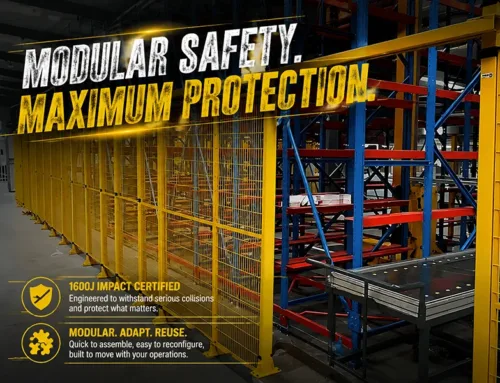
The solution lies in a pre-engineered, modular architecture. Utilizing high-grade углеродистая сталь Q235 with a flat welding process ensures structural rigidity without the permanence of site-welded fixtures. A truly modular system allows for granular adjustability—accommodating those inevitable layout discrepancies without a spark ever being struck. This shifts your workflow from “construction” to “assembly,” directly impacting your ability to meet the tight delivery windows demanded by the ассоциация автомобильной промышленности standards.
Bridging the Mechanical-Electrical Divide
The most friction in a turnkey solution project often occurs at the interface between the mechanical barrier and the electrical safety loop. Your mechanical team erects the fence, but your controls engineers are left struggling to mount sensitive предохранительные блокировки onto bare posts.

Integrated locking solutions for seamless safety logic.
The Interlock Carrier: A Small Component with Huge Impact
An Промышленные защитные ограждения system must speak the language of your контрольное оборудование. By utilizing a dedicated “Interlock Carrier” system, the fence becomes plug-and-play compatible with major safety switches from brands like Omron or Pizzato. This eliminates the need for your highly paid electrical engineers to perform manual drilling and tapping on painted steel. They simply mount the switch to the pre-engineered bracket, connect to the ПЛК, and the safety logic is verified. This seamless integration transforms the fence from a passive barrier into an active component of the защитные ограждения для роботов circuit.
Compliance is a Deliverable, Not an Afterthought
When you hand over a project to a manufacturer, you are transferring liability. The client is not just buying a machine; they are buying an insured, compliant asset. Using generic fencing materials puts the burden of compliance validation entirely on your engineering team.
A specialized промышленные защитные ограждения system comes with a pedigree of compliance—TUV certification and adherence to ISO 14120 standards. This documentation becomes part of your handover package. It assures your client that the защитные ограждения для роботов has been tested against high-impact collisions, far exceeding the protection offered by standard wire mesh. In the eyes of your customer, this elevates your entire system proposal from a collection of parts to a verified, risk-free investment.
Часто задаваемые вопросы
1. How does modular fencing handle uneven factory floors?
Our system utilizes adjustable fixing rings and base plates that allow for vertical tolerance. This means panels can be leveled perfectly even if the concrete floor has undulations, without the need for shims or cutting.
2. Is the system compatible with our specific safety switches?
Yes. We offer specialized mounting kits (Interlock Carriers) designed for major safety switch brands. This ensures mechanical alignment and easy electrical integration without field modification.
3. Can the fencing withstand high-velocity robot impacts?
Absolutely. The system is engineered with Q235 carbon steel and framed panels, specifically tested and TUV certified to withstand high-energy impacts common in robotic cells.
4. Do you offer design support for our CAD layouts?
We act as an extension of your engineering team. Send us your floor plan or CAD layout, and we generate a precise Bill of Materials and panel configuration to match your specific автоматизированная производственная линия footprint.
5. What is the lead time for a custom configuration?
Thanks to our modular inventory strategy, even “custom” layouts are largely assembled from standard components. This allows us to align with the aggressive schedules typical of готовые решения проекты.