RU
RU  EN
EN  DE
DE  PT
PT  JA
JA  ES
ES  IT
IT 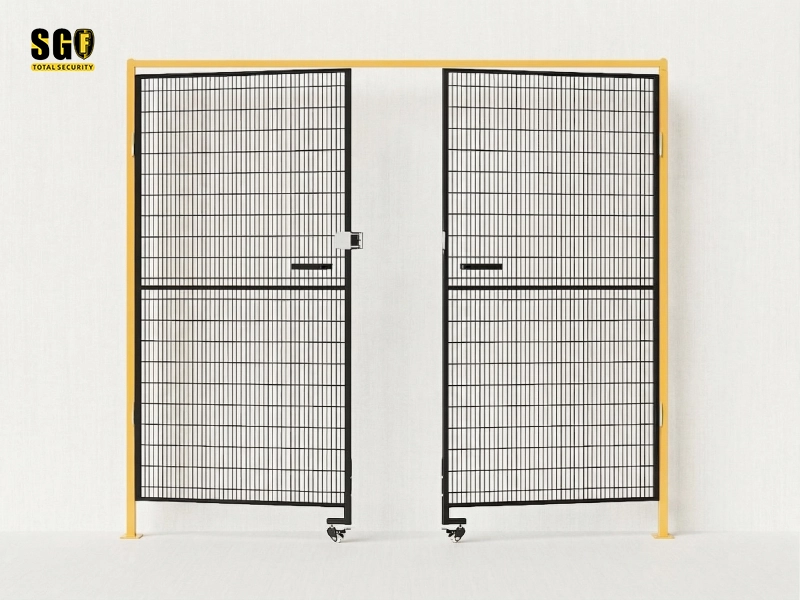
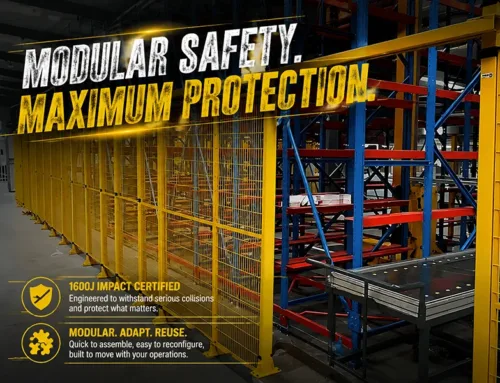
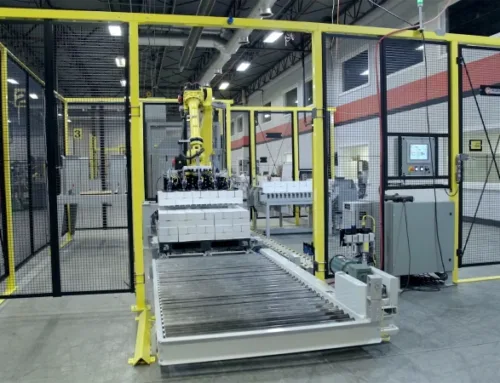
If your robot cell, conveyor line, or palletizer keeps changing, the expensive part is not the fence panels. It is the field welding, bracket rework, and gate alignment work that follows every layout tweak. Mdfence is built for that problem: a modular steel machine-guard fencing system that can be assembled cold, reconfigured with standard hardware, and adapted to hinged, sliding, folding, double, or telescopic access points.
Why modular safety fencing wins when automation lines change every quarter
On paper, many guarding systems look similar. In practice, plants do not struggle because they lack mesh. They struggle because the guarding cannot keep up with the line. When an automation cell grows, a conveyor route shifts, or a maintenance opening moves, welded barriers become a liability. They create hot-work risk, slow the shutdown, and leave you with a fence that is hard to reuse.
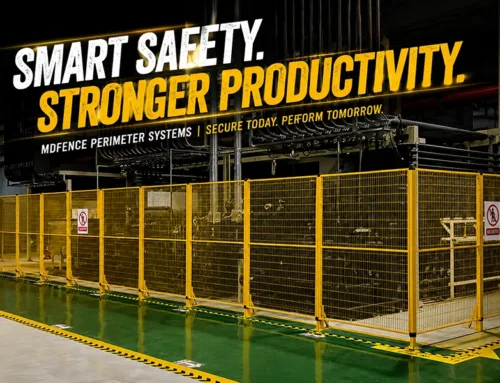
Mdfence takes the opposite approach. The system is built around Q235 carbon steel framed panels, modular clamp-based assembly, and access solutions that can be planned before installation starts. That means the fence behaves like a machine safety interface, not a permanent obstacle. The result is cleaner retrofit work, faster layout changes, and less time spent rebuilding the same perimeter twice.
Three reasons modular guarding keeps retrofit projects moving
- Cold assembly, not hot work: The fence is designed for on-site assembly without welding. That helps maintenance teams avoid fire permits, sparks near equipment, and the finish problems that come with field fabrication.
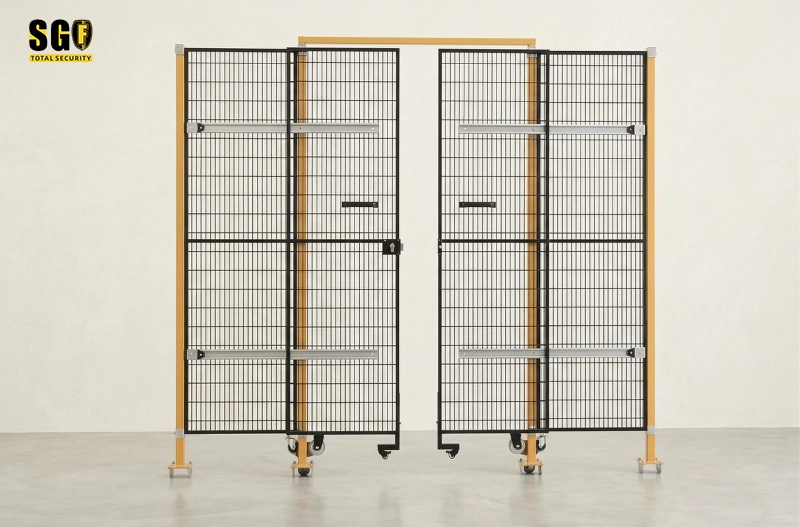
- Gate geometry stays predictable: Mdfence supports hinged, sliding, folding, double, and telescopic gate formats, so the access point can match the opening width and service pattern instead of forcing a one-size-fits-all door.
- Reconfiguration does not waste assets: When a line changes, reusable panels and standard hardware make it possible to move sections, add openings, or extend the perimeter without scrapping the entire guarding package.
What buyers should check before they commit
If you are comparing modular fencing options, the checklist should not stop at panel size. The real question is whether the system fits the way the line actually runs.
| What to check | Что предоставляет Mdfence |
| Can the system be installed without welding? | Yes. The modular assembly approach is meant for cold installation and fast retrofit work. |
| Will the perimeter still work after a layout change? | Yes. Reusable framed panels, standard posts, and gate modules make later reconfiguration practical. |
| Can the access opening match the process? | Yes. Hinged, sliding, folding, double, and telescopic gate options help fit narrow service paths or wide maintenance openings. |
| Does the fence support compact safety planning? | Yes. The core mesh logic uses 20×100 mm openings, with common post sizes and project heights that support tight machine layouts. |
| Is the hardware built for industrial use? | Yes. The system uses Q235 carbon steel, framed mesh panels, powder-coated finishes, and standard anchoring hardware such as expansion bolts. |
Часто задаваемые вопросы
Can Mdfence panels be reused when the line moves?
Yes. That is one of the main reasons to choose a modular system. Panels and posts can be removed, repositioned, and reused instead of being cut out and discarded.
What kind of opening works best for maintenance access?
It depends on the service path. A hinged door is simple for smaller openings, while sliding, double, folding, or telescopic gates are better when the opening is wide or floor space is tight.
Does the fence only work around robot cells?
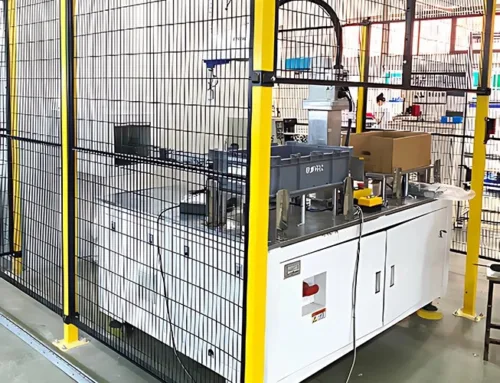
No. It is also used around conveyors, palletizers, ASRS zones, machine-tool areas, and controlled maintenance access points.
How does this help a safety review?
The framed mesh layout, access control logic, and compact guarding approach help teams align the perimeter with ISO 14120 and ISO 13857 style safety planning instead of improvising on site.
What makes it better than a welded barrier?
A welded barrier is permanent. Mdfence is built for change, so the plant can protect the process now and still adapt when the process changes later.
When your automation line changes, the guarding system should change with it. That is the difference between buying a fence and buying a reusable safety platform.