RU
RU  EN
EN  DE
DE  PT
PT  JA
JA  ES
ES  IT
IT Промышленная автоматизация безопасности
Безопасность промышленной автоматизации для экспортных машинных ячеек с Mdfence, сертифицированным TUV
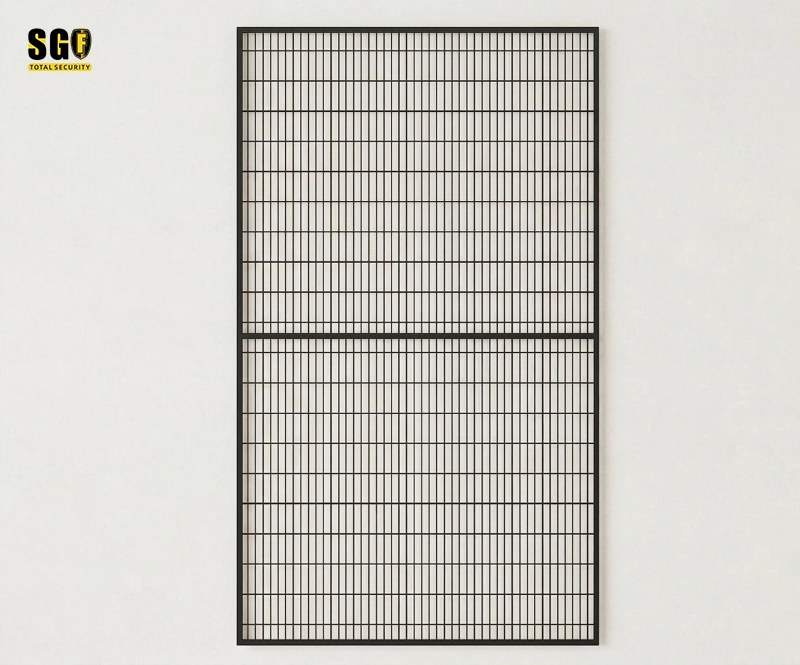
Когда ваш клиент продает продукцию в Великобританию, страны Северной Европы или на другие строгие рынки с требованиями CE и ISO, ограждение на странице каталога должно выдерживать такую же проверку, как и сама машина. Mdfence дает AJ простую фразу для использования в презентации: протестировано TUV на 1600 джоулей, с антипроникновенной сеткой 20x100 мм, которая позволяет устанавливать ограждение на расстоянии до 120 мм от опасной зоны.
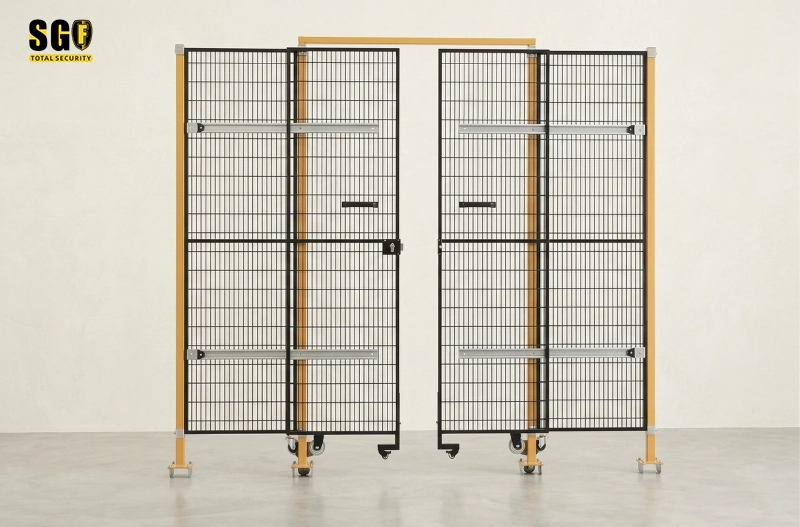
Что нужно AJ, когда клиент из стеллажного бизнеса продает продукцию на строгие рынки безопасности
Проблема не только в защите машины. Она в том, чтобы уберечь клиента от неприятностей, когда конечный пользователь требует доказательства, аудитор спрашивает о расстоянии, а вилочный погрузчик или летящая деталь испытывают ограждение раньше, чем кто-либо ожидает. Световой барьер выглядит хорошо в смете. Он выглядит слабым после первого удара.
| Укажите в коммерческом предложении | Факт Mdfence |
|---|---|
| Прочность при ударе | Протестировано TUV на 1600 джоулей, с указанием сопротивления для объекта весом 100 кг на скорости 20 км/ч. |
| Безопасный доступ рядом с опасной зоной | Антипроникновенная сетка 20x100 мм позволяет устанавливать ограждение на расстоянии 120 мм от опасной зоны. |
| Аргумент для продаж на экспортных рынках | Создано для случаев промышленной автоматизации безопасности, где клиенту требуется высококачественное тяжелое ограждение, а не тонкий разделитель. |
Почему Mdfence подходит для экспортного канала
Доказательство, за которым стоит каталог
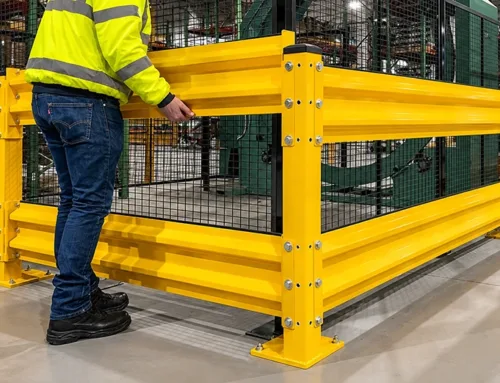
Первое, что нужно дистрибьютору, — это доказательства, которые выдержат сложный разговор. Детали сварного шва, покрытия и опорной плиты дают AJ что-то конкретное для показа, когда покупатель спрашивает, что делает ограждение стоящим для спецификации. Это не декоративная панель. Это конструкционное ограждение с видимым качеством сборки.
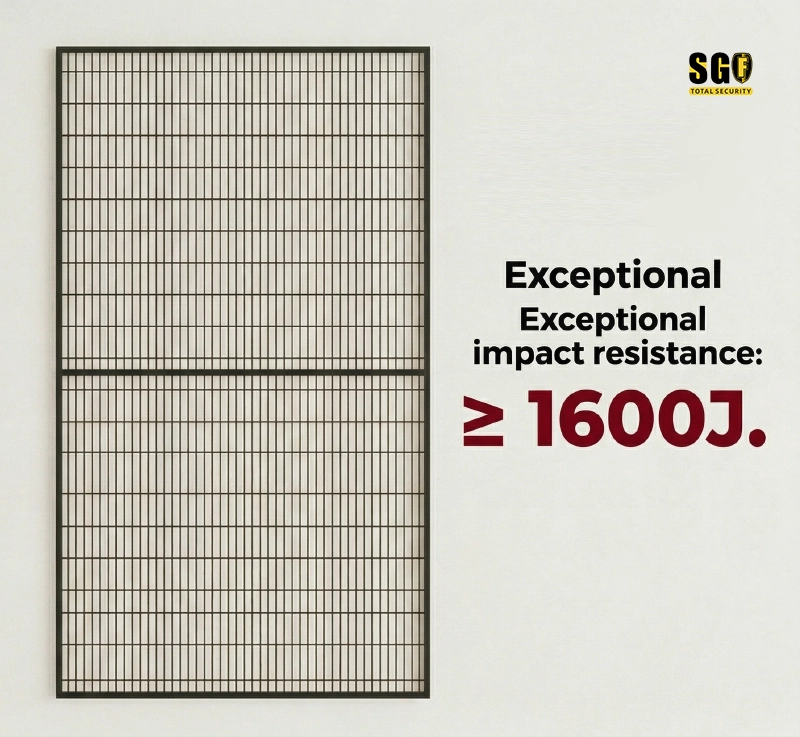
Расстояние установки, помогающее в планировании соответствия требованиям
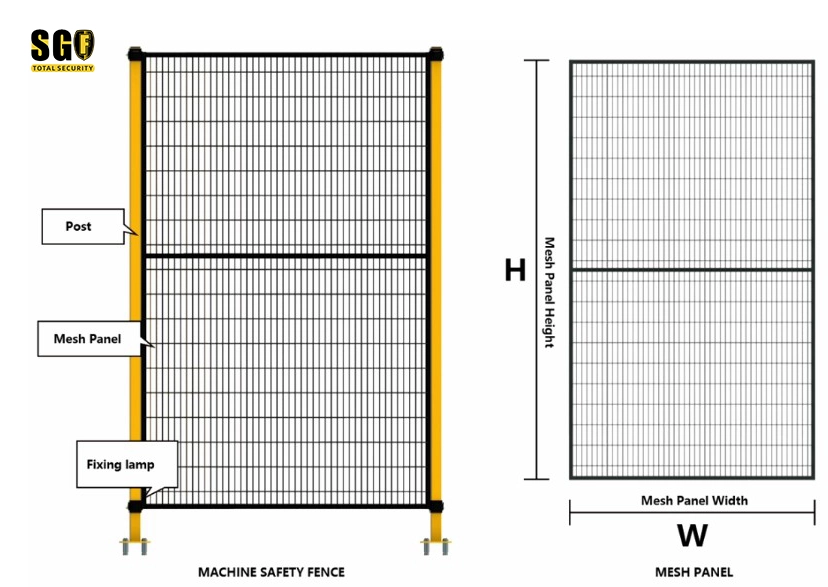
Расстояние установки в 120 мм имеет значение, поскольку оно дает проектировщику возможность разместить ограждение близко к опасной зоне, не превращая планировку в переделку. Последовательность монтажа опорной плиты, анкерных болтов и стопорного кольца также упрощает объяснение установки подрядчику, которому нужно только одно: чистое и повторяемое крепление.
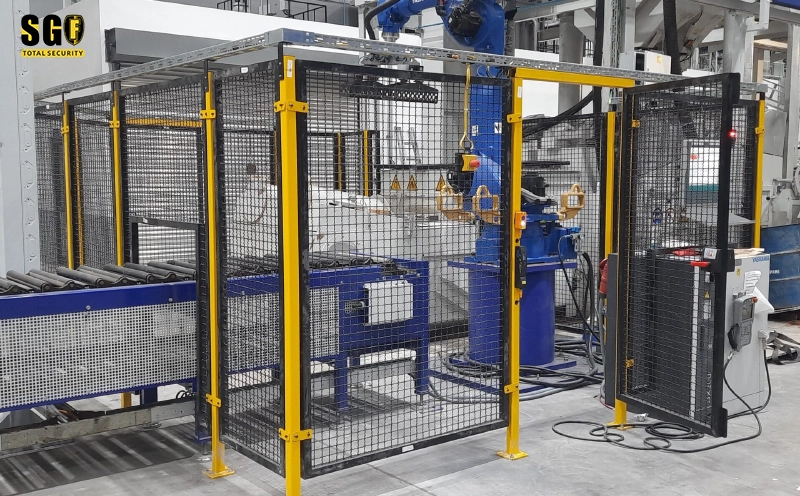
Закрытие углов и контроль ограждения
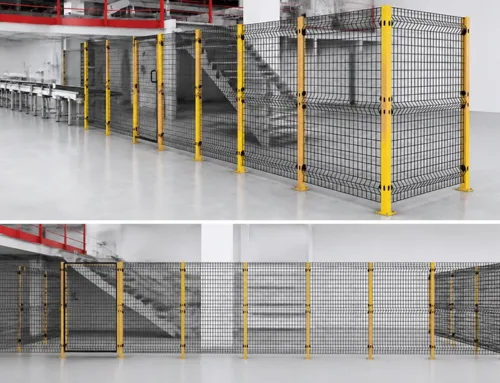
Экспортные покупатели часто сначала оценивают забор по слабым местам. Углы, зазоры и верхние балки показывают, продумана ли планировка до конца. Mdfence обеспечивает плотность периметра, при этом геометрия стоек и балок выполняет функцию настоящего машинного ограждения, а не свободного барьера вокруг ячейки.
Где это имеет значение в реальной продаже
- Машинные ячейки, переходящие на заводы с контролем CE и ISO.
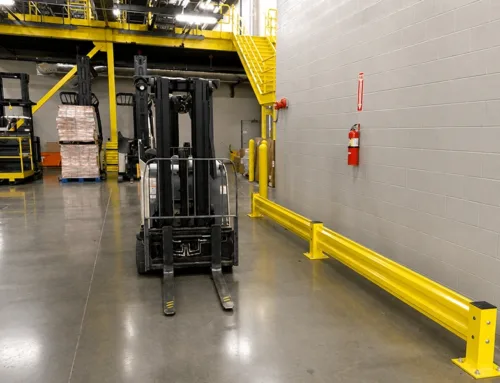
- Конвейерные и перегрузочные зоны, где летящие обломки или удар вилочного погрузчика могут разрушить слабое ограждение.
- Планировки на основе стеллажей, требующие линию ограждения, которую покупатель может напрямую поместить в каталог продаж.
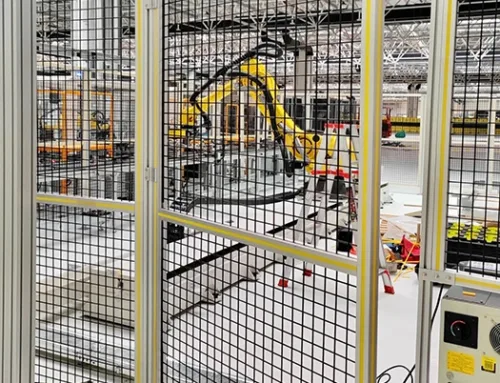
- Роботизированные и автоматизированные ячейки, где ограждение должно выглядеть серьезно до начала первой проверки.
Для AJ это означает меньше пустых обещаний перед европейским покупателем. История продукта проста: безопасность промышленной автоматизации, подкрепленная проверенным показателем ударопрочности, плотной сеткой, предотвращающей доступ, и конструкцией, которая не разрушится при первой же загруженности объекта.
Используйте тестовые показатели в продажах, а не только в брошюре
Если конечный клиент хочет то, что можно защитить в тендере или проверке безопасности, начинайте с цифр: 1600 джоулей, 100 кг при 20 км/ч, сетка 20x100 мм, расстояние установки 120 мм. Это детали, которые делают предложение серьезным.
Нужно ограждение, соответствующее требованиям безопасности промышленной автоматизации?
Принесите AJ планировку станка, и Mdfence может быть позиционировано как готовое к экспорту решение для сложных мастерских, проверенных заводов и клиентов, которые не могут позволить себе слабый периметр.