RU
RU  EN
EN  DE
DE  PT
PT  JA
JA  ES
ES  IT
IT 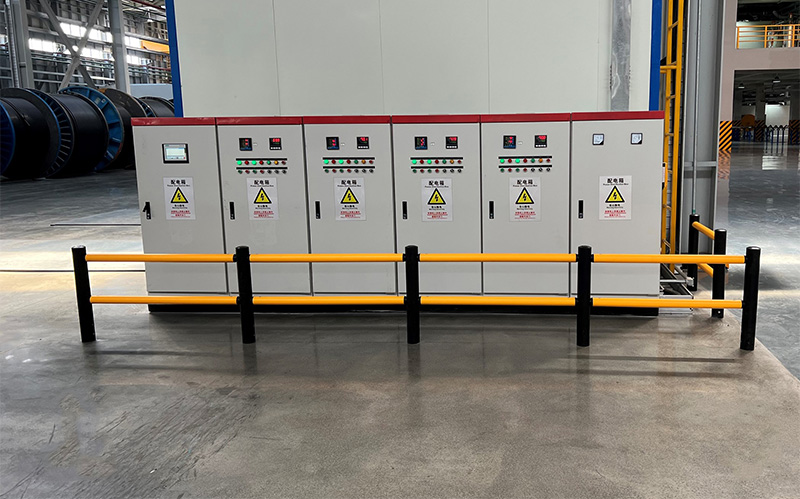
Client: A major 24/7 sorting hub for a leading U.S. logistics provider.
The Challenge: In a Business Where Every Second Counts, Downtime is the Enemy
For a major logistics hub, operational velocity is everything. The facility is a complex, high-speed environment where a constant flow of tugger trains and forklifts navigate a dense network of conveyors and sorting machinery. The entire operation is engineered for maximum efficiency, but this relentless pace created a chronic and costly problem at specific choke points: the sharp, often blind corners at the ends of conveyor lines.
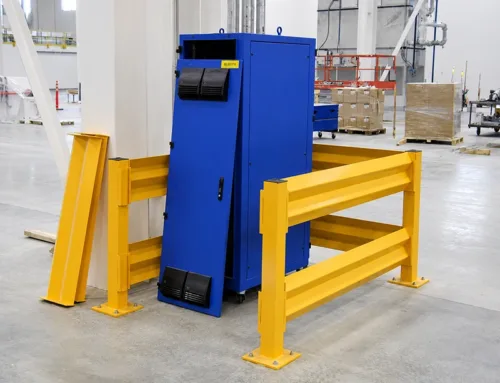
The Hub Manager was fighting a losing battle. The facility’s existing steel guardrails were being impacted by vehicles on a near-weekly basis. While most impacts were minor, the result was always the same: a dented, twisted, and compromised steel barrier.
This created a cascade of negative consequences that went far beyond the simple cost of repair:
- Operational Drain: Every repair required cordoning off a critical artery of the hub. Scheduling hot work for welding meant shutting down adjacent areas, causing traffic jams and bottlenecks that disrupted the entire sorting flow.
- Budgetary Drain: The recurring costs for labor and materials to cut out and replace damaged steel sections had become a significant and unpredictable line item in the facility’s operational budget.
- Safety & Morale Drain: A damaged barrier is a failed safety device, creating a window of risk until it could be fixed. The perpetually damaged look of the facility also projected an image of chaos, impacting team morale. The manager was stuck in a reactive loop, constantly fixing symptoms instead of solving the root problem.
The Solution: A Strategic Shift to a Flexible Crash Barrier
Recognizing that the cycle of “impact, damage, repair, repeat” was unsustainable, the management team began to search for a solution that addressed the root cause. The problem wasn’t just that vehicles were hitting the barriers; the problem was that the barriers were designed to fail upon impact.
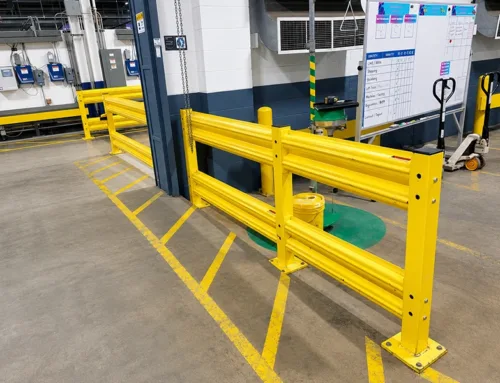
Their research led them to investigate modern, flexible safety systems. They chose to pilot the AOTONS ARMORFLEX™ Double-Rail Traffic Barrier at the two most problematic corners in the facility. The choice was based on a strategic shift in philosophy. Instead of a rigid system that would require constant intervention, they invested in a resilient system designed to withstand the realities of their high-velocity environment. The key factors were:
- Impact Absorbency: The ARMORFLEX™ material was engineered to flex on impact, absorb the kinetic energy, and then return to its original shape. This meant a typical collision would no longer be a damage-causing event.
- Zero Maintenance: The self-recovering nature of the barriers would theoretically eliminate the need for repairs, freeing up both budget and the maintenance team’s valuable time.
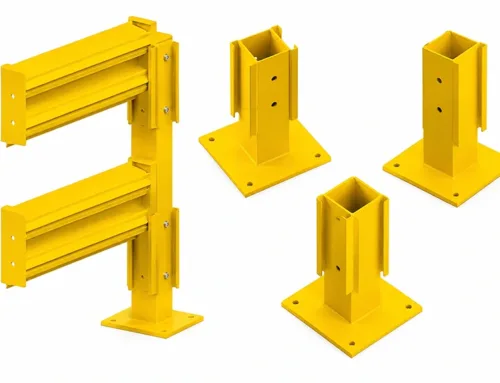
- Minimal Disruption: The system’s modular design allowed for a rapid, overnight installation with no hot work and zero disruption to the hub’s 24/7 operations.
The Results: A Transformation in Both Numbers and Culture
After one full year of operation, the results of the pilot program were transformative. The two corners, once the source of constant maintenance headaches, had become the most reliable and maintenance-free zones in the facility.
Quantitative Results:
- Direct Maintenance Cost Reduction: >90%
Before: The two corners accounted for an average of six repair incidents per year, with an approximate total annual cost of $10,000 in materials, specialized labor, and associated permits.
After: In the first 12 months, despite being struck numerous times (as evidenced by tire marks), the ARMORFLEX™ barriers required $0 in repair costs. - Downtime Elimination: An estimated 24 hours of operational downtime previously caused by repair-related shutdowns was completely eliminated.
- Vehicle Damage Reduction: The hub also noted a decrease in maintenance requests for minor damage to their tugger trains, attributing it to the forgiving, cushioned nature of the impacts.
Qualitative Results:
- Improved Operational Flow: With the primary choke points now consistently clear, the overall traffic flow within the hub became smoother and more predictable, a critical advantage during peak shipping seasons.
- Enhanced Safety Culture: The installation of a visibly advanced and effective safety system sent a powerful message to the team about the company’s commitment to their well-being.
- Management Peace of Mind: The Hub Manager was able to reallocate budget and his own focus from reactive firefighting to proactive, value-added optimization projects.
The ROI of Operational Resilience
For the sorting hub, the investment in a гибкий аварийный барьер delivered a return far beyond the direct cost savings. By eliminating a chronic source of downtime and maintenance, they were able to enhance the operational resilience and efficiency of their entire facility.
As the Hub Manager concluded, “We didn’t just buy a better guardrail. We bought operational consistency. In our business, that’s everything.” This case study proves that investing in an engineered, resilient safety system is one of the most effective ways to protect not just your infrastructure, but your uptime, your budget, and your bottom line.