RU
RU  EN
EN  DE
DE  PT
PT  JA
JA  ES
ES  IT
IT Машинное ограждение
Machine Fencing for Scrap and Dismantling Lines with Impact Containment
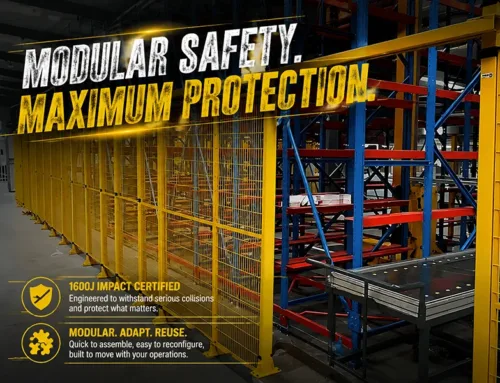
In scrap shredding, metal recovery, and vehicle dismantling zones, the risk is not only access control. Heavy debris can fly out of the line, and forklifts or transfer equipment can strike the perimeter. Machine Fencing from Mdfence is built for that reality: Q235 carbon structural steel, 60x60mm uprights, TUV-certified impact resistance up to 1600 joules, and 20x100mm micro-mesh to help contain flying fragments and reduce pinch-point exposure.

Why Machine Fencing is used on high-impact scrap lines
Light fencing fails fast in scrap yards because the load is not steady. One day it is a flying metal fragment, the next it is a forklift bumper or a transfer cart grazing the line. When the perimeter bends, the site loses both protection and uptime. Machine Fencing is specified for these environments because it is designed as a structural barrier, not a visual boundary.
| Риск сайта | Ответ Mdfence |
|---|---|
| Heavy debris flying out of shredding or breaking equipment | 20x100mm micro-mesh helps block stray metal fragments before they reach operators or walkways. |
| Forklift and material handling collisions | 60x60mm uprights in Q235 carbon structural steel are built to resist up to 1600J of impact energy. |
| Repeated deformation from frequent site contact | Reinforced fence construction keeps the barrier stable where ordinary light fencing would twist or crack. |
| Pinch-point exposure near active machinery | The tighter mesh pattern reduces the chance of hands reaching into dangerous zones around the line. |
| Specification uncertainty at procurement stage | TUV safety certification gives buyers a clearer basis for internal review and site acceptance. |
What makes Machine Fencing fit this site
Impact-resistant structure for recurring collisions
The main reason Machine Fencing fits scrap processing areas is the structural reserve in the frame. The 60x60mm post size and Q235 carbon steel body give the fence enough stiffness to handle the kind of accidental contact that happens every week in a busy yard. The 1600J impact rating is the difference between a fence that merely marks a boundary and a fence that stays in service after a real hit.

Micro-mesh that helps stop flying metal fragments
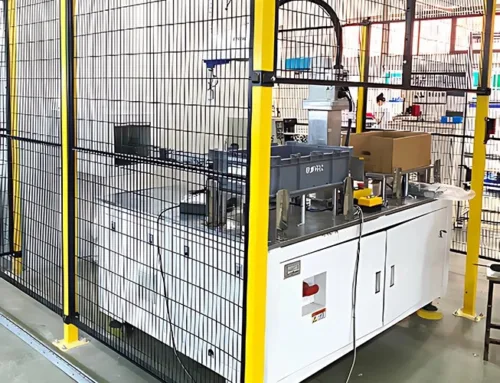
In dismantling and breaking lines, the danger is not only impact from equipment. Flying chips and loose fragments can escape the process area and injure nearby workers. Machine Fencing uses a 20x100mm micro-mesh pattern to close that gap. It gives the perimeter a tighter safety function while still supporting line-of-sight supervision and practical maintenance access.

Modular coverage for changing yard layouts
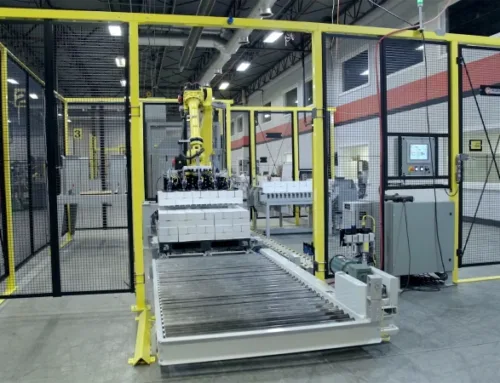
Scrap yards are rarely static. Stockpiles move, traffic routes change, and loading points get adjusted as production shifts. Machine Fencing works because the layout can be planned as a modular perimeter, not a fixed one-off barrier. That makes it easier to protect crushers, sorting bays, maintenance corridors, and forklift routes without leaving weak points around the edges.

Where Machine Fencing makes the most sense
- Scrap shredding lines with flying debris and frequent vibration.
- Automotive dismantling areas with forklift traffic and moving metal parts.
- Metal recycling yards where perimeter damage is a recurring maintenance problem.
- Loading and transfer zones that need a stronger barrier than ordinary light fencing.
- High-risk machine perimeters where hand access and impact protection must be addressed together.
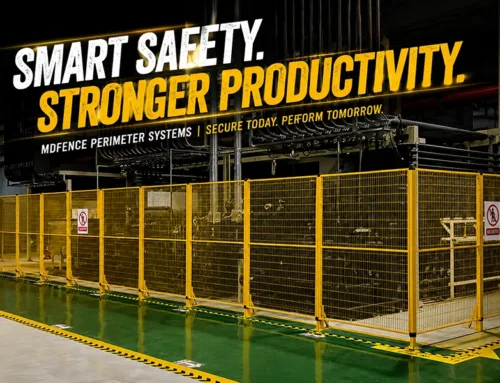
For these conditions, Machine Fencing is not a cosmetic upgrade. It is a practical safety barrier that combines collision resistance, debris containment, and a mesh opening that supports safer operation around active equipment. The result is a perimeter that is less likely to deform, less likely to let fragments escape, and easier to justify during site safety review.
Что указать перед оформлением заказа
To size Machine Fencing correctly, prepare the impact points, equipment routes, fence height, and maintenance access requirements. The core specs should stay clear: Q235 carbon structural steel, 60x60mm posts, TUV safety certification, 1600J impact resistance, and a 20x100mm micro-mesh. If the site sees repeated collision risk and heavy debris, those are the details that matter most.
Need a Machine Fencing layout matched to your scrap line?
Send the site plan and the main collision points, and we can map the fence line around the actual process flow. That makes procurement easier, reduces redesign work, and gives the site a clearer answer to both impact and flying-debris risk.