RU
RU  EN
EN  DE
DE  PT
PT  JA
JA  ES
ES  IT
IT Temporary Metal Fences: Materials, Configurations, and Uses
Temporary Metal Fencing: A Comprehensive Guide
Temporary metal fencing provides versatile solutions for short-term security and access control needs. From construction sites to special events, understanding the various types of temporary metal fences and their applications is crucial for making informed decisions.
Materials Used in Temporary Metal Fencing
Several materials are commonly used in the construction of temporary metal fences, each with its own advantages and disadvantages:
Steel: Steel fencing offers exceptional strength and durability, making it suitable for demanding applications. It can withstand harsh weather conditions and heavy impacts. Steel fences can be galvanized or powder-coated for enhanced corrosion resistance, extending their lifespan.
Aluminum: Aluminum fencing is lightweight and easy to install, making it ideal for projects requiring frequent relocation. It is naturally corrosion-resistant, eliminating the need for additional coatings. While not as strong as steel, aluminum fencing provides adequate security for many applications.
Wire Mesh: Wire mesh fencing, often made from welded or woven steel wire, offers good visibility and airflow. It is a cost-effective option for basic perimeter security and crowd control. However, it may not be suitable for applications requiring high security.
Chain Link: Chain link fencing is a durable and affordable option, providing good visibility and security. It is commonly used for construction sites, sporting events, and other applications requiring perimeter delineation.
Wrought Iron: While less common for temporary applications due to its higher cost, wrought iron fencing offers exceptional strength, durability, and aesthetic appeal. It is often used for decorative purposes or high-security applications.
Types of Temporary Metal Fence Configurations
Beyond materials, temporary metal fencing comes in various configurations:
Panel Fencing: Individual panels are connected to form a continuous barrier. Panel fencing is easy to install, dismantle, and relocate, making it highly versatile.
Chain Link Fence Systems: Chain link fencing systems typically involve posts, rails, and chain link fabric, offering a robust and secure perimeter.
Welded Wire Fence Panels: Welded wire mesh panels provide a rigid and secure barrier, often used for crowd control and security applications.
Post and Rail Fencing: Post and rail fencing systems utilize posts driven into the ground with rails connecting them, creating a sturdy and visually appealing barrier. This type is often used for crowd control at events or delineating boundaries.
Выбор правильного временного металлического ограждения
Selecting the appropriate temporary metal fence depends on several factors:
Security Requirements: Assess the level of security needed. High-security applications may require stronger materials like steel or wrought iron.
Project Duration: For short-term projects, lightweight and easily installable options like aluminum or wire mesh may suffice.
Бюджет: Соотносите стоимость с требуемыми характеристиками и долговечностью.
Aesthetics: Consider the desired aesthetic appeal, especially for events or public spaces.
Case Study: Securing a Construction Site
A construction company utilized steel panel fencing to secure their site perimeter. The robust steel construction provided excellent security, protecting valuable equipment and preventing unauthorized access. The modular design allowed for easy installation and adaptation to the site’s layout.
Часто задаваемые вопросы
Q: What is the most cost-effective temporary fencing option? A: Wire mesh and chain link are generally the most affordable options.
Q: How do I install temporary metal fencing? A: Installation methods vary depending on the fencing type. Consult the manufacturer’s instructions for specific guidance.
Q: Can temporary metal fencing be customized? A: Yes, many manufacturers offer customization options, such as gates, access points, and color choices.
By understanding the different materials, configurations, and factors influencing selection, you can choose the ideal temporary metal fencing solution for your specific needs. Contact us today to discuss your project requirements and explore the available options.
Interlock Switch Mounting Without Drilling: Why Alfence T-Slot Posts End Phantom Stops
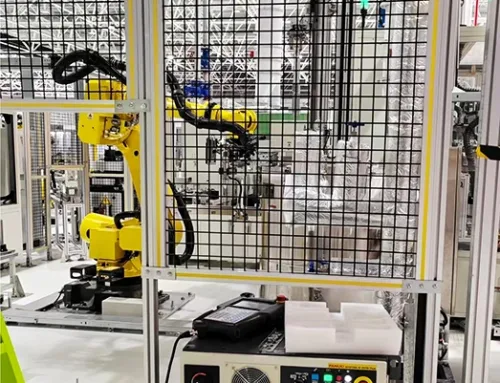
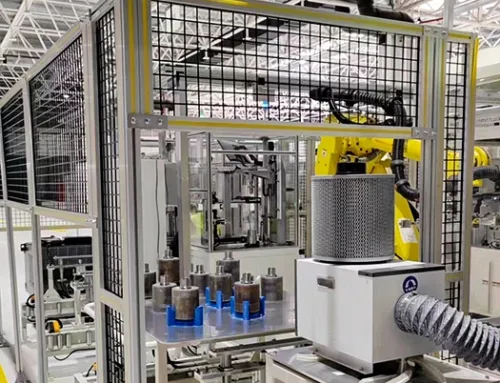
Bolting an interlock switch bracket through a powder-coated steel post drills the coating, drops swarf into the cell and leaves a rust line — and when the hinged leaf sags, the tongue misaligns and the PLC reports a phantom guard fault. Alfence mounts sensors, e-stops and conduit in the T-slot groove of a 40×40 mm or 45×45 mm aluminum post, with door hardware sized to keep the safety switch aligned.
Phantom Safe Torque Off Stops: T-Slot Guarding Fence Posts Mount Interlocks Without Drilling
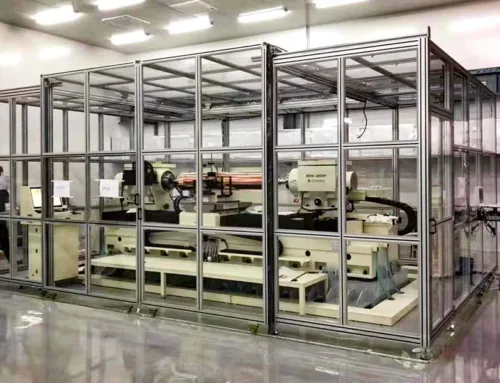
Painted steel guarding posts force maintenance to drill for interlock switches, dropping swarf in the cell and breaking the coating where rust starts. Sagging hinge doors then misalign the interlock tongue and the PLC trips Safe Torque Off while the gate is closed. Alfence industrial safety fence mounts sensors, e-stops and cable routing into the T-slot aluminum profile post without drilling, and uses hinged, folding or sliding door frames that keep interlock geometry stable - protecting OEE through phantom stops and line changes.
Automotive Plant Industrial Safety Fence: Keep the Robot Cell Close to the Hazard
Automotive plants cannot afford to lose production floor to an oversized machine guarding perimeter. Alfence combines 20×100 mm mesh with slim 40×40 mm or 45×45 mm aluminum posts for a compact, reconfigurable industrial safety fence layout, with final clearance confirmed by the project risk assessment.