EN
EN  DE
DE  RU
RU  PT
PT  JA
JA  ES
ES  IT
IT Export safety for machine builders
How high speed mechanical assembly machines safety depends on certified machine fencing
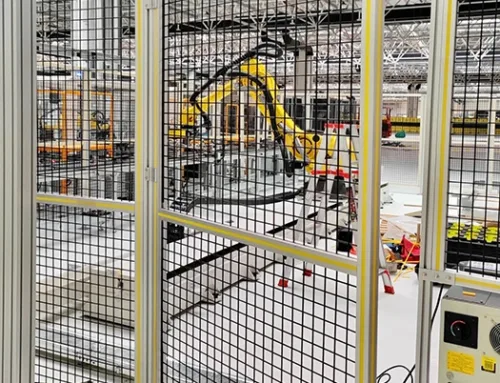
For high speed mechanical assembly machines safety, the fence has to do more than mark a boundary. It needs to absorb impact, hold a tight safe distance, and give the sales team numbers that stand up in CE and ISO conversations.
What the numbers say
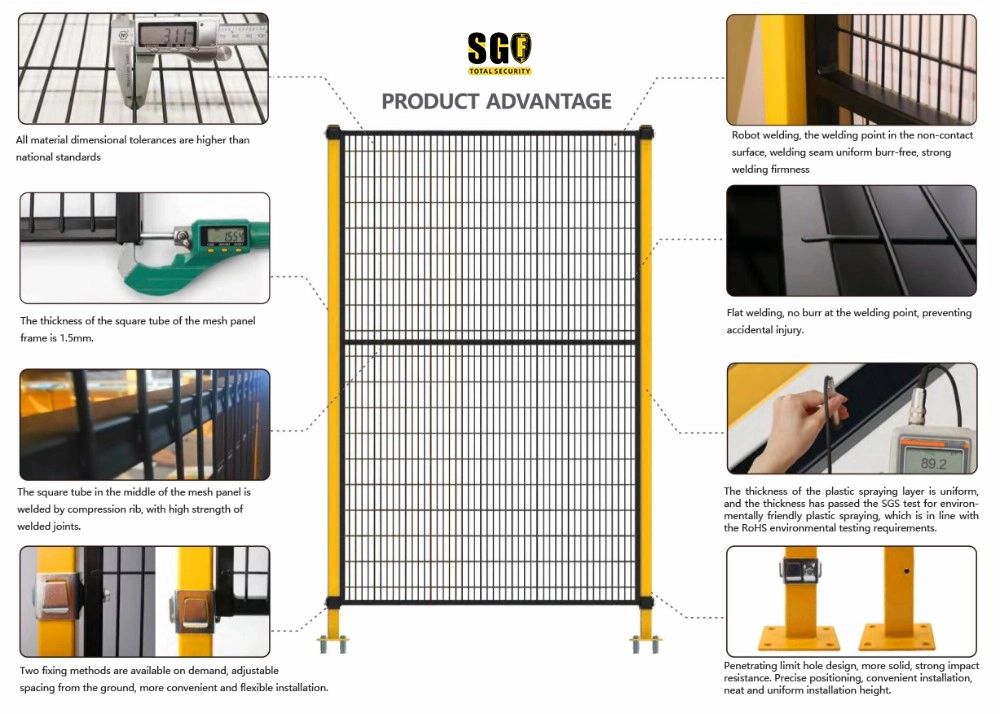
When a line runs fast, the weak point usually shows up at the fence. A light panel can crack, bend, or let fragments escape. That is where Mdfence is different. The product is built for machine cells that need a hard technical story, not a soft promise.
| Item | Specification |
|---|---|
| Impact proof | TUV tested to 1600 J, equal to a 100 kg object hitting at 20 km/h |
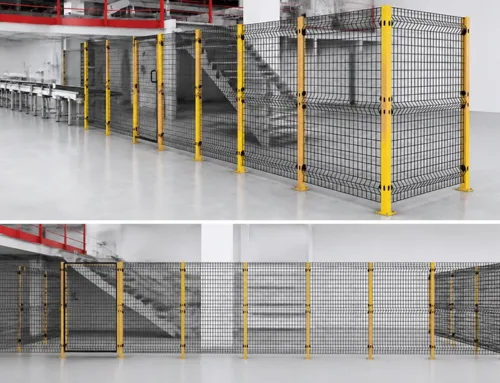
| Safe distance | 20×100 mm anti-reach mesh that supports installation as close as 120 mm from the hazard |
| Export use case | Suitable for CE and ISO-driven factory layouts in the UK, Nordics, and other strict markets |
| Sales value | Lets distributors show a hard technical basis instead of a generic safety claim |
Why the fence fits the job
1. It solves the first problem: impact
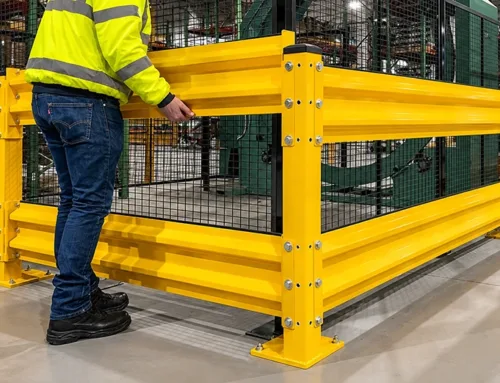
On a high-speed assembly line, the fence is not there for decoration. It must stop flying parts and survive abuse from carts, tools, or a forklift mistake near the cell. Mdfence carries a TUV result that gives the sales team a real number: 1600 J. That is the sort of figure a European buyer can place in a catalogue without apologising for it. The point is simple. If the fence cannot hold, the whole safety story falls apart.
2. It keeps the hazard line close without getting casual about access
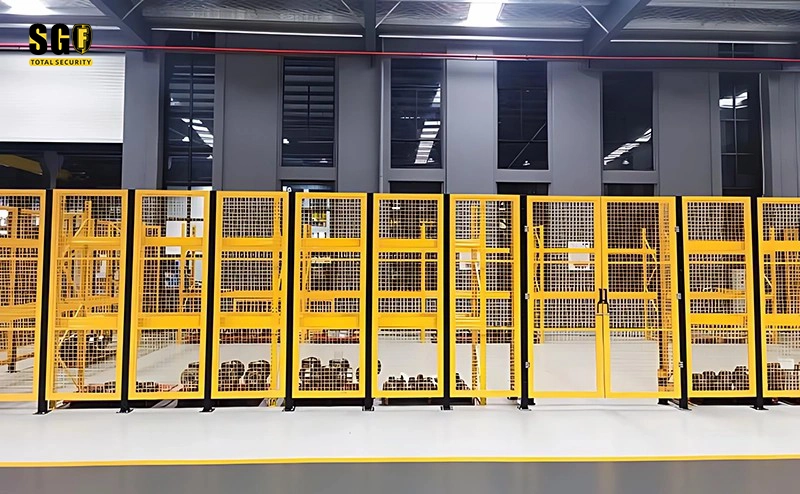
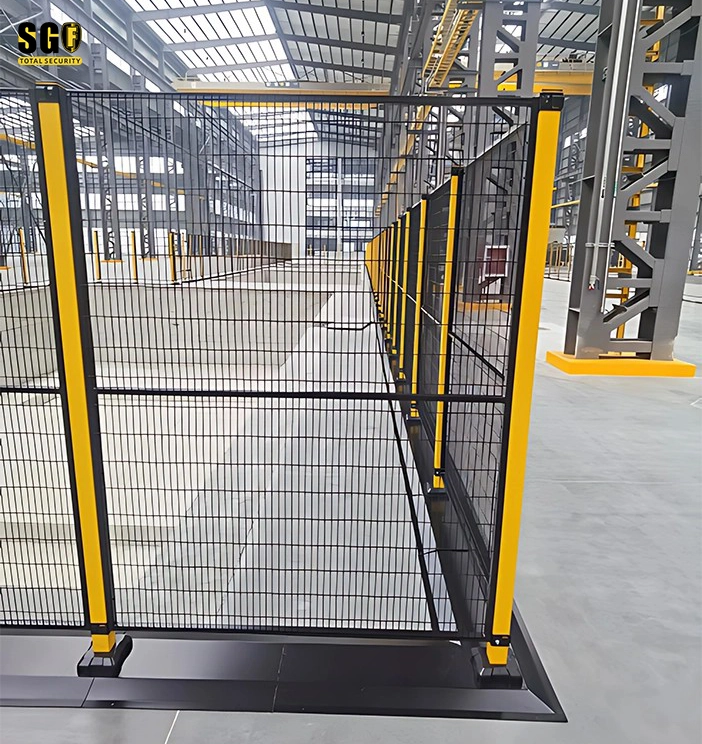
The 20×100 mm mesh matters because it lets the fence sit close to the danger zone while still blocking fingers and loose access. That gives designers more room in a cramped cell. It also helps when the machine builder is trying to keep the line compact for throughput. A fence that forces extra clearance can eat floor space, push operators away from the process, and complicate the layout. Mdfence keeps the boundary tight at 120 mm, which is useful when every millimetre is already spoken for.
3. It gives the distributor a cleaner story
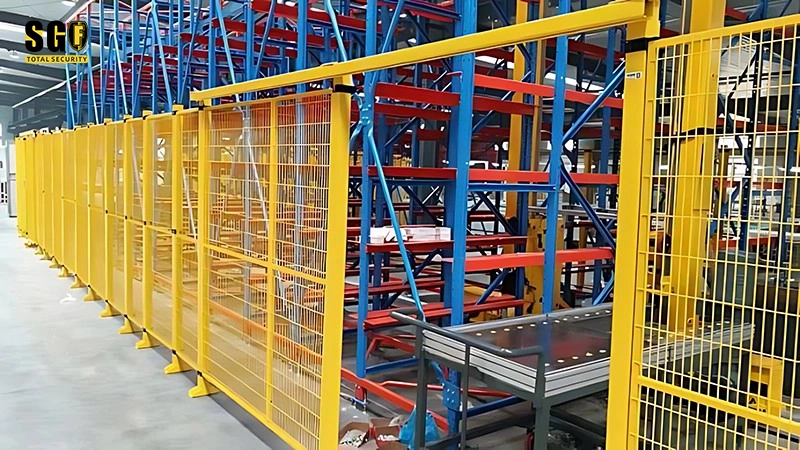
Many fence systems are fine in a local plant and awkward everywhere else. That is a problem when the customer ships machinery into regulated markets. The question is not only whether the fence looks solid. The question is whether it can be explained to a buyer in the UK, in Sweden, or in Denmark without a long backtracking conversation. A TUV-tested fence with a documented impact rating changes that conversation fast. It turns safety from a risk into a line item.
Where it fits best
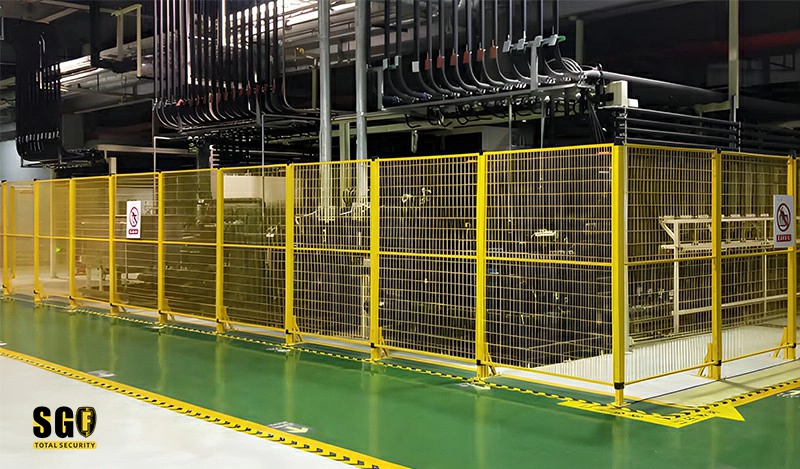
- High-speed assembly cells that need a compact safety envelope
- Export machines sold into CE and ISO controlled plants
- Conveyor and transfer areas where flying debris is a real concern
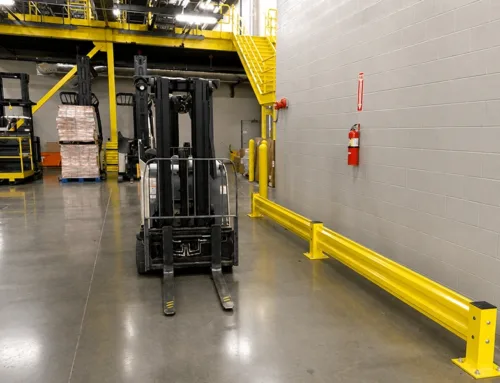
- Warehouse-linked machine lines where forklift traffic sits close to the guard line
Mdfence is strongest when the fence has to support a commercial claim as much as a physical one. The buyer wants safety. The distributor wants a clean export story. The engineering team wants a layout that does not waste floor space. This product serves all three.
What to ask for before you quote the fence
Ask for the impact test result, the mesh opening, the safe mounting distance, and the installation layout. For Mdfence, those answers are already on the table: 1600 J impact resistance, 20×100 mm mesh, and a 120 mm safe distance. That is enough to make the product usable in a serious machine catalogue.
Need a fence that can carry the safety argument?
If you are selling machine cells into stricter European markets, Mdfence gives you a more defensible position. It is the difference between saying the fence looks strong and showing why it holds up.