EN
EN  DE
DE  RU
RU  PT
PT  JA
JA  ES
ES  IT
IT 
safety fencing industrial
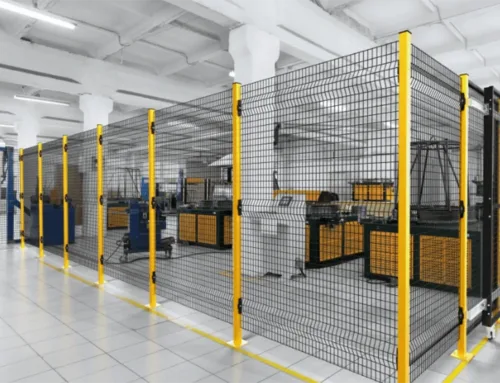
Industrial safety fencing is a critical component in safeguarding employees, machinery, and equipment in various workplace settings. Over the years, advancements in technology have led to innovative solutions in safety fencing, enhancing protection and efficiency across industries. In this article, we explore the latest innovations in industrial safety fencing technology that have revolutionized the way we approach workplace safety.</p>
The Evolution of Safety Fencing
Traditional safety fencing has primarily been associated with static barriers that delineate hazardous areas. While they have been effective, they lack adaptability and real-time monitoring capabilities. The latest innovations in industrial safety fencing have ushered in a new era of smart and dynamic solutions.
Key Advancements in Industrial Safety Fencing
1. Wireless Connectivity: Modern safety fencing systems are equipped with wireless connectivity, allowing for remote monitoring and control. This feature enables real-time alerts and adjustments, enhancing safety management.
2. Intelligent Sensors: Innovations in sensor technology have made safety fencing smarter. Sensors can detect not only physical breaches but also environmental factors, such as temperature and humidity, contributing to a safer work environment.
3. Machine Learning and AI: Industrial safety fencing can now benefit from machine learning and artificial intelligence. These technologies can predict potential safety breaches based on historical data, reducing the risk of accidents.
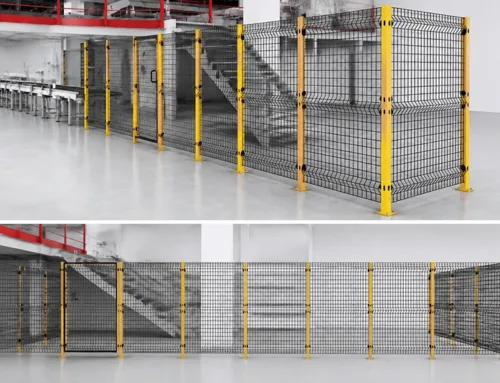
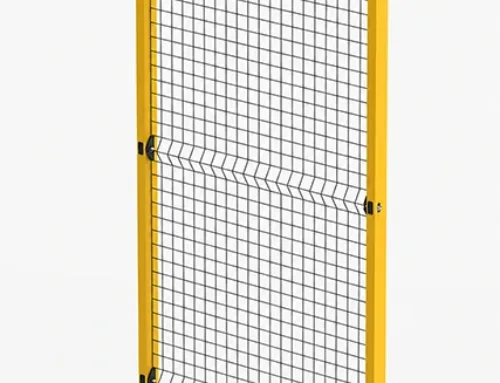
4. Modularity and Customization: New safety fencing systems are modular, making them highly adaptable to different environments. They can be easily customized to fit specific needs and layouts, ensuring maximum protection.
5. Integration with Access Control: Safety fencing is now seamlessly integrated with access control systems. This means authorized personnel can enter restricted areas with ease while maintaining a secure perimeter.
Applications of Advanced Safety Fencing

These innovations have far-reaching applications in various industries:
Manufacturing:
In manufacturing, dynamic safety fencing systems with wireless connectivity and intelligent sensors can adapt to changing production lines, reducing downtime while maintaining safety standards.
Warehousing and Logistics:
In warehousing and logistics, AI-powered safety fencing can optimize the flow of goods and prevent accidents by analyzing the movement of forklifts and other machinery.
Construction Sites:
On construction sites, modular safety fencing can be customized to suit the project’s layout. Access control integration ensures that only authorized personnel can access hazardous areas.
The Future of Industrial Safety Fencing
Industrial safety fencing technology continues to evolve, driven by the need for increased safety and efficiency. The future promises even more interconnected and intelligent systems that will transform the way we protect workers and assets in industrial settings. As technology advances, so does our ability to create safer work environments.
Food & Beverage Line Reconfiguration: How Mefence Frameless Safety Fencing Turns Plant Zoning into a Reusable Asset
Short SKU lifecycles and frequent production-line changes make welded partitions expensive to abandon. Mefence frameless 3D industrial safety fencing uses clip-fixed modules, on-site cutting and reusable components for warehouse zoning, machine guarding and pedestrian-vehicle separation.
Food & Beverage Line Reconfiguration: How Mefence Turns Industrial Safety Fencing into a Reusable Asset
Shorter SKU life cycles force food and beverage plants to redraw production zones. Mefence frameless 3D industrial safety fencing can be dismantled, cut on site, moved, and reused as layouts change.
Food & Beverage Line Reconfiguration: Turn Mefence Safety Fencing into a Reusable Plant Asset
When seasonal SKUs and pilot runs repeatedly change a food and beverage production layout, Mefence Safety Fencing replaces welded-in zoning with a frameless, modular barrier that can be dismantled, cut on site, and reused.