EN
EN  DE
DE  RU
RU  PT
PT  JA
JA  ES
ES  IT
IT 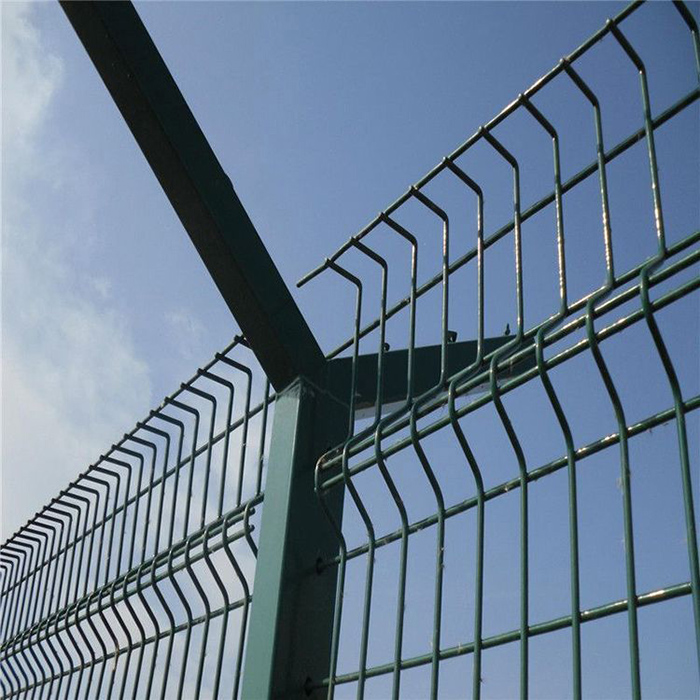
For a century, the tools of security design were largely static: heavier gates, higher walls, stronger locks. The approach was one of brute force, often creating a direct conflict with architectural ambition. But a confluence of technological proliferation, environmental consciousness, and a deep shift in our understanding of space is forcing a radical re-imagination of how we protect our built environment. The era of security as an ugly, standalone necessity is over. The future is about integration, intelligence, and humanity.
Based on our analysis of emerging technologies and leading architectural projects, here are the five key trends that will define the next decade of security design, moving beyond traditional barriers toward more sophisticated solutions.
Trend 1: The Invisible Integration — From Dumb Barrier to Smart Node
The future of security lies in its seamless integration into a building’s central nervous system. The perimeter is no longer a “dumb” edge but an active, data-rich component of a smart building’s ecosystem. Fences and barriers are evolving into intelligent platforms, designed from the outset to host a suite of sensors—not just cameras, but LiDAR, radar, and advanced fiber-optic Perimeter Intrusion Detection Systems (PIDS). As the Internet of Things (IoT) makes distributed sensing cost-effective and AI demands clean data, a modern perimeter must provide a stable, reliable scaffold. We’ll see fewer after-market brackets and clumsy conduits. Instead, forward-thinking systems, like an advanced anti climb chain link fence, are being designed with integrated, protected channels for power and data. The very structure is engineered for rigidity to eliminate the false alarms that plague older sensor systems, ensuring the data fed into analytics engines is clean and reliable.
Trend 2: The Sustainable Perimeter — Durability as the New Green
The conversation around sustainability in security is maturing, shifting focus from recycled content to the entire lifecycle of the asset. This “cradle-to-grave” assessment prioritizes longevity and low maintenance, driven by corporate ESG (Environmental, Social, and Governance) mandates that are no longer optional. The most sustainable fence is the one you only have to build once. The focus is shifting to materials with extreme durability, such as those used in a high-quality anti climb chain link fence. Advanced, zero-VOC powder coating technologies that provide a 20+ year lifespan without peeling or rusting are replacing traditional paints. A system that doesn’t need to be repaired, repainted, or replaced for decades has an infinitely smaller carbon footprint than a cheaper alternative that ends up in a landfill in ten years.
Trend 3: Aesthetic Minimalism — Security That Disappears
As architecture embraces minimalism, security hardware must follow suit. The demand is for security that performs its function without visually shouting about it. This “less is more” principle aims to create a barrier that is physically formidable but visually “light,” aligning with the modernist desire for buildings to feel open and connected to their environment. This is achieved through materiality and form. High-tensile steel allows for incredibly thin-profile wires that maintain immense strength. When designed as a clean, vertical mesh and finished in a neutral, matte color, these fences perform a remarkable visual trick: from an oblique angle or a distance, they seem to dematerialize, offering an almost completely unobstructed view. The security is felt, but hardly seen.
Trend 4: Human-Centric Security — Designing for Well-Being
There is a growing recognition that spaces have a profound impact on our psychological well-being. The key question is: How do we create a space that is verifiably secure without making its occupants feel imprisoned? The answer is a human-centric approach that prioritizes the user experience, enhancing feelings of calm confidence. Transparency is crucial. By allowing natural light to flow freely and preserving views of landscapes, a transparent security barrier, like a modern anti climb chain link fence, maintains a vital connection to the outside world. It enforces a boundary without creating isolation, engendering a feeling not of being trapped, but of being in a safe, open, and considered space.
Trend 5: The Resilient System — Designing for an Unpredictable Future
Recent years have taught us that conditions can change rapidly. The future of design is less about creating a fixed object and more about an adaptable, resilient system. This means designing security infrastructure that can be easily repaired, modified, or upgraded without massive capital investment or specialized labor, future-proofing assets against changing threats and unforeseen damage. The solution is modularity. A system where a single fence panel can be replaced in under an hour by on-site staff using standard tools is inherently more resilient than a monolithic, welded system requiring a specialized crew. This modular approach ensures the perimeter’s integrity can be affordably and immediately restored after any incident.
The Future is Seamless, Sustainable, and Secure
The next generation of security design will not be defined by higher walls, but by smarter systems. It will be a world where security is seamlessly integrated into the building’s digital fabric, where its environmental impact is minimized through extreme longevity, and where its aesthetic contribution is as valued as its protective function. The most secure buildings of the future will be the ones where the security is so thoughtfully woven into the architecture and the landscape that you hardly even notice it’s there.