EN
EN  DE
DE  RU
RU  PT
PT  JA
JA  ES
ES  IT
IT 
Machine guards fence: an important component of workplace safety

In any industrial setting, the presence of heavy machinery and equipment poses inherent risks to workers and visitors. To mitigate these dangers and ensure a safe working environment, machine guards fences have become a crucial element of workplace safety protocols. These physical barriers act as a protective shield, preventing direct contact with hazardous machinery and significantly reducing the likelihood of accidents. This article explores the significance of machine guard fences in safeguarding personnel and enhancing overall workplace safety.
The Role of Machine Guards Fences in Accident Prevention
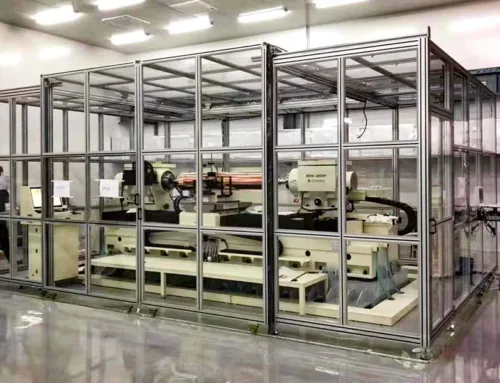
One of the primary purposes of machine guards fences is accident prevention. These fences are designed to enclose dangerous machinery, such as rotating gears, conveyor belts, and press machines. By effectively isolating these hazardous areas, machine guards’ fences prevent accidental contact, thereby reducing the risk of amputations, crush injuries, and other severe harm to workers. These barriers act as a first line of defense against potential accidents and serve as a constant reminder of the importance of safety in the workplace.
Machine guards fences also play a critical role in promoting compliance with safety regulations and standards. Occupational Safety and Health Administration (OSHA) guidelines mandate the use of machine guards to protect workers from known hazards. Employers who implement machine guards fences demonstrate their commitment to employee welfare and avoid potential legal liabilities resulting from safety violations.
Advantages of Machine Guards Fences in Enhancing Workplace Safety
-
-
- Accident Reduction and Increased Productivity: Machine guards fences create a safer work environment, which leads to a decrease in accidents and injuries. When workers feel secure and protected, they can focus on their tasks without unnecessary distractions or fear of potential harm. This, in turn, boosts productivity and efficiency in the workplace.
- Employee Morale and Retention: Prioritizing employee safety through the implementation of machine guards and fences fosters a positive work culture. Workers feel valued and appreciated, leading to higher morale and increased job satisfaction. Moreover, a safer work environment reduces turnover rates, as employees are more likely to stay with a company that demonstrates genuine concern for their well-being.
-
In conclusion, machine guards’ fences are an indispensable component of workplace safety. These barriers not only prevent accidents but also demonstrate an organization’s commitment to the well-being of its workforce. By incorporating machine guards fences into their safety protocols, industries can create a culture of safety, ultimately leading to a more productive and thriving work environment. Prioritizing safety through the use of machine guards fences is an investment in both the welfare of employees and the overall success of the business.
Interlock Switch Mounting Without Drilling: Why Alfence T-Slot Posts End Phantom Stops
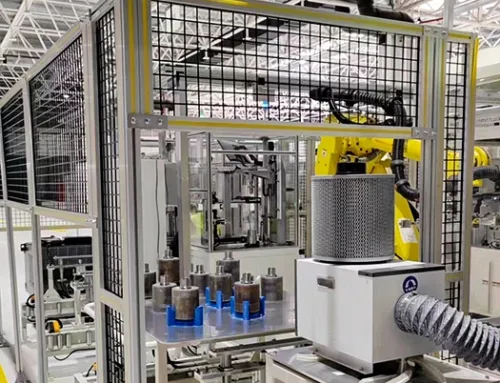
Bolting an interlock switch bracket through a powder-coated steel post drills the coating, drops swarf into the cell and leaves a rust line — and when the hinged leaf sags, the tongue misaligns and the PLC reports a phantom guard fault. Alfence mounts sensors, e-stops and conduit in the T-slot groove of a 40×40 mm or 45×45 mm aluminum post, with door hardware sized to keep the safety switch aligned.
Phantom Safe Torque Off Stops: T-Slot Guarding Fence Posts Mount Interlocks Without Drilling
Painted steel guarding posts force maintenance to drill for interlock switches, dropping swarf in the cell and breaking the coating where rust starts. Sagging hinge doors then misalign the interlock tongue and the PLC trips Safe Torque Off while the gate is closed. Alfence industrial safety fence mounts sensors, e-stops and cable routing into the T-slot aluminum profile post without drilling, and uses hinged, folding or sliding door frames that keep interlock geometry stable - protecting OEE through phantom stops and line changes.
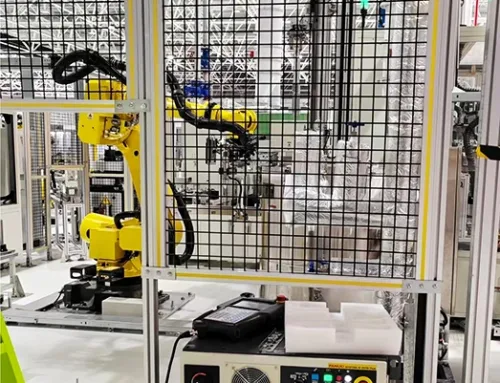
Automotive Plant Industrial Safety Fence: Keep the Robot Cell Close to the Hazard
Automotive plants cannot afford to lose production floor to an oversized machine guarding perimeter. Alfence combines 20×100 mm mesh with slim 40×40 mm or 45×45 mm aluminum posts for a compact, reconfigurable industrial safety fence layout, with final clearance confirmed by the project risk assessment.