EN
EN  DE
DE  RU
RU  PT
PT  JA
JA  ES
ES  IT
IT 
Excavation Fences
Excavation fences are essential safety barriers used in construction and excavation sites to prevent unauthorized access and protect both workers and the public from potential hazards. These fences serve a crucial role in maintaining safety and security within the construction zone.</p>
Weather Resistance and Durability
One of the primary concerns when it comes to excavation fences is their ability to withstand adverse weather conditions and provide long-term durability. Let’s delve into these aspects to understand how excavation fences meet these challenges:
Weather Resistance
Excavation fences are typically designed to be weather-resistant. They are constructed using materials that can endure a range of environmental conditions. Here’s how they handle different weather challenges:
- Rain: Excavation fences are often made from materials like galvanized steel or plastic, which are resistant to water damage. They can withstand heavy rain without rusting or degrading.
- Wind: These fences are designed with structural integrity, ensuring they can resist the force of strong winds. Additionally, they are anchored securely to the ground to prevent toppling.
- Sun: The materials used in excavation fences are UV-resistant, preventing damage from prolonged exposure to the sun’s rays.
Durability for Long-Term Use
Excavation fences are built to be durable for long-term use. They are constructed with sturdy materials and a design that ensures longevity:
- Material Selection: These fences are typically made from materials known for their durability, such as steel or high-density polyethylene (HDPE).
- Corrosion Resistance: Steel excavation fences are often coated with a protective layer to prevent corrosion, extending their lifespan.
- Impact Resistance: Excavation fences are designed to withstand accidental impacts, ensuring they don’t get damaged easily during construction activities.
- Easy Maintenance: Regular maintenance, such as cleaning and inspections, can help extend the life of excavation fences.
Applications

Excavation fences find applications in various industries and settings, including but not limited to:
- Construction: These fences are commonly used on construction sites to cordon off areas under development.
- Excavation Projects: They are essential for excavation projects to ensure safety and security around deep holes and trenches.
- Utility Maintenance: Utility companies use excavation fences to protect workers and the public during maintenance and repair work.
- Event Management: Excavation fences can be used for crowd control and safety at events and festivals.
Conclusion
In conclusion, excavation fences are designed to withstand adverse weather conditions and offer long-term durability. They are constructed with weather-resistant materials and built to last, making them a reliable choice for maintaining safety and security in construction and excavation sites.
Food & Pharma Machine Guarding: Modular Aluminum Frame for Cleanable Safety Fencing
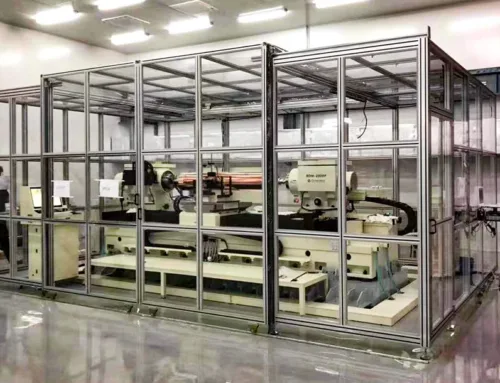
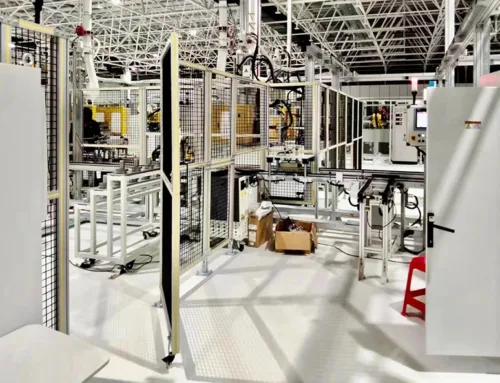
Food, beverage, pharmaceutical, and cleanroom facilities need machine guarding that resists corrosion, avoids rust-flake contamination, and can be cleaned without slowing production. Alfence uses a modular aluminum frame with corrosion-resistant aluminum alloy and powder-coated protection for indoor perimeter guarding.
Aluminum extrusion fence for hygienic food and pharma machine guarding
Food, beverage, pharmaceutical, and cleanroom operations need machine guarding that resists corrosion and remains practical to clean. This guide explains how Alfence Aluminum extrusion fence combines aluminum alloy profiles, a 185 °C powder-coat cure, modular panels, and configurable access for suitable indoor hygienic production areas.
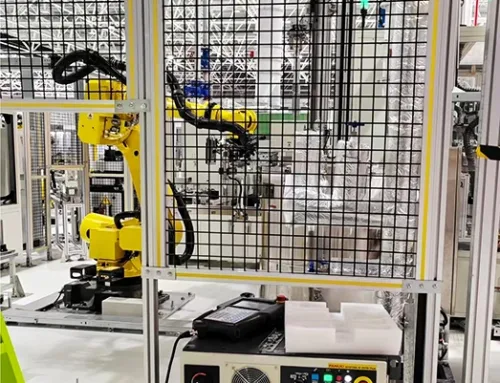
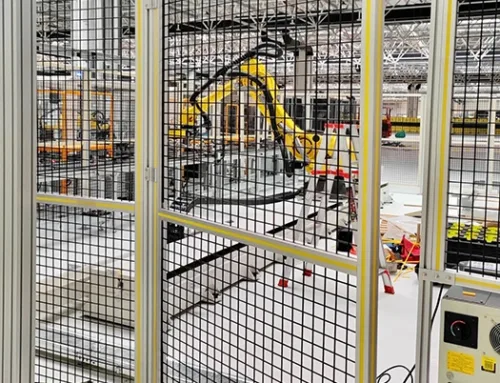
Equipment Isolation Fence for Phased Automated Warehouse Expansion | Alfence
For phased automated warehouse projects, an equipment isolation fence must expand with ASRS zones, AGV paths, conveyors, and throughput. Alfence uses bolt-free modular posts, panels, doors, and connectors so the perimeter can be extended or reconfigured without scrapping the first phase.