ES
ES  EN
EN  DE
DE  RU
RU  PT
PT  JA
JA  IT
IT 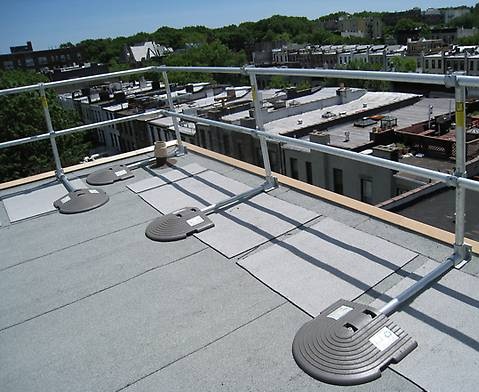
Roof Guardrail
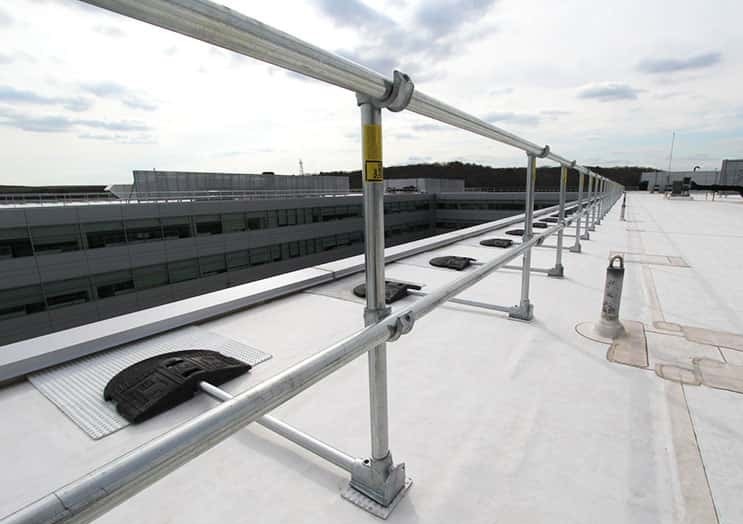
Roof guardrails are essential safety equipment designed to protect individuals working on rooftops or raised platforms from the risk of falls. They serve as a crucial barrier to prevent accidents and ensure the well-being of workers. To maintain a safe work environment, it is important to understand the expected lifespan of roof guardrails and how to determine when they require replacement or upgrades.
Understanding the Lifespan of Roof Guardrails
The expected lifespan of roof guardrails can vary depending on several factors, including the materials used, environmental conditions, and the level of maintenance. Here are key considerations to keep in mind:
Materials and Quality
The quality of materials used in the construction of roof guardrails plays a significant role in determining their lifespan. High-quality materials, such as corrosion-resistant steel or aluminum, can offer a longer service life. Regular inspections and proper maintenance can further extend their longevity.
Environmental Conditions
The environment in which the roof guardrails are installed can impact their durability. Exposure to harsh weather conditions, such as extreme temperatures, heavy rainfall, or saltwater environments, can lead to faster wear and tear. Roof guardrails in coastal areas, for example, may require more frequent inspections and maintenance.
Maintenance and Inspections
Regular maintenance and inspections are critical to ensuring the continued safety and functionality of roof guardrails. Periodic examinations should be conducted to check for signs of rust, corrosion, loose fasteners, or any damage. A well-maintained guardrail system can significantly extend its lifespan.
Signs That Roof Guardrails Need Replacement or Upgrades
It’s essential to recognize when roof guardrails require replacement or upgrades to maintain a safe working environment. Here are some common indicators that it may be time for action:
Rust or Corrosion
Visible rust or corrosion on guardrail components is a clear sign that they need attention. If left unaddressed, rust can weaken the structure, reducing its ability to withstand a fall.
Loose Fasteners
If fasteners, such as bolts and nuts, are loose or missing, it’s essential to tighten them or replace them as necessary. Loose connections compromise the integrity of the guardrails.
Damaged Components
Any damaged or bent components should be promptly replaced. Damaged sections are unable to provide the intended level of protection and should not be overlooked.
Changes in Regulations
If safety regulations or standards have been updated since the installation of your guardrails, consider whether your system meets the new requirements. Upgrades may be necessary to remain compliant.
Visible Wear and Tear
If your guardrails show visible signs of wear and tear, such as dents, scratches, or deformities, they may no longer offer optimal protection. Replacement or upgrades should be considered.
Conclusion
Understanding the expected lifespan of roof guardrails and recognizing the signs that they need replacement or upgrades is crucial for maintaining a safe work environment. Regular inspections and proper maintenance can extend the lifespan of your guardrails, but when signs of deterioration are present, it’s essential to take action to ensure the continued safety of workers.
Interlock Switch Mounting Without Drilling: Why Alfence T-Slot Posts End Phantom Stops
Bolting an interlock switch bracket through a powder-coated steel post drills the coating, drops swarf into the cell and leaves a rust line — and when the hinged leaf sags, the tongue misaligns and the PLC reports a phantom guard fault. Alfence mounts sensors, e-stops and conduit in the T-slot groove of a 40×40 mm or 45×45 mm aluminum post, with door hardware sized to keep the safety switch aligned.
Phantom Safe Torque Off Stops: T-Slot Guarding Fence Posts Mount Interlocks Without Drilling
Painted steel guarding posts force maintenance to drill for interlock switches, dropping swarf in the cell and breaking the coating where rust starts. Sagging hinge doors then misalign the interlock tongue and the PLC trips Safe Torque Off while the gate is closed. Alfence industrial safety fence mounts sensors, e-stops and cable routing into the T-slot aluminum profile post without drilling, and uses hinged, folding or sliding door frames that keep interlock geometry stable - protecting OEE through phantom stops and line changes.
Automotive Plant Industrial Safety Fence: Keep the Robot Cell Close to the Hazard
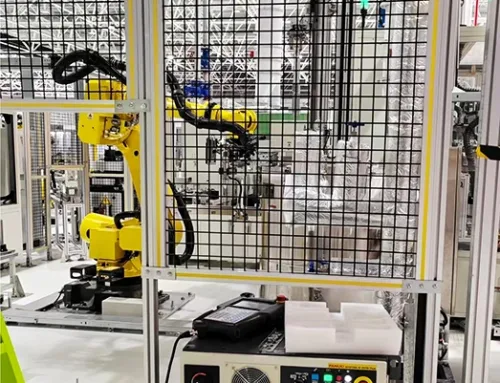
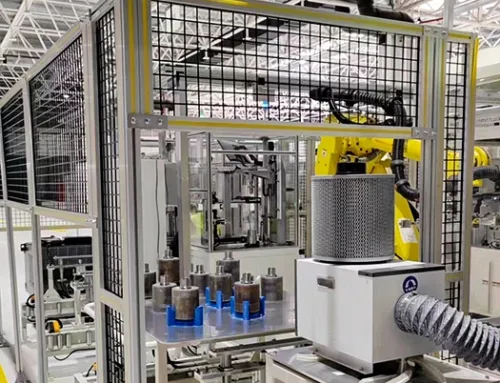
Automotive plants cannot afford to lose production floor to an oversized machine guarding perimeter. Alfence combines 20×100 mm mesh with slim 40×40 mm or 45×45 mm aluminum posts for a compact, reconfigurable industrial safety fence layout, with final clearance confirmed by the project risk assessment.