ES
ES  EN
EN  DE
DE  RU
RU  PT
PT  JA
JA  IT
IT 
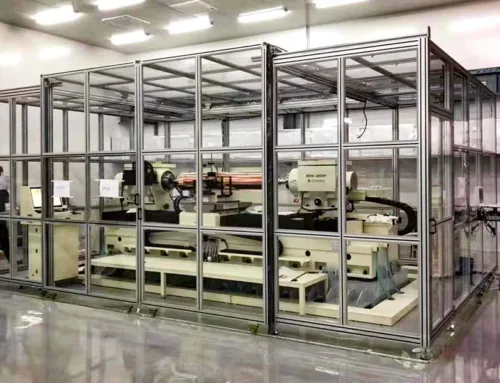
Temporary Isolation Fences
Construction sites are dynamic environments with a constant flow of workers, equipment, and materials. Safety and security are paramount, and one crucial element in achieving this is the use of Temporary Isolation Fences. These fences offer a range of benefits that contribute to the success of construction projects. In this article, we’ll explore the advantages of using Temporary Isolation Fences in construction.
Enhanced Safety
Safety is the top priority in any construction project. Temporary Isolation Fences provide a clear and visible barrier, keeping unauthorized personnel away from potentially hazardous areas. They prevent accidents, and injuries, and reduce the risk of liability for the construction company. By isolating dangerous zones, these fences contribute significantly to on-site safety.
Controlled Access
Temporary Isolation Fences allow for controlled access to the construction site. Only authorized personnel can enter the secured area, ensuring that the right people are in the right place at the right time. This controlled access helps prevent theft, vandalism, and other unauthorized activities on the site, saving both time and money.
Site Security
Construction sites are often targets for theft and vandalism due to the valuable equipment and materials present. Temporary Isolation Fences act as a strong deterrent to potential criminals. Their presence sends a clear message that the site is secure and monitored, making it less attractive to trespassers. This security feature can save construction companies significant financial losses.
Project Progress
Efficiency is crucial in construction, and Temporary Isolation Fences can contribute to the smooth progress of projects. By controlling access and preventing unauthorized entry, these fences reduce the likelihood of interruptions or delays due to accidents, theft, or vandalism. With fewer disruptions, construction projects can stay on schedule and within budget.
Environmental Protection
Construction projects often require environmental protection measures to prevent soil erosion, dust, and debris from affecting the surrounding areas. Temporary Isolation Fences can serve as an effective barrier to contain these elements, ensuring that the construction site does not harm the environment. This environmental responsibility can positively impact the project’s reputation and adherence to regulations.

Customizability
Temporary Isolation Fences come in various sizes and styles to meet the specific needs of each construction project. Whether you need high-security fences for a sensitive project or standard fences for basic site security, there are options available. Their customizability ensures that you can choose the most suitable fence for your construction site.
Cost-Effective Solution
Investing in Temporary Isolation Fences is a cost-effective solution for construction projects. They are a one-time expense that can save money in the long run by preventing accidents, theft, and damage. When you consider the potential costs of these incidents, the benefits of using these fences become even more apparent.
Compliance and Regulations
Many construction projects are subject to regulatory requirements for safety and security. Temporary Isolation Fences help construction companies meet these obligations by providing a visible and effective safety barrier. By adhering to regulations, construction projects can avoid fines and maintain a positive reputation.
Easy Installation and Removal
Temporary Isolation Fences are designed for easy installation and removal, making them a practical choice for construction sites. They can be set up quickly and removed when they are no longer needed. This flexibility ensures that they can be adapted to the changing needs of a construction project.
Conclusion
Temporary Isolation Fences are a valuable addition to any construction project, offering enhanced safety, controlled access, site security, and much more. Their customizability, cost-effectiveness, and compliance with regulations make them an ideal choice for construction companies looking to protect their workers, equipment, and assets while maintaining project efficiency.
Interlock Switch Mounting Without Drilling: Why Alfence T-Slot Posts End Phantom Stops
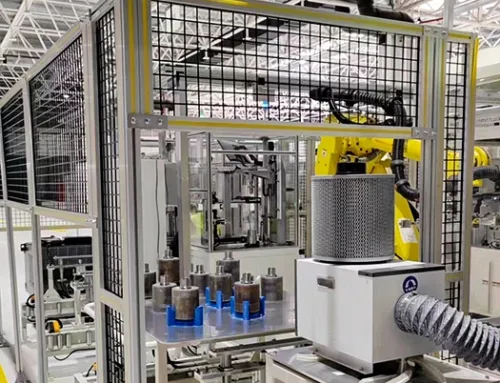
Bolting an interlock switch bracket through a powder-coated steel post drills the coating, drops swarf into the cell and leaves a rust line — and when the hinged leaf sags, the tongue misaligns and the PLC reports a phantom guard fault. Alfence mounts sensors, e-stops and conduit in the T-slot groove of a 40×40 mm or 45×45 mm aluminum post, with door hardware sized to keep the safety switch aligned.
Phantom Safe Torque Off Stops: T-Slot Guarding Fence Posts Mount Interlocks Without Drilling
Painted steel guarding posts force maintenance to drill for interlock switches, dropping swarf in the cell and breaking the coating where rust starts. Sagging hinge doors then misalign the interlock tongue and the PLC trips Safe Torque Off while the gate is closed. Alfence industrial safety fence mounts sensors, e-stops and cable routing into the T-slot aluminum profile post without drilling, and uses hinged, folding or sliding door frames that keep interlock geometry stable - protecting OEE through phantom stops and line changes.
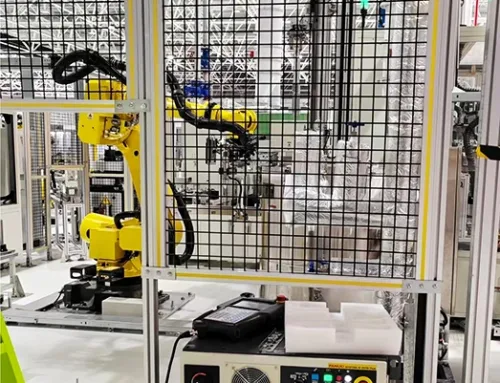
Automotive Plant Industrial Safety Fence: Keep the Robot Cell Close to the Hazard
Automotive plants cannot afford to lose production floor to an oversized machine guarding perimeter. Alfence combines 20×100 mm mesh with slim 40×40 mm or 45×45 mm aluminum posts for a compact, reconfigurable industrial safety fence layout, with final clearance confirmed by the project risk assessment.