EN
EN  DE
DE  RU
RU  PT
PT  JA
JA  ES
ES  IT
IT 
Flexible Safety Barriers
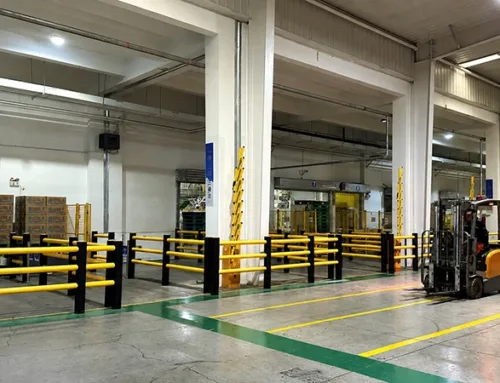
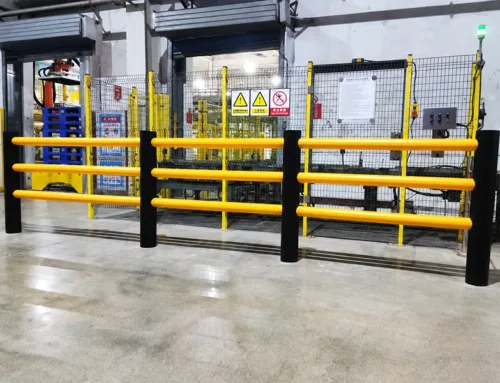
Flexible Safety Barriers are a revolutionary solution designed to enhance workplace safety. These versatile safety barriers are engineered to adapt to various industrial settings, providing exceptional protection for both workers and equipment. Their flexible design and robust construction make them a valuable addition to any workplace, reducing the risk of accidents and ensuring a safer work environment.
Key Features
1. Flexibility
One of the standout features of Flexible Safety Barriers is their adaptability. These barriers can be easily adjusted and configured to fit different spaces and layouts within your workplace. Whether you need to cordon off a hazardous area temporarily or create a permanent safety zone, these barriers can flexibly accommodate your requirements.
2. Durability
Constructed from high-quality materials, Flexible Safety Barriers are built to last. They are designed to withstand the rigors of industrial environments, including exposure to various weather conditions. Their durability ensures long-term effectiveness in enhancing workplace safety.
3. Quick Installation
Installing Flexible Safety Barriers is a hassle-free process. These barriers come with easy-to-follow instructions and require minimal tools for setup. You can have your safety zone up and running in no time, minimizing downtime and maximizing safety.
4. Visibility
Designed with safety in mind, these barriers are highly visible. Their bright colors and reflective strips make them easily noticeable, even in low-light conditions. Enhanced visibility helps prevent accidents and ensures that workers are aware of safety zones.
5. Portability
Flexibility extends to portability with Flexible Safety Barriers. You can easily move and reposition them as needed. This feature is particularly useful for dynamic work environments where safety zones may need to be adjusted frequently.

How They Work
Installation
Setting up Flexible Safety Barriers is a straightforward process. Begin by selecting the appropriate barrier sections and connectors. Snap the sections together to create the desired configuration, whether it’s a straight run, corner, or enclosure. Connectors ensure a secure fit, keeping the barrier in place.
Customization
Customizing the barriers to fit your specific needs is simple. You can adjust the length, height, and shape of the barrier to create a safety zone tailored to your workspace. This adaptability is one of the key advantages of Flexible Safety Barriers.
Applications
Flexible Safety Barriers find applications in a wide range of industries and settings, including:
- Manufacturing Facilities
- Warehouses
- Construction Sites
- Logistics Centers
- Retail Environments
- And More
Wherever workplace safety is a concern, these barriers can provide effective protection.
Conclusion
Flexible Safety Barriers offer a versatile, durable, and easy-to-install solution for enhancing workplace safety. Their flexibility, durability, and portability make them a valuable addition to any industrial or commercial setting. By investing in these barriers, you are taking a proactive step towards creating a safer work environment for your employees and protecting valuable equipment.
Self-Rebounding Barrier for Warehouse Floor Protection | FCBarrier
Self-Rebounding Barrier guidance for warehouse forklift aisles, where rigid steel rails can crack concrete, pull anchors, and turn impact damage into downtime. FCBarrier is positioned as a modular, energy absorbing barrier for live distribution centres and loading bays.
Impact Resistant Barrier for Forklift Aisles | FCBarrier Flexible Safety Barrier
Impact Resistant Barrier for forklift aisles, built to reduce residual force at the floor interface and prevent concrete damage, anchor pullout, and downtime.
ARMORFLEX Barrier for Cold Storage Safety: Polymer Guard Rails vs Steel
ARMORFLEX Barrier for cold storage safety: a corrosion-free Flexible Safety Barrier concept for chilled warehouses, food plants, and pharmaceutical sites—published with an honest note that the low-temperature version still needs validation.