IT
IT  EN
EN  DE
DE  RU
RU  PT
PT  JA
JA  ES
ES The production process of temporary metal fence posts

The production process of recinzione metallica temporanea posts typically involves the following steps:
-
-
- Material Selection: The first step is to select the appropriate materials for making the fence posts. Generally, the posts are made of steel or aluminum, as these materials are strong, durable, and resistant to weather and corrosion.
- Cutting: Once the material is selected, the metal sheets or bars are cut to the desired length and width using cutting tools such as saws or plasma cutters.
- Shaping: After the metal sheets or bars are cut to size, they are shaped into the desired profile for the fence post. This can be done using tools such as bending machines or rolling machines, which shape the metal into the required curvature.
- Punching Holes: Once the metal is shaped, the next step is to punch holes in the posts to attach fencing materials such as mesh, wire, or panels. The holes can be punched using a drill press or a specialized punching machine.
- Welding: After punching the holes, the fence post components are welded together to create the final structure. The welding process involves melting and joining the metal pieces using a welding machine or torch.
- Finishing: The final step is to apply a finish to the fence post to protect it from rust and corrosion. This can be done by painting, powder coating, or applying a protective coating to the surface of the post.
-
Once the finishing process is complete, the recinzione metallica temporanea posts are ready for use. These fence posts can be used for a variety of temporary fencing applications such as construction sites, outdoor events, or crowd control.
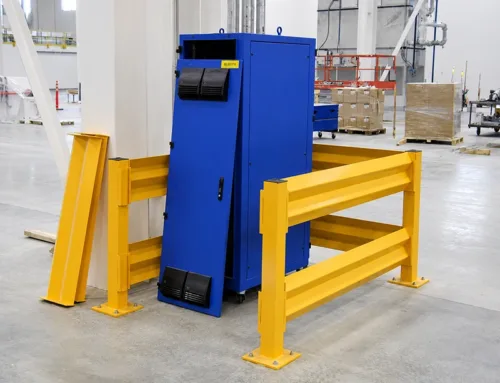
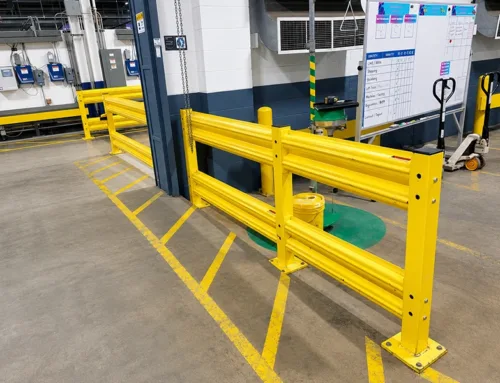
Barriera di sicurezza a trave tripla per la separazione fisica tra pedoni e MHE in magazzino
Quando carrelli elevatori e pedoni condividono un corridoio, la barriera di sicurezza Hsafety thrie beam crea un confine in acciaio visibile e ancorato. Il rivestimento giallo di sicurezza e l'eventuale nastro riflettente integrano sensori attivi e telecamere con una separazione passiva pedoni–MHE.
Barriera a onda per zone carrelli elevatori: crea una linea fisica tra persone e MHE
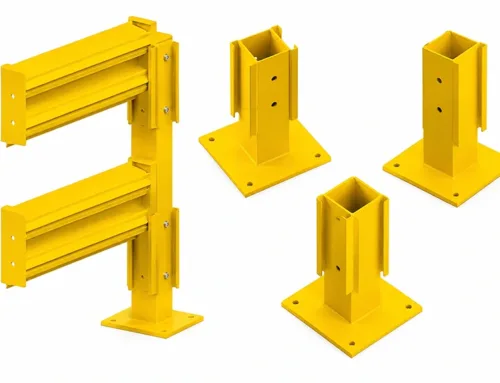
Quando pedoni e MHE condividono un percorso di magazzino, una barriera a onda crea uno strato di separazione passiva visibile e montato a pavimento. Scopri come Hsafety combina rotaie in acciaio ondulato, rivestimento di avvertenza giallo, nastro riflettente opzionale e ancoraggio modulare ingegnerizzato per la protezione dagli impatti dei carrelli elevatori.
Guardrail in acciaio a lamiera ondulata per la conformità dei magazzini a livello di rete
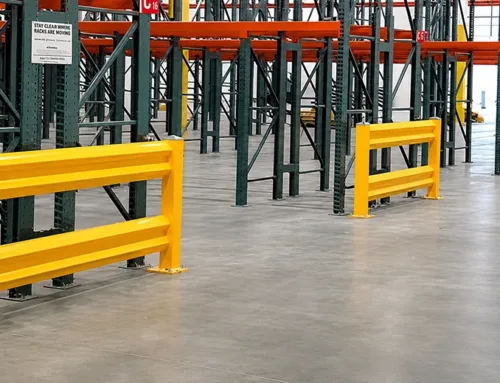
Per la responsabilità OSHA NEP ed ESG, le barriere di protezione in acciaio ondulato per magazzino offrono alle reti di distribuzione multi-sito una barriera passiva ripetibile per la protezione dagli impatti dei carrelli elevatori, la separazione pedoni-veicoli e la protezione dei beni.