IT
IT  EN
EN  DE
DE  RU
RU  PT
PT  JA
JA  ES
ES Recinzione a macchina
Safety Fence for Machinery on Explosive Scrap Dismantling Lines
When a dismantling line still carries residual fuel, oil, and metal dust, the safety fence for machinery has to do more than define a boundary. Mdfence is built for cold-work retrofit, so crews can assemble, remove, and rebuild the system without welding, cutting, or other hot work. That helps reduce fire risk, protects shutdown windows, and keeps layout changes from turning into scrap-value losses.
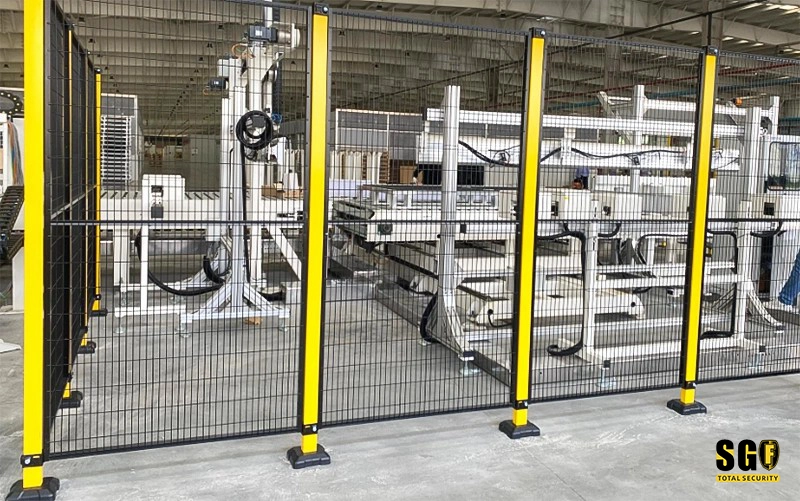
Why the retrofit method matters in a high-fire-risk zone
In car dismantling and metal recovery environments, the old fence problem is not the panel itself. It is the method. If a changeover requires welding, grinding, or torch cutting, the installation becomes a fire hazard before it becomes a guarding project. Mdfence uses an anti-drill, snap-fit connection approach designed for 100% cold work, so the line can be guarded without adding sparks to an already sensitive area. The same modular structure also lets the plant reconfigure the boundary when the line changes, instead of treating the old fence as disposable steel.
| Requisito | Risposta di Mdfence |
|---|---|
| Retrofit must not create sparks | Immune to welding and cutting during assembly, so the fence is installed as cold work from start to finish. |
| Shutdown time has to stay low | Fast on-site assembly shortens the stoppage window compared with conventional welded fencing. |
| Layout changes happen often | Modular panels can be dismantled and reconfigured without damage, which keeps the system in service across upgrades. |
| Capital equipment should retain value | Reusable modules raise asset recovery above 95% when the line is rebuilt or relocated. |
Three reasons Mdfence fits explosive scrap and dust-heavy operations
Cold-work installation eliminates hot-work exposure
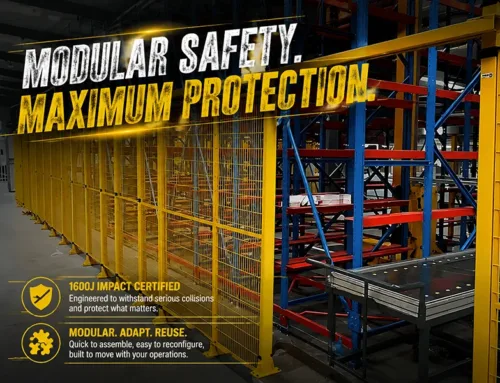
For a plant handling scrap cars, residual oil, or fuel traces, the install sequence matters as much as the guarding line. Mdfence avoids welding, drilling, and cutting on site, so the retrofit stays in the cold-work category. That keeps the fence build aligned with fire-prevention rules instead of fighting them. The first image captures this kind of line-level retrofit context, where the barrier is added without disrupting the basic safety posture of the area.
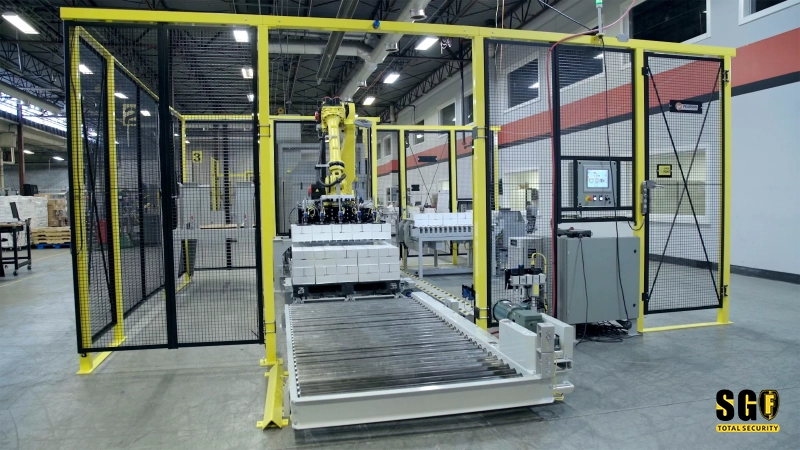
Modular connectors make changeovers practical
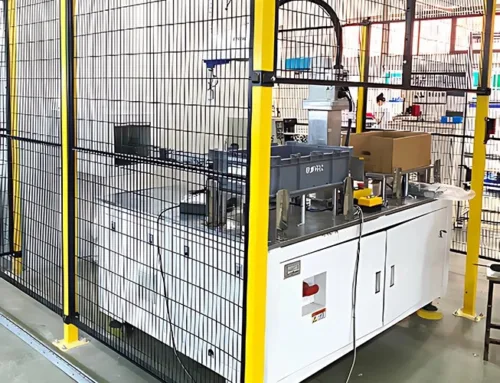
Frequent production changes are where traditional welded fences lose value. Once a barrier has been cut and reworked several times, the frame becomes a disposal item rather than an industrial asset. Mdfence is designed so the panels can be released, moved, and reassembled as the line evolves. That turns the guarding system into a reusable plant asset, not a one-time fabrication job. The connector detail image supports this point by showing how the system is built for repeat assembly instead of permanent damage.
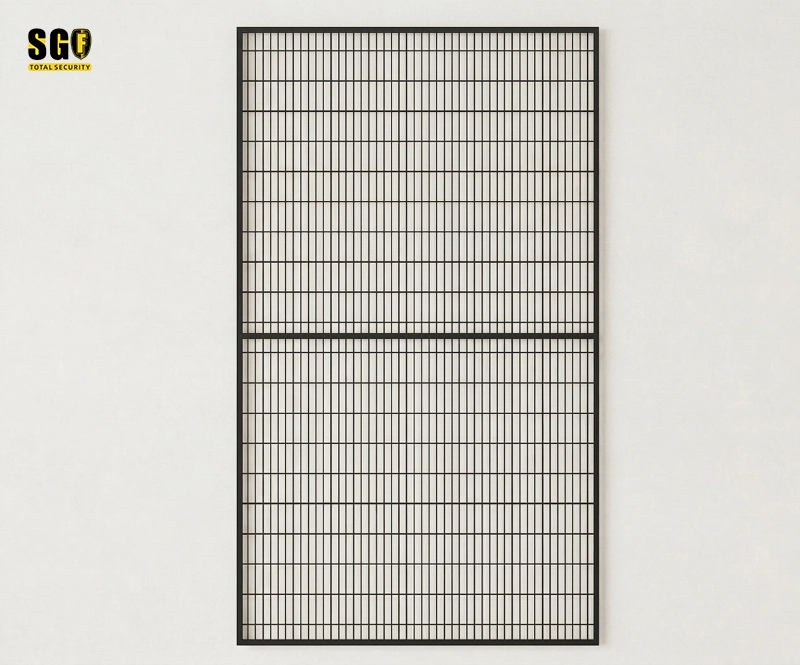
High reuse turns a fence into a recoverable asset
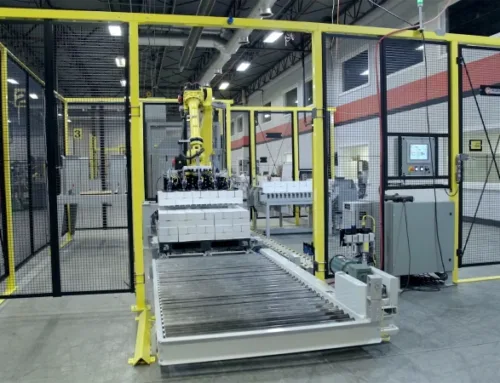
In a large multi-site operation, every reconfiguration has a cost. If the fence survives the redesign, the project budget stays focused on the line itself, not on replacing steel that still has life left in it. Mdfence supports repeated dismantling and rebuilds, with asset reuse above 95% in the right retrofit scenario. The modular system image reinforces that the fence is meant to be rebuilt around a new process map, which is exactly what frequent layout changes demand.
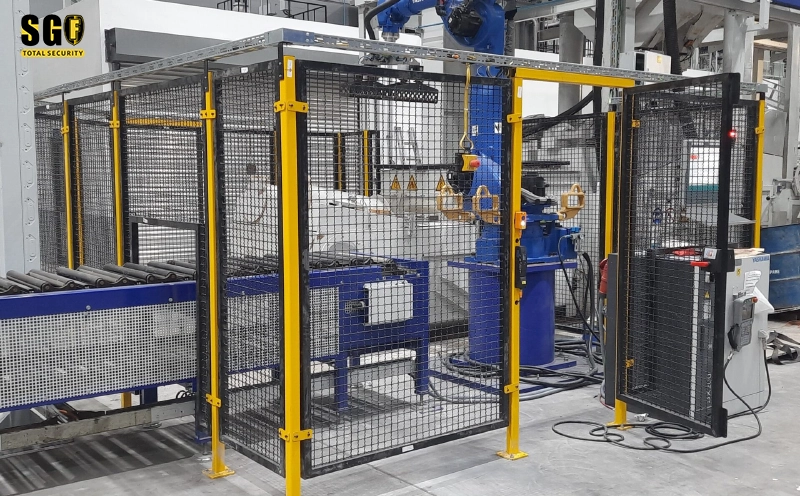
Where safety fence for machinery makes the most sense
- Scrap car dismantling areas with residual fuel, oil, and other ignition risks.
- Metal dust zones where hot work is restricted during guarding retrofit.
- Plants that change line layout often and cannot afford long shutdowns.
- Operations that want the fence itself to be reused instead of scrapped after every upgrade.
For these sites, the decision is simple: choose a fence that can be installed cold, removed cleanly, and rebuilt without wasting steel. Mdfence matches that operating model by combining modular panels, snap-fit connections, and high reuse value. That is why it fits explosive or fire-sensitive retrofit projects better than a traditional welded guard.
Cosa confermare prima di specificare la recinzione
Check the machine footprint, access points, evacuation routes, and how often the line will be reconfigured. If the answer points to repeated changeovers or high fire risk, a safety fence for machinery should be specified as a cold-work, modular system from day one. Mdfence is built for that job, so the plant gets guarding, speed, and reuse in one package.
Plan the retrofit without hot work
If your scrap line or dismantling hall cannot tolerate welding sparks, use a guarding system designed for cold assembly and future reconfiguration. Mdfence helps you protect the line now and reuse the same assets when the layout changes later.