IT
IT  EN
EN  DE
DE  RU
RU  PT
PT  JA
JA  ES
ES 
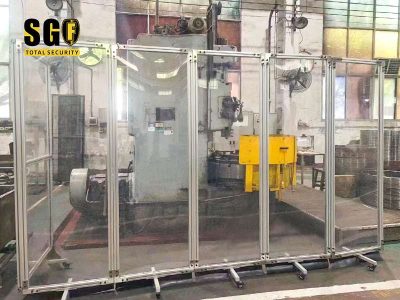
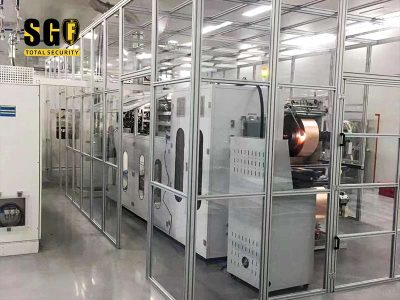
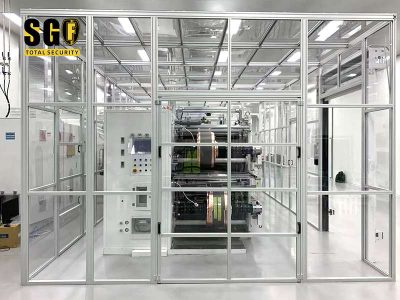
Innovative Aluminum Alloy Isolation Protection for Assembly Line Workshops
Prioritizing Worker Safety with Robotic Cell Isolation Systems
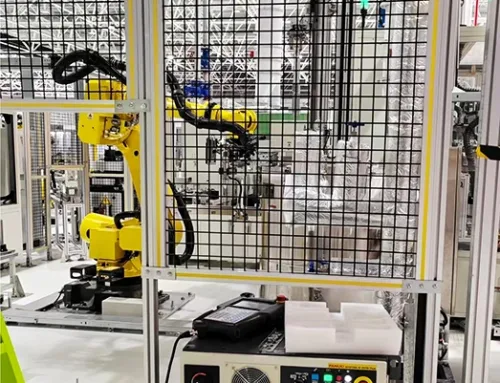
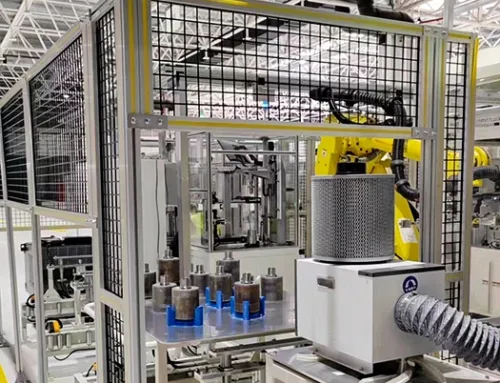
At SGF safting a secure work environment, and our innovative aluminum alloy robotic cell isolation system exemplifies this commitment. This adaptable solution provides comprehensive protection for our workers while maintaining optimal production efficiency.
Robotic Cell Isolation: A Multifaceted Approach to Safety
Our robotic cell isolation system goes beyond basic safety measures, offering a range of configurations to suit diverse production needs:
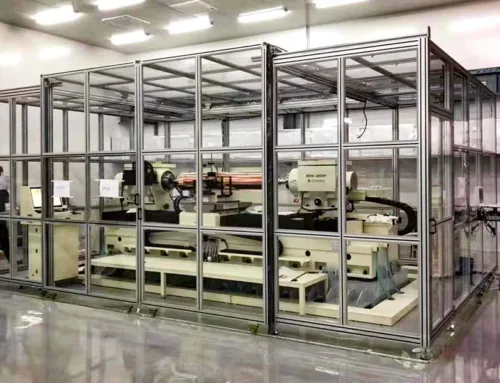
Fully Enclosed Customization: For processes requiring maximum isolation, the system can be fully enclosed, creating a secure barrier between robots and personnel. This is crucial for hazardous operations or applications involving sensitive materials.
Partial Protection with Controlled Access: For tasks requiring worker interaction, partial enclosures with controlled access points allow for safe collaboration between robots and human operators. This balanced approach ensures both safety and operational flexibility.
Adaptable Panel Replacement: The modular design allows for easy panel replacement and customization, enabling quick adaptation to changing production requirements. This flexibility minimizes downtime and maximizes the system’s lifespan.
Lightweight and Durable Aluminum Alloy Construction: The use of aluminum alloy offers a robust yet lightweight solution, simplifying installation and minimizing strain on existing infrastructure. This material is also highly resistant to corrosion, ensuring long-term durability.
The Importance of Robot Safety Systems
Investing in robust robot safety systems is essential for any business utilizing robotic automation. These systems not only protect workers from potential harm but also contribute to a more efficient and productive work environment.
Reduced Risk of Accidents: By creating physical barriers and controlled access points, robotic cell isolation systems significantly reduce the risk of accidents involving robots and human workers.
Improved Productivity: A safer work environment leads to increased worker confidence and reduced downtime due to accidents, ultimately boosting productivity and efficiency.
Compliance with Safety Regulations: Implementing robust safety measures ensures compliance with industry regulations and demonstrates a commitment to worker well-being.
Enhanced Operational Flexibility: Adaptable isolation systems, like our aluminum alloy solution, allow for seamless integration into various production processes and can be easily reconfigured to meet changing needs.
Case Study: Enhancing Safety in Automotive Assembly
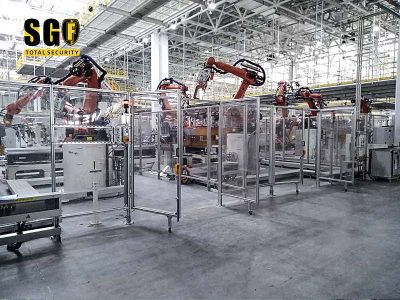
We recently implemented our robotic cell isolation system in an automotive assembly line, resulting in a 30% reduction in near-miss incidents. The customizable nature of the system allowed us to integrate it seamlessly into the existing workflow, minimizing disruption to production.
Domande frequenti
Q: What are the different enclosure options available? A: We offer fully enclosed, partially enclosed, and customizable options to suit various applications and safety requirements.
Q: How does the system accommodate maintenance tasks? A: The modular design allows for easy access to robots for maintenance and repairs, minimizing downtime.
Q: What safety certifications does the system comply with? A: Our system adheres to all relevant industry safety standards [Specify relevant standards, e.g., ISO 10218, ANSI/RIA R15.06].
By prioritizing safety and investing in innovative solutions like our aluminum alloy robotic cell isolation system, we are creating a more secure and productive work environment for our team. Contact us today to learn more about how our robotic safety solutions can benefit your business.
Did you know that our assembly line workshop utilizes an aluminum alloy isolation protection scheme between robots to ensure the safety of our workers? This innovative system allows for fully enclosed customization, partial protection, and even panel replacement to meet the specific needs of each production process. Ensuring the safety of our team is a top priority at our company, and we are constantly striving to improve and innovate in all areas.
Interlock Switch Mounting Without Drilling: Why Alfence T-Slot Posts End Phantom Stops
Bolting an interlock switch bracket through a powder-coated steel post drills the coating, drops swarf into the cell and leaves a rust line — and when the hinged leaf sags, the tongue misaligns and the PLC reports a phantom guard fault. Alfence mounts sensors, e-stops and conduit in the T-slot groove of a 40×40 mm or 45×45 mm aluminum post, with door hardware sized to keep the safety switch aligned.
Phantom Safe Torque Off Stops: T-Slot Guarding Fence Posts Mount Interlocks Without Drilling
Painted steel guarding posts force maintenance to drill for interlock switches, dropping swarf in the cell and breaking the coating where rust starts. Sagging hinge doors then misalign the interlock tongue and the PLC trips Safe Torque Off while the gate is closed. Alfence industrial safety fence mounts sensors, e-stops and cable routing into the T-slot aluminum profile post without drilling, and uses hinged, folding or sliding door frames that keep interlock geometry stable - protecting OEE through phantom stops and line changes.
Automotive Plant Industrial Safety Fence: Keep the Robot Cell Close to the Hazard
Automotive plants cannot afford to lose production floor to an oversized machine guarding perimeter. Alfence combines 20×100 mm mesh with slim 40×40 mm or 45×45 mm aluminum posts for a compact, reconfigurable industrial safety fence layout, with final clearance confirmed by the project risk assessment.