IT
IT  EN
EN  DE
DE  RU
RU  PT
PT  JA
JA  ES
ES 
Roof guardrail installation is the process of fitting a protective railing system along the edges of a roof to enhance safety and prevent accidents. This safety equipment is designed to create a barrier that keeps workers and maintenance personnel safe while working on rooftops. It offers peace of mind by reducing the risk of falls and ensuring compliance with safety regulations.
Key Features of Roof Guardrail Installation

Sicurezza migliorata
The primary function of roof guardrail installation is to enhance safety. It provides a sturdy and secure barrier that prevents accidental falls from rooftops, reducing the risk of injuries or fatalities. The guardrail system is designed to withstand various weather conditions and is made from durable materials for long-lasting protection.
Installazione semplice
Our roof guardrail installation system is designed for easy and quick installation. It comes with clear instructions and all the necessary components, allowing for hassle-free setup. This means less downtime and more time spent on productive work.
Design personalizzabile
We understand that different roofs have unique requirements. That’s why our roof guardrail installation system offers customization options. You can choose from various heights, materials, and configurations to ensure the guardrail suits your specific needs and roof structure.
How Does Roof Guardrail Installation Work?
Roof guardrail installation typically involves the following steps:
- Assessment: Evaluate the roof and determine the ideal locations for installing the guardrails.
- Anchor Points: Secure anchor points to the roof’s surface using appropriate fasteners.
- Railing Installation: Attach the guardrail sections to the anchor points, ensuring a secure fit.
- Testing: Conduct a thorough inspection and testing to ensure the guardrail system is stable and meets safety standards.
Applications of Roof Guardrail Installation
Roof guardrail installation is essential in various industries and situations, including:
- Construction Sites: Protecting workers on elevated structures.
- Industrial Facilities: Ensuring safety during rooftop maintenance.
- Commercial Buildings: Compliance with safety regulations for rooftop access.
- Residential Roofing: Safeguarding maintenance personnel during repairs.
Conclusione
Roof guardrail installation is a crucial safety measure for anyone working at heights. It offers enhanced safety, easy installation, and customization options, making it an ideal choice for various industries and applications. Invest in roof guardrail installation to protect your workers and ensure a secure working environment.
Interlock Switch Mounting Without Drilling: Why Alfence T-Slot Posts End Phantom Stops
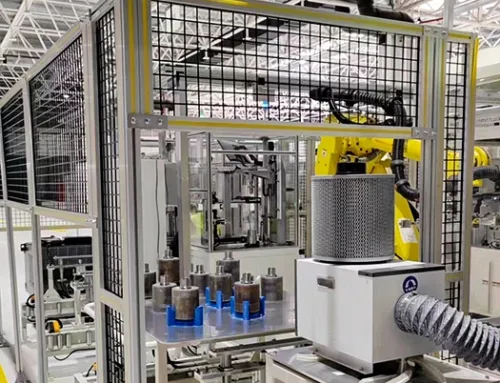
Bolting an interlock switch bracket through a powder-coated steel post drills the coating, drops swarf into the cell and leaves a rust line — and when the hinged leaf sags, the tongue misaligns and the PLC reports a phantom guard fault. Alfence mounts sensors, e-stops and conduit in the T-slot groove of a 40×40 mm or 45×45 mm aluminum post, with door hardware sized to keep the safety switch aligned.
Phantom Safe Torque Off Stops: T-Slot Guarding Fence Posts Mount Interlocks Without Drilling
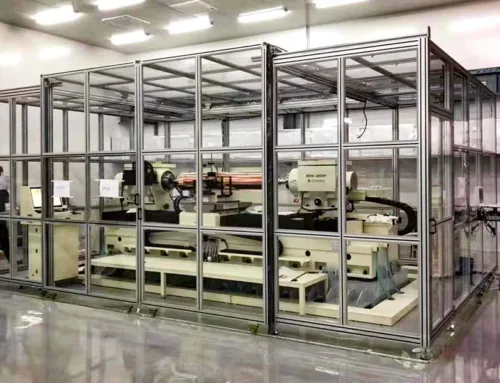
Painted steel guarding posts force maintenance to drill for interlock switches, dropping swarf in the cell and breaking the coating where rust starts. Sagging hinge doors then misalign the interlock tongue and the PLC trips Safe Torque Off while the gate is closed. Alfence industrial safety fence mounts sensors, e-stops and cable routing into the T-slot aluminum profile post without drilling, and uses hinged, folding or sliding door frames that keep interlock geometry stable - protecting OEE through phantom stops and line changes.
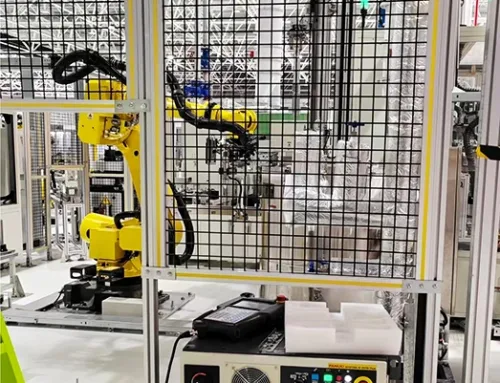
Automotive Plant Industrial Safety Fence: Keep the Robot Cell Close to the Hazard
Automotive plants cannot afford to lose production floor to an oversized machine guarding perimeter. Alfence combines 20×100 mm mesh with slim 40×40 mm or 45×45 mm aluminum posts for a compact, reconfigurable industrial safety fence layout, with final clearance confirmed by the project risk assessment.