IT
IT  EN
EN  DE
DE  RU
RU  PT
PT  JA
JA  ES
ES Recinzione di sicurezza industriale
Industrial Safety Fencing for Cube-Based Storage
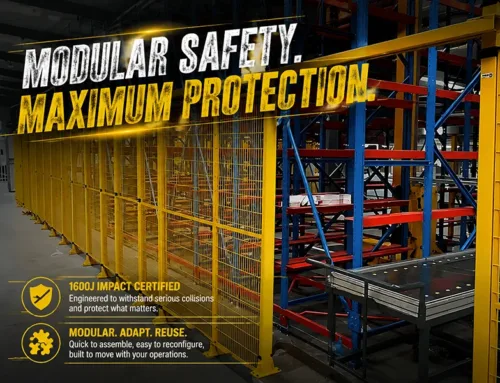
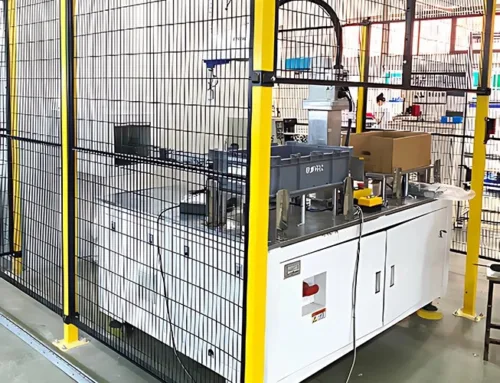
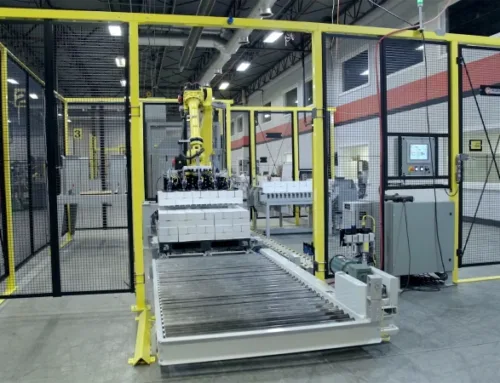
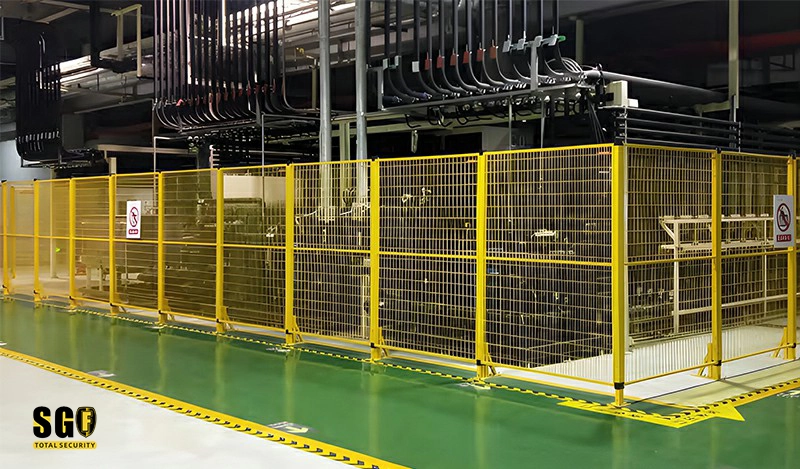
When a cube-based storage team tries to squeeze every usable inch out of the plant, the safety fence becomes a footprint decision, not just a compliance item. Mdfence uses a 20×100 mm anti-probe narrow aperture and supports 120 mm close installation, helping automation cells stay compact without turning the perimeter into dead space.

Why the fence line matters in compact automation cells
The usual problem is simple: the machine is fixed, the code distance is fixed, and the fence is forced to sit far away from the hazard. With conventional wide-aperture mesh, the barrier can be easier to breach, so planners lose valuable floor area to unnecessary setback. Mdfence is built for the opposite goal: keep the safe boundary tight, maintain a serious physical barrier, and preserve the usable cube around the automation system.
| Requisito di progetto | Risposta di Mdfence |
|---|---|
| Minimize dead space around automation | 20×100 mm anti-probe narrow aperture supports close-in guarding and helps reduce unusable perimeter area. |
| Keep safety distance under control | Designed for 120 mm close installation so the fence can sit near the machine rather than consuming the aisle. |
| Defend the cell against reach-in risk | The narrow opening blocks casual hand access better than common wide-pitch mesh, improving boundary discipline. |
| Protect the footprint score in bidding | Smaller perimeter means a more compact system layout, which is easier to justify in cube-based storage proposals. |
Structure details that make the close layout possible
Micro narrow aperture for anti-probe guarding
Mdfence uses a 20×100 mm opening pattern, which is the key reason the fence can be planned closer to hazardous equipment without turning the perimeter into a soft target. For high-density automation, that matters more than a standard panel spec. The geometry is the first line of defense, and it is also the first reason the layout stays compact.

Installation hardware that locks the line down
The installation method is part of the product performance. The base plate, drilling pattern, expansion bolts, and retaining rings shown here explain how the fence line stays fixed when the cell is built tight against the machine envelope. That is what lets a tight boundary remain a stable boundary.
Panel and clamp layout that keeps the system readable
The technical front view makes the structure easy to verify: posts, mesh panels, and fixing clamps are all visible. That helps engineers and site teams confirm the installed fence matches the planned boundary, which is important when every millimeter counts around a high-value automation line.

Where this layout wins
- Cube-based storage cells where the perimeter must stay compact and the aisle must remain usable.
- Automation projects that lose too much footprint to conventional safety setbacks.
- Bid packages where the safety boundary must support a stronger space-utilization score.
- Machine cells that need a visible, tight, and mechanically credible fence line.
In practice, this is why a cube-based storage integrator can keep the system footprint smaller without compromising the safety envelope. The fence is not added after the layout is finished; it is part of the footprint strategy from the start. For teams that need to defend every square meter, that difference shows up in the final proposal, the install plan, and the operating aisle width.
What to confirm before you freeze the fence layout
Check the machine envelope, the usable aisle width, the required safety distance, and whether the line needs close installation around the hazard. If the project is trying to recover dead space around a dense automation cell, the 20×100 mm aperture and 120 mm close-in placement are the two details that should be reviewed first.
Move the safety line closer and keep the footprint lean
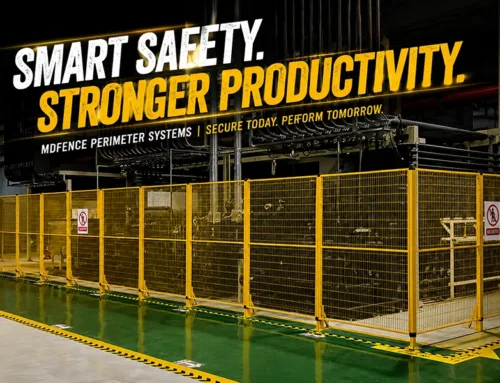
Industrial Safety Fencing should protect the machine without stealing floor area. If your project is fighting the usual tradeoff between safety distance and space efficiency, Mdfence gives you a tighter boundary, a cleaner layout, and a better basis for the final proposal.