JA
JA  EN
EN  DE
DE  RU
RU  PT
PT  ES
ES  IT
IT 
ルーフガードレール
ルーフガードレール are crucial safety components for any elevated work or access areas. Ensuring that they can safely support the necessary personnel and equipment is of paramount importance. In this detailed guide, we will explore the weight capacity limitations of Roof Guardrails and provide insights on how to guarantee their safe and effective use.
Understanding Roof Guardrails
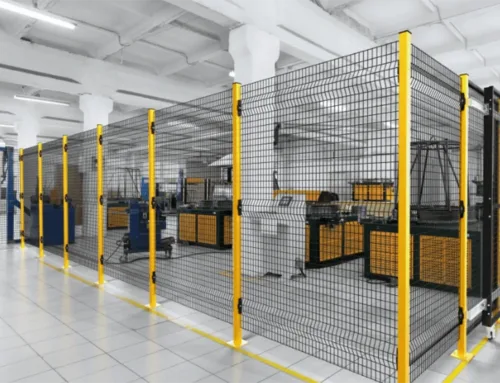
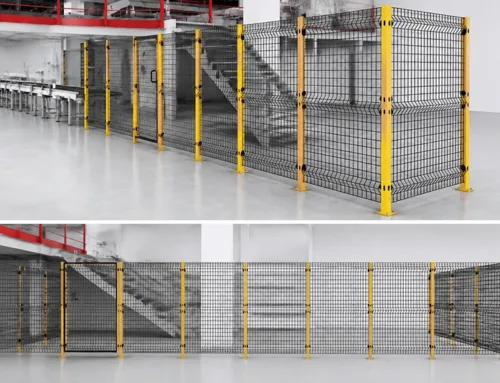
ルーフガードレール are engineered safety systems designed to prevent falls from rooftops, mezzanines, or other elevated areas. They typically consist of durable materials like steel or aluminum and are strategically installed around the roof perimeter, creating a protective barrier.
Weight Capacity Limitations
Roof Guardrails, like any safety equipment, have specific weight capacity limitations. These limitations are determined by factors such as the materials used, design, and installation. It’s essential to be aware of these limitations to ensure the safety of both personnel and equipment. Roof Guardrails typically have the following weight capacity considerations:
Personnel Weight
The weight capacity of Roof Guardrails is primarily designed to accommodate the weight of personnel who may lean or accidentally apply pressure against the railings. Standard Roof Guardrails can typically support the weight of an average person without any issues.
Equipment Weight
When it comes to equipment, the weight capacity of Roof Guardrails should be carefully considered. Equipment such as tools, ladders, or maintenance machinery may exceed the weight limit of the guardrails. In such cases, it’s crucial to assess whether additional supports or platforms are needed to distribute the weight effectively.
Dynamic Loads
ルーフガードレール should also account for dynamic loads, which involve sudden forces or impacts. For example, a person slipping and hitting the guardrail with force or a tool dropping against it can create dynamic loads. Guardrails should be engineered to withstand such scenarios.
Ensuring Safety
To ensure the safety of personnel and equipment while using Roof Guardrails, consider the following steps:
Regular Inspections
Regular inspections of Roof Guardrails are essential to identify any signs of wear, damage, or corrosion that might affect their strength and stability. Guardrails should be inspected at least annually or more frequently if there are visible signs of damage.
Proper Installation
ルーフガードレール should be installed by trained and certified professionals who follow the manufacturer’s guidelines. Proper installation ensures that the guardrails are structurally sound and can support their designated weight capacity.
Use of Additional Supports
If you anticipate equipment or materials that may exceed the guardrails’ weight capacity, consider using additional supports or platforms to distribute the weight more evenly. This can help prevent overloading the guardrails.
Training and Awareness
Ensure that personnel are adequately trained and aware of the limitations and safe usage of Roof Guardrails. This includes understanding weight capacity and the potential risks of overloading.

結論
ルーフガードレール are indispensable safety features for any work area with elevated risks. Understanding their weight capacity limitations and taking the necessary precautions can significantly enhance safety and prevent accidents. Regular inspections, proper installation, and informed usage are the keys to ensuring that Roof Guardrails can effectively support personnel and equipment safely.
食品・飲料ライン再構成:Mefenceフレームレス安全フェンスが工場ゾーニングを再利用可能な資産に変える方法
SKUライフサイクルが短く、生産ラインの変更が頻繁なため、溶接パーティションは廃棄するのが高コストです。Mefenceフレームレス3D産業用安全フェンスは、クリップ固定モジュール、現場切断、再利用可能なコンポーネントを使用し、倉庫ゾーニング、機械ガード、歩行者・車両分離に対応します。.
食品・飲料ライン再構成:Mefenceが産業用安全フェンスを再利用可能な資産に変える方法
SKUライフサイクルの短縮により、食品・飲料工場は生産ゾーンを再設計せざるを得ません。Mefenceフレームレス3D産業用安全フェンスは、レイアウト変更に応じて解体、現場切断、移動、再利用が可能です。.
食品・飲料ライン再構成:Mefence安全フェンスを再利用可能な工場資産に変える
季節性SKUやパイロットランが食品・飲料の生産レイアウトを繰り返し変更する場合、Mefence安全フェンスは溶接固定のゾーニングを、解体、現場切断、再利用が可能なフレームレス・モジュール式バリアに置き換えます。.