JA
JA  EN
EN  DE
DE  RU
RU  PT
PT  ES
ES  IT
IT 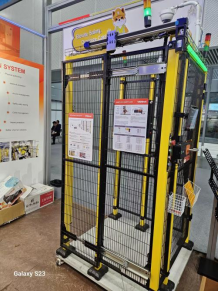
Published September 22, 2025
As the head of safety and procurement for a busy manufacturing plant for several years, dealing with fences was a constant headache. With assembly lines moving at high speed and forklifts zipping around, safety is paramount. But the budget is always tight. I’ve been through plastic, iron, and steel options, spending a lot of money and enduring a lot of stress. I finally learned that you have to calculate the true cost of a 安全フェンス工業 solution, or you’ll pay for it in the long run.
Does this sound familiar? The workshop machines are roaring, and you’re worried—are my people safe? Is the equipment protected? Are we compliant with inspections? The market is full of fencing options. The cheap ones aren’t reliable, and the expensive ones seem prohibitive. I’ve made the mistakes so you don’t have to. Today, I’ll share my experience to help you avoid the same costly detours.
Plastic Fences: A Cheap Fix That Cost Me Dearly
Initially, trying to save money, I opted for a plastic fence. A 650-foot installation cost only about $2,850. It was lightweight and looked decent. I thought I’d made a smart move. But within six months, a forklift clipped it, and it shattered. A worker was nearly caught in the accident. The repair cost $140 and caused a 30-minute work stoppage, with a major client from Ohio calling to press us on their delivery. That was the first red flag; this fence wasn’t going to stop anything serious.
Sure enough, over two years, it was hit five times, costing $700 in repairs. By the end of the second year, it was so brittle it was useless, and we had to spend another $2,850 to replace it. That’s a total of over $5,700 spent. The breakdown: $5,700 for 650 feet over two years is $2,850 per year. It seems cheap upfront, but the constant repairs and downtime were exhausting. More importantly, if it failed to protect someone, the fines, production halts, and potential job loss were a terrifying reality.
Iron Fences: Tougher, But a Rust and Maintenance Nightmare
After the plastic fiasco, I switched to an iron fence, thinking stronger had to be better. It cost about $5,700 for 650 feet. It looked solid, and when a forklift hit it, the fence only got a dent. I was relieved. But within two years, the damp environment of the plant caused significant rusting. It became an eyesore and a hazard. An OSHA inspector came by, took one look, and frowned, saying, “This won’t pass inspection for much longer.” We had to spend $850 on rust removal and repainting three times. Over three years, the total cost ballooned to nearly $8,500.
On paper, it seemed more economical than plastic, but the maintenance was a killer. The forklift impacts, though not breaking the fence, still required repairs and downtime, costing us a day of production and about $700 in losses. I had nightmares about a rusted section collapsing and damaging our equipment—a potential $14,000 repair bill.
Steel Fences: The Investment That Finally Paid Off
After two failed attempts, I consulted with a veteran purchasing agent. “Try a Q235 steel modular fence,” he advised. “It’s tough enough to handle impacts and built to last.” I was skeptical but invested in a steel assembly fence. It cost about $11,400 for 650 feet, which felt steep. But after installation, I realized it was money well spent.
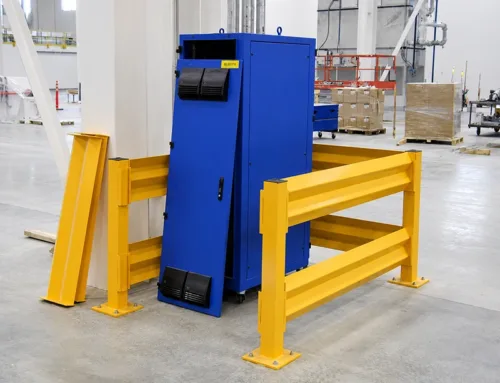
In the first six months, our forklifts hit it three times—a missed turn, a drowsy driver, an overloaded pallet. Each time I braced for the worst, but the 安全フェンス工業 system held strong with barely a scratch. I calculated the savings: $0 in repair costs, $0 in downtime. After two years, despite the moisture, there was no rust. It looked as good as new. After five years of service, the annual cost is $11,400 ÷ 5 = $2,285 per year. That’s a saving of over $1,400 a year compared to iron and more compared to plastic. The safety inspector came twice, saw our compliance reports, and nodded in approval. “No issues here.”
The Detailed Cost Breakdown: Choosing Wrong vs. Choosing Right
Let’s review the true costs:
- プラスチック・フェンス:
- Initial Cost: $2,850 for 650 ft.
- Total Spent (2 years): ~$5,700 (with replacement).
- Annual Cost: $2,850.
- Hidden Costs: ~$2,800 in downtime, huge equipment risk, and safety violation fines.
- My Takeaway: Cheap upfront, but stressful and costly in the end.
- 鉄柵:
- Initial Cost: $5,700 for 650 ft.
- Total Spent (3 years): ~$8,500 (with maintenance).
- Annual Cost: ~$2,830.
- Hidden Costs: ~$700 in downtime, rust-related replacement costs, and potential fines.
- My Takeaway: Tough, but the high maintenance and hidden risks make it a poor choice.
- スチール・フェンス
- Initial Cost: $11,400 for 650 ft.
- Total Spent (5 years): $11,400 (no repairs).
- Annual Cost: $2,285.
- Hidden Savings: $0 in downtime, equipment protected (saving ~$14,000+), and passed all inspections (avoiding ~$7,000+ in fines).
- My Takeaway: A higher initial investment that provides peace of mind and saves over $21,000 in potential costs.
Why Steel Was the Smartest Financial Decision
The steel fence saved us money and worry for a few key reasons:
- Rock-Solid Impact Resistance: It withstands forklift impacts without damage. Maintenance cost is virtually zero.
- Durability and Rust-Proofing: The powder-coating process prevents rust, even in our damp facility. It lasts for years without needing attention.
- OSHAコンプライアンス: It meets safety standards, eliminating the risk of fines and production stoppages.
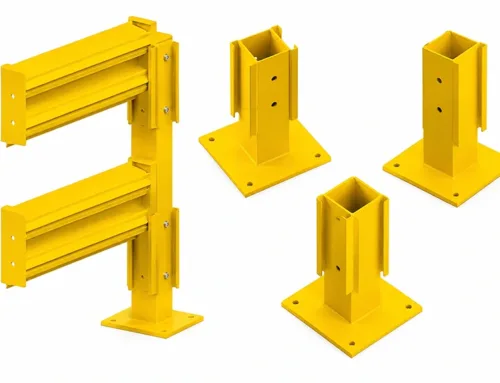
- Fast, Modular Installation: The assembled design meant our 650 feet were installed in three days, minimizing operational disruption.
My Final Thoughts: Don’t Compromise on Safety or Your Budget
Standing in a busy workshop, you can’t afford to wonder if your fence will hold. I learned the hard way that the cheapest option is rarely the most cost-effective. A quality steel fence is hard, durable, and passes inspection. By spending $11,400, I saved my company an estimated $21,000 and gained invaluable peace of mind. The next time you choose a fence, will you calculate the true cost?