JA
JA  EN
EN  DE
DE  RU
RU  PT
PT  ES
ES  IT
IT 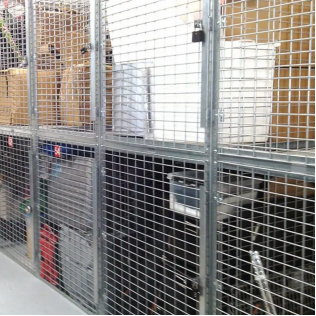
Every seasoned property manager knows the smell. It’s the distinct, unmistakable scent you’re met with the moment you open the door to a rarely-used basement closet or utility room. It’s that wave of cool, damp, musty air—a smell that signals something more than just a lack of freshness. It’s a warning.
For years, we’ve treated this as an accepted quirk of below-grade spaces. But when we decide to convert these areas into tenant storage, that smell is no longer a quirk; it’s a significant financial and legal liability waiting to happen. In our rush to provide a secure and spacious amenity, we often overlook the most insidious threat to our tenants’ property: the very air inside the units themselves.
This isn’t a conversation about air fresheners. It’s a critical look at how overlooking the simple principle of ventilation can turn your well-intentioned project into a source of conflict, damage, and long-term headaches.
Understanding the Enemy: The Inescapable Science of Basement Humidity
Before we can solve the problem, we must respect the environment. Basements are naturally prone to higher humidity for a few simple reasons. They are surrounded by soil, which contains moisture that can slowly permeate through porous concrete walls. The cool temperature of these foundation walls causes condensation, pulling moisture out of the air. And, unlike the floors above, they have no windows for natural light or air exchange.
This creates a stable, cool, and damp microclimate—the perfect breeding ground for mold, mildew, and biological growth. For the items tenants are most likely to store—cardboard boxes, wooden furniture, family photo albums, seasonal clothing, and even electronics—this environment is a silent killer. Cardboard weakens and collapses, fabrics develop irreversible mildew stains, and wood can warp. A sealed, unventilated storage unit in a basement isn’t a closet; it’s a terrarium for decay.
The Conventional Solution and Its Fatal Flaw
Faced with an open basement, the most common instinct is to “clean it up” by building traditional drywall rooms. The logic seems sound: create individual, private, sealed spaces. But in doing so, you inadvertently create a much bigger problem.
When you build a solid-walled room in a basement, you are essentially constructing a sealed box. You’ve isolated it from any ambient air movement and, more importantly, from the building’s central HVAC and dehumidification systems that work to keep the overall environment stable. You have effectively trapped the natural basement humidity inside the unit, right alongside your tenants’ most cherished belongings.
I once consulted with a manager of a beautiful, high-end apartment building in Chicago. They had invested heavily in creating what they marketed as “premium, secure storage rooms” with solid walls and heavy doors. A year later, a tenant who was moving out opened their unit to retrieve their belongings. They were met with a heartbreaking scene: family photo albums were fused together by mildew, an antique wooden dresser was covered in a fine layer of green mold, and a collection of designer clothes was ruined. The “premium” amenity had become the source of an intense dispute and a sizable insurance claim. Their attempt to provide a quality service had backfired completely because they had ignored the air.
The True Cost of a Bad Environment
The consequences of poor ventilation go far beyond a musty smell.
- Financial Costs: You will eventually face claims from tenants for damaged property. You may have to refund months of storage rent. If mold becomes significant, you could be looking at professional remediation costs for the units themselves.
- Reputational Costs: In a multi-family building, word travels instantly. Once a few tenants have a bad experience, the entire storage area gets a reputation for being damp and destructive. Your valuable amenity becomes impossible to rent out, and the negative sentiment can even impact tenant renewals.
- Health & Legal Costs: This is the most serious risk. Certain types of mold are recognized health hazards. Providing a space where such mold can flourish opens the property owner to potential liability if a tenant claims respiratory or other health issues related to the environment you created and charged them for.
The Only Real Solution: The Principle of Active Airflow
You cannot fight the fundamental nature of a basement. You must work with it. The only way to combat a damp, stagnant environment is with constant, unimpeded air circulation. The goal is to ensure the air inside the storage unit is the same quality as the air outside it, allowing the main building’s air handling systems to do their job effectively.
This means the ideal solution is a system of 保管用セキュリティ・ケージ that intelligently eliminates the concept of a sealed box altogether. It should not be a wall against the environment, but rather a secure container that allows the building’s atmosphere to flow freely through it, protecting belongings without trapping destructive moisture.
More Than Storage, It’s Stewardship
When you offer to store a tenant’s property for a fee, you are taking on a degree of stewardship. It’s your responsibility to provide an environment that will protect, not harm, their belongings. Using the right kind of ventilated 保管用セキュリティ・ケージ is a key part of this responsibility.
Before you make any final decisions on your basement project, ask this one simple question of any proposed solution: “How does this design manage air?” The answer will reveal whether you are investing in a sustainable, long-term asset for your property or simply creating a future of complaints and costly remediation. Protecting your tenants’ belongings isn’t just good customer service; it’s fundamental risk management.