EN
EN  DE
DE  RU
RU  PT
PT  JA
JA  ES
ES  IT
IT Precision manufacturing retrofit | cold-work installation
Machine safety fence for dust-free cold-work retrofits in precision bearing cells
When a semi-conductor or precision instrument plant needs a machine safety fence, the real requirement is not only guarding. It must be installed by cold work, keep dust and sparks out of the room, and let nearby equipment keep running.
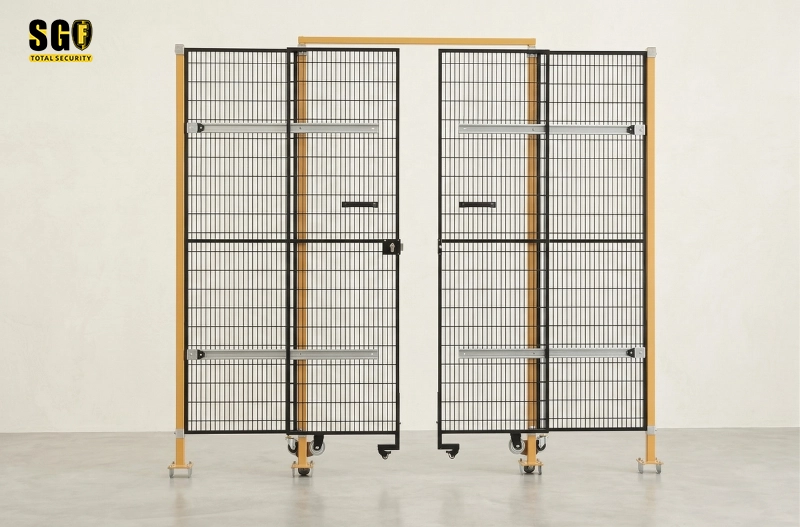
Why precision workshops choose machine safety fence systems instead of welded guards
For manufacturers of needle roller bearings and linear guides, the problem is not just access control. The problem is contamination control. Traditional on-site welding creates sparks, spatter, and metal dust, so the area must often be cleared and stopped before the guard can even be installed. A modular machine safety fence changes that sequence. It lets the upgrade happen around the live production environment instead of forcing the production environment to move.
| Buyer concern | Mdfence response |
|---|---|
| Can this be installed without hot work? | Yes. The system uses modular clamp-ring and hex-screw connections, so no drilling or welding is needed inside the factory. |
| Will the area stay clean during installation? | Yes. Cold-work assembly avoids sparks, spatter, and weld dust, which helps protect clean production rooms. |
| Can nearby machines keep operating? | Yes. The install sequence is compact and controlled, so surrounding precision equipment can remain online. |
| How fast is the upgrade? | Installation is typically 40% to 70% faster than a welded field-built barrier. |
Structure evidence behind the machine safety fence
Cold-work modular assembly
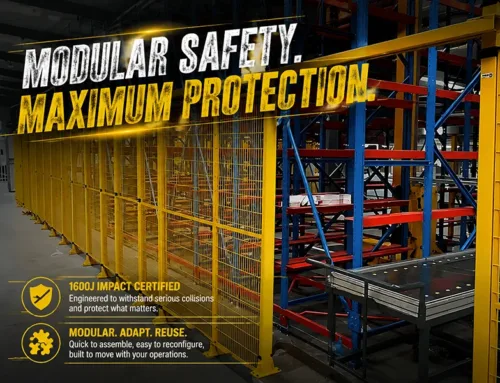
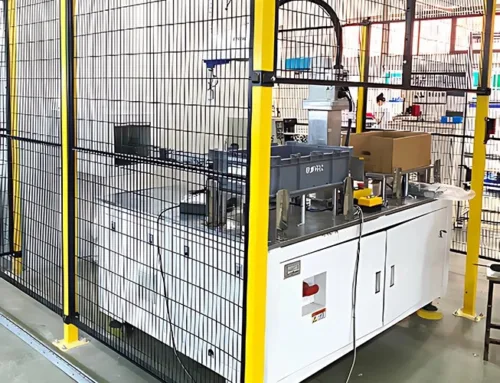
The first reason this machine safety fence fits a precision workshop is simple: the assembly method matches the workshop rules. The structure is put together with clamp rings and hex screws, which means the frame can be assembled without generating the dust and heat that come with cutting and welding. That is the key difference between a production-friendly safety upgrade and a shutdown-heavy civil job.
Tight modular closure at the corners
The fence must do more than stand in a line. It must close the perimeter cleanly, especially where traffic lanes and machine cells intersect. The corner detail shows how the post and top beam lock the perimeter into a continuous boundary. That matters in a cleanroom-style workshop because there is less chance of loose edges, rework, or improvisation during installation.
Enclosure logic for controlled production zones
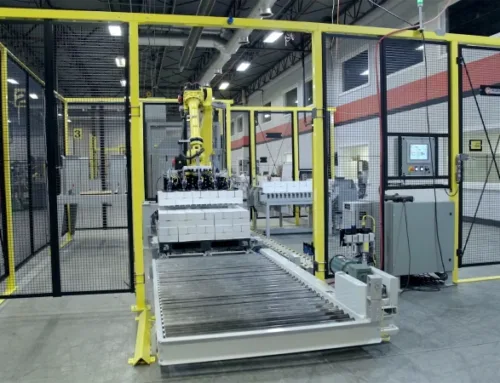
Precision parts production often needs a defined working envelope, not just a loose perimeter. The square enclosure view demonstrates how the fence can wrap an isolated work area and keep the internal process separate from surrounding operations. That makes the machine safety fence useful for retrofits where the customer needs safety, cleanliness, and order in the same move.
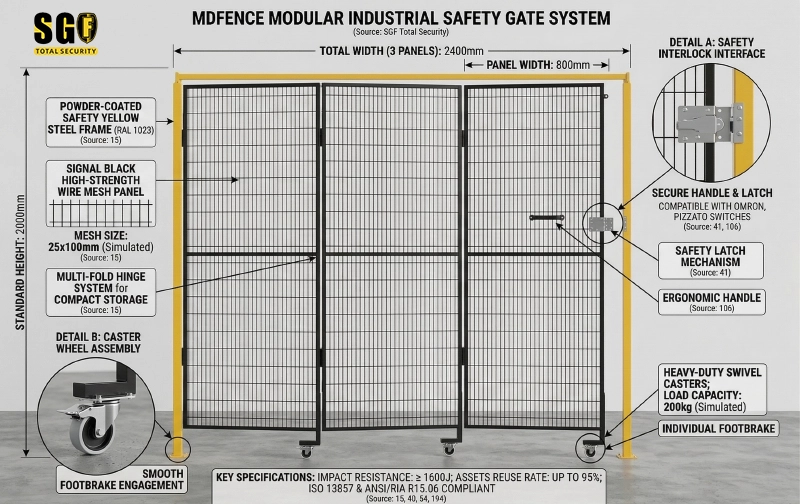
Where this machine safety fence is the right fit
- Semiconductor-related assembly zones that cannot tolerate welding residue.
- Precision bearing and guide rail workshops with strict dust control rules.
- Live factories that need a safety upgrade without long shutdown windows.
- Machine cells where perimeter isolation must be clean, fast, and repeatable.
- Retrofit projects that need a safer layout while adjacent equipment stays in service.
The strongest use case is a plant that already has expensive, sensitive equipment running nearby. In that environment, a machine safety fence is valuable because it protects the operator, keeps the room clean, and avoids the disruption of hot-work construction. The result is not just a safer line; it is a safer line installed without breaking the rhythm of production.
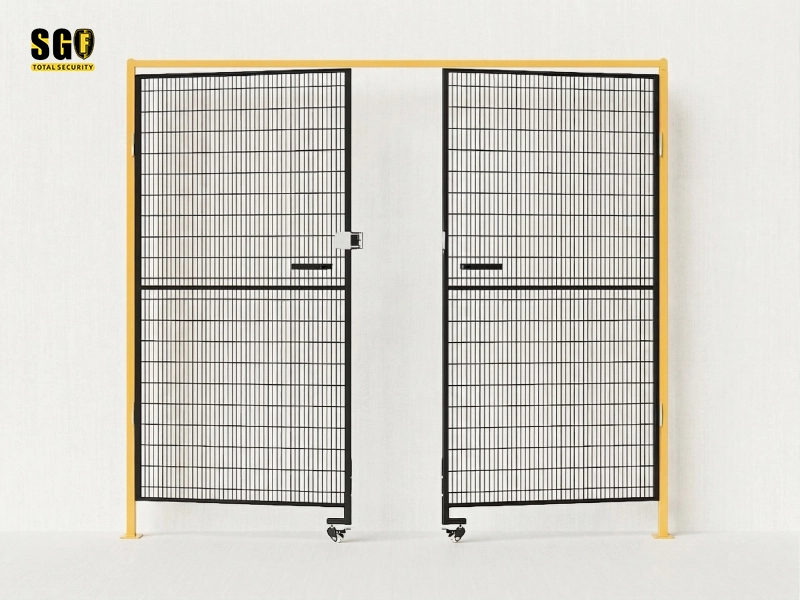
What the evidence says
When a buyer asks whether a machine safety fence can be installed in a precision workshop, the answer depends on two things: the build method and the site condition. Mdfence solves both. The modular connection method keeps the job cold and clean, while the repeated enclosure layout proves that the system can fit real industrial boundaries rather than only a drawing. That is why the system works for precision manufacturing retrofit projects where cleanliness is a production requirement, not a preference.
Upgrade the cell without polluting the cell
If your project needs a machine safety fence for a dust-sensitive workshop, use a cold-work modular system that installs fast, stays clean, and protects adjacent equipment during the upgrade.