PT
PT  EN
EN  DE
DE  RU
RU  JA
JA  ES
ES  IT
IT 

|
In high-speed automotive assembly and robotic welding cells, a “perimeter guard” is more than just a visual barrier. It is the physical backbone of your safety logic. When a forklift carrying a stamped chassis clips a post, or a robotic arm creates dynamic vibration, inferior steel deforms, misaligning sensitive interlocks and tripping the PLC. This article explores why Q235 carbon steel is the non-negotiable standard for maintaining uptime in rigorous industrial environments. |
The Material Science Behind Uptime: Why Q235 Matters
For System Integrators designing automated production lines, the specification of Sistemas de Proteção de Máquinas often comes down to a balance between cost and compliance (ISO 14120). However, the material composition of the fencing is often overlooked until the first accident occurs.
Mdfence utilizes Aço carbono Q235 for all primary structural components, including the 60x60mm posts and the 20x30mm panel frames. In the context of automotive manufacturing and heavy logistics, this specific grade of steel offers critical advantages over lighter alloys or brittle composites.
1. Ductility vs. Brittle Failure in Impact Scenarios
The Scenario: An AGV (Automated Guided Vehicle) or a forklift operator maneuvering a pallet of engine blocks miscalculates a turn and strikes the perimeter fence.
The Engineering Logic: Q235 steel has excellent ductility and elongation properties. Unlike harder, more brittle steels that might snap or shear upon sudden impact (creating dangerous shrapnel), Q235 is designed to deform plastically under high stress while maintaining structural continuity.

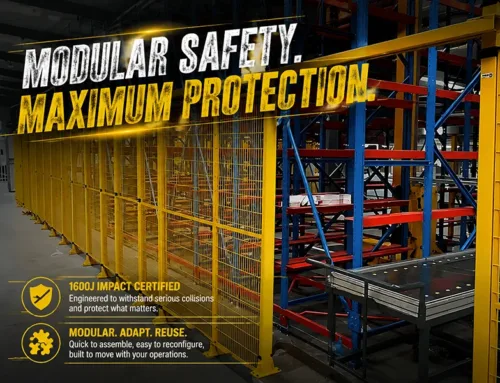
Figure 1: The cross-section of our Q235 posts (1.5mm – 2.0mm wall thickness) ensures that anchor points hold fast even during impact events.
The Operational Benefit: When an impact occurs, the fence absorbs the energy. The barrier remains standing, preventing the vehicle from entering the hazardous robot cell. More importantly, the system prevents “catastrophic failure,” allowing the line to potentially continue running until a scheduled maintenance window allows for panel replacement.
2. Rigidity for Safety Interlock Alignment
The Scenario: You are integrating a Tier 1 safety circuit using sensitive switches like Omron D4NL or Pizzato sensors. The door is opened and closed hundreds of times per shift for QA checks or material loading.
The Engineering Logic: Fencing made from inferior materials often suffers from “sag” or frame warping over time. If the door frame flexes even by a few millimeters, the interlock tongue will not engage the switch head smoothly. This misalignment prevents the safety circuit from resetting.

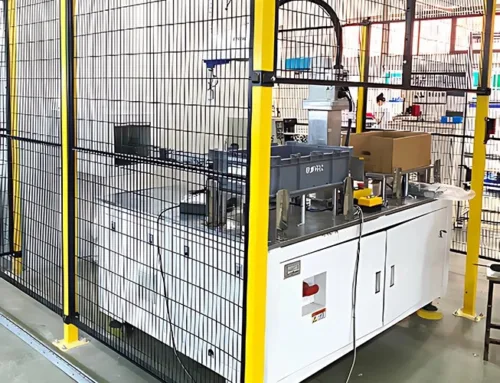
Figure 2: Rigid Q235 frames support precise mounting of interlock carriers, preventing nuisance tripping of the safety PLC.
The Operational Benefit: The rigidity of the Q235 framed panels ensures that door tolerances remain tight throughout the machine’s lifecycle. This eliminates “nuisance trips” where the machine refuses to start due to a sensor error, directly protecting your cycle time targets.
3. Weld Integrity and Custom Layout Adaptation
The Scenario: A robotic welding station requires a complex enclosure layout to accommodate a rotary table and a specific conveyor feed, requiring non-standard angles and cutouts.
The Engineering Logic: Q235 is renowned for its weldability. In our Cerca de Segurança para Robôs manufacturing process, we utilize flat welding techniques where the wire mesh is fully welded to the tube frame. This creates a monolithic structure that does not unravel when cut or modified.

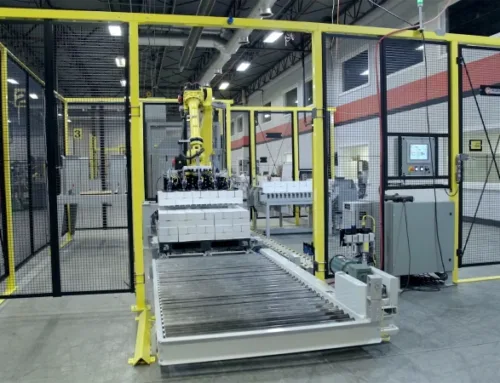
Figure 3: Complex layouts in automotive integration require the structural versatility that Q235 steel provides.
The Operational Benefit: This allows for high customization without sacrificing safety compliance. Whether you need a small cutout for a conveyor belt or a custom-height panel to guard a high-reach 6-axis robot, the structural integrity of the steel ensures the modification doesn’t become a weak point.
4. Surface Adhesion and Corrosion Resistance
The Scenario: The fencing is installed in a machining center environment where coolant mist, hydraulic fluid, and occasional welding sparks are present.
The Engineering Logic: The surface chemistry of Q235 steel is ideal for electrostatic powder coating. Mdfence applies a coating that meets GB/T9286-1998 standards, ensuring a chemical bond that resists peeling even when scratched.

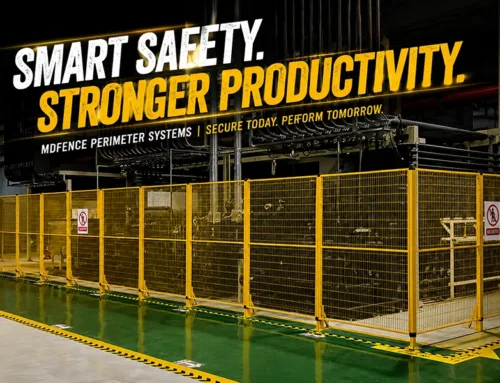
Figure 4: Proper surface treatment on Q235 steel prevents corrosion at the base, where floor scrubbers and fluids often accumulate.
The Operational Benefit: This longevity is crucial for maintaining the visual standard of the facility (5S methodology) and ensuring that the safety yellow (RAL 1023) remains highly visible to operators, clearly demarcating the hazardous zones year after year.
Perguntas Frequentes
Q1: How does Q235 steel compare to aluminum extrusion guarding for heavy robotics?
While aluminum is lightweight, Q235 steel offers significantly higher impact resistance per dollar. For heavy robotic cells where the risk involves thrown parts or vehicle collision, steel provides the necessary ductility to absorb energy without catastrophic snapping.
Q2: Can Mdfence panels withstand welding sparks in a body-in-white shop?
Yes. Unlike polycarbonate or acrylic viewing panels which can pit or melt, the Q235 wire mesh and steel frames are impervious to welding spatter. For areas requiring spark containment, we can substitute the mesh with solid steel sheet panels.
Q3: Is the Q235 material compatible with standard anchoring systems?
Absolutely. Our posts feature a welded base plate specifically designed for M10 x 70mm expansion bolts. The strength of the Q235 base plate ensures that the torque applied to the anchors translates into a rigid, secure hold on the concrete floor.
Q4: Does the steel thickness affect the integration of third-party interlocks?
Yes, positively. The 1.5mm to 2.0mm wall thickness of our tubes provides a substantial substrate for tapping threads or using self-drilling screws, ensuring that interlock carriers (like those for Sick or Keyence switches) do not loosen over time due to machine vibration.
Q5: Can this fencing system be modified on-site if the layout changes?
Yes. Because Mdfence is a modular system based on Q235 components, panels can be swapped, and the layout can be reconfigured. The durability of the steel means components can be disassembled and re-anchored multiple times without thread fatigue or structural degradation.