PT
PT  EN
EN  DE
DE  RU
RU  JA
JA  ES
ES  IT
IT 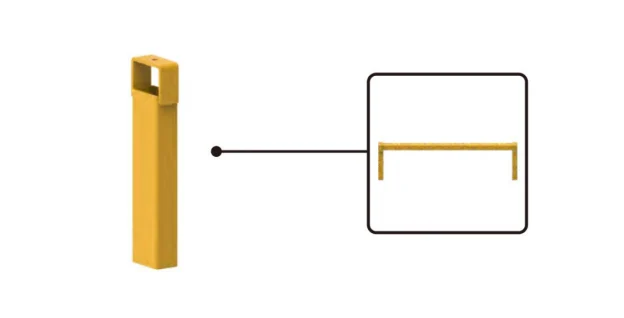
 |
Your robot cell is designed, the PLC is programmed, but the safety interlock doesn’t fit the fence door you bought. Now your team is on-site with a hand drill, ruining the powder coat, voiding the warranty, and hoping the switch aligns. This isn’t just an inconvenience; it’s a project delay that puts your EHS sign-off at risk. There’s a better way to bridge the gap between mechanical guarding and electrical safety circuits. |
Why Your Safety Circuit Is Only as Strong as Your Gate Latch
For an automation system integrator, a Machine Guarding System is more than just a physical barrier; it’s the foundation of your entire safety logic. When a gate is opened, the interlock switch must reliably signal the PLC to trigger a Safe Torque Off (STO) state in the robot or VFD. However, a common failure point isn’t the sophisticated switch, but the mechanical door it’s mounted to. Traditional or low-cost fencing often treats lock integration as an afterthought, leading to critical on-site problems:
- On-Site Fabrication: Drilling and tapping holes in a finished, powder-coated post on the factory floor is inefficient and risky. It creates metal shavings, requires hot work permits, and immediately compromises the anti-corrosion layer, leading to rust.
- Switch Misalignment: Flimsy, non-framed gate panels or weak hinges inevitably sag under their own weight. This causes the switch actuator on the door to misalign with the switch body on the post, resulting in nuisance trips or, worse, a failure to close the safety circuit.
- Failed EHS Audits: A poorly integrated safety lock is an immediate red flag during a final client walkthrough or third-party safety audit, delaying project acceptance and payment.
The Foundation: A Mechanically Sound Platform for Any Lock
Effective safety lock integration begins with a stable mechanical structure. Before even considering electronic interlocks, the door system itself must be engineered for industrial use. This means prioritizing structural rigidity to ensure long-term alignment and reliability.
Robust Door Construction for Zero-Sag Performance
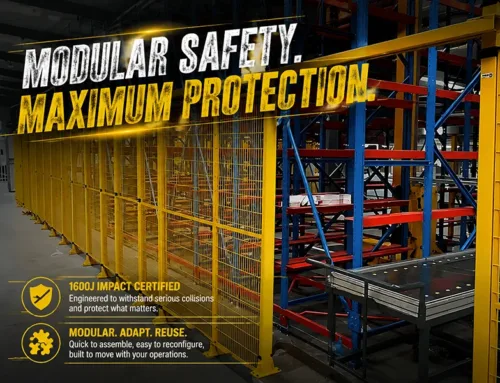
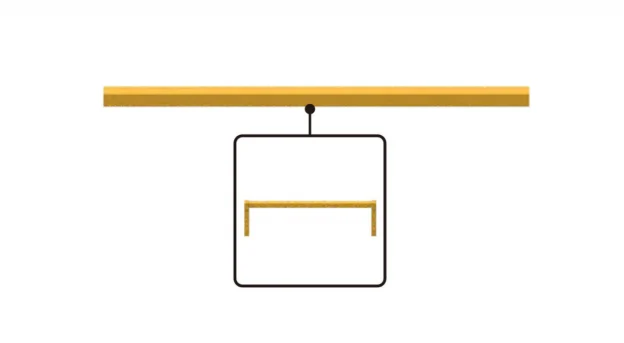
Unlike simple mesh panels, our doors are built using a full 20 x 30mm tubular steel frame. This framed construction, combined with heavy-duty hinges and a top-mounted door frame beam, creates a rigid, non-sagging gate. This structural integrity ensures that whether it’s the first day of commissioning or five years into production, the door will always close at the exact same point, providing a perfect foundation for any locking mechanism.
Mechanical Locks for Simple LOTO Procedures
For areas requiring simple, non-electrical access control, a range of robust mechanical locks is essential for Lockout/Tagout (LOTO) procedures. Options like heavy-duty Jimmy Proof locks or simple slide bolts provide a secure physical locking point. The installation is straightforward, utilizing the rigid frame of the door and post for a solid connection that won’t fail under stress.

The Solution: Engineered Carriers for Plug-and-Play Interlock Integration
The true challenge lies in seamlessly integrating sophisticated electronic safety interlocks. The solution is to move away from on-site improvisation and towards a system of pre-engineered components. We’ve developed a range of dedicated “Safety Interlock Carriers”—precision-cut mounting plates and brackets designed for the industry’s most common safety switches.
As seen in complex projects for system integrators like GBM Automation, the requirement is clear: a “bolt-on” solution. Our carriers, such as the KKCK-LCK-B-D4NL-SET for the Omron D4NL or a corresponding model for the Pizzato FS series, come with pre-drilled holes that match the switch’s mounting pattern perfectly. This approach transforms lock integration from a custom fabrication task into a simple assembly step.

This “plug-and-play” methodology provides quantifiable value:
- Eliminates Rework: It removes all guesswork and on-site drilling, saving hours of skilled labor time.
- Guarantees Alignment: The carrier ensures the switch and actuator are perfectly positioned for reliable operation from the very first cycle.
- Maintains System Integrity: No need to compromise the fence’s powder-coated finish, ensuring long-term durability and a professional appearance that passes the strictest client inspections.
Conclusion: From a Line Item to a Project Accelerator
Integrating safety locks with a Cerca de Segurança para Robôs system shouldn’t be a source of project bottlenecks. By choosing a modular system designed with electrical integration in mind, you de-risk a critical part of your automation cell deployment. An engineered lock carrier system means your team can work faster, your safety circuits are more reliable, and you can confidently walk the end-client’s EHS manager through a clean, compliant, and professionally executed safety installation. It turns your fencing from a simple bill of materials item into a true project accelerator.
Perguntas Frequentes
1. Do you provide mounting plates for specific interlock switches beyond Omron and Pizzato, such as Schmersal, Allen-Bradley, or Keyence?
Yes. While we stock carriers for the most popular models, we can engineer and fabricate custom mounting solutions for virtually any safety interlock switch as part of a project order. We just need the switch’s model number and datasheet.
2. Can I get 3D CAD models of the fence and lock assemblies to import into my overall cell design software?
Absolutely. We provide a comprehensive library of 3D STP files for our standard components, including posts, panels, doors, and our most common lock carriers. This allows your design team to verify fit and function and create accurate BOMs and layout drawings from the start.
3. How does the door construction specifically handle the dynamic forces of frequent opening/closing without causing interlock misalignment?
Our hinged doors use a combination of a full tubular steel frame, heavy-duty welded hinges, and a top door frame beam that connects the two posts. This creates a rigid “portal” structure that prevents the posts from shifting and the door from sagging, ensuring the interlock’s actuator and body remain perfectly aligned through thousands of cycles.
4. What is the process if I need a custom lock integration for a unique, non-standard locking device specified by my end-client?
Our engineering team will work with you. You would provide the specifications and, if possible, a physical sample or CAD model of the device. We will then design a custom carrier plate or mounting bracket, provide you with drawings for approval, and fabricate the custom components along with your fencing order.
5. Are your locking system integrations compliant with standards like ISO 14119 (Safety of machinery – Interlocking devices)?
Our role is to provide a robust and reliable mechanical mounting platform. The overall compliance of the interlocking system depends on the correct selection, installation, and integration of the safety-rated switch by the system integrator, in line with their risk assessment. Our pre-engineered carriers facilitate a correct and secure installation, which is a critical prerequisite for achieving ISO 14119 compliance.