PT
PT  EN
EN  DE
DE  RU
RU  JA
JA  ES
ES  IT
IT The production process of temporary metal fence posts

The production process of temporary metal fence posts typically involves the following steps:
-
-
- Material Selection: The first step is to select the appropriate materials for making the fence posts. Generally, the posts are made of steel or aluminum, as these materials are strong, durable, and resistant to weather and corrosion.
- Cutting: Once the material is selected, the metal sheets or bars are cut to the desired length and width using cutting tools such as saws or plasma cutters.
- Shaping: After the metal sheets or bars are cut to size, they are shaped into the desired profile for the fence post. This can be done using tools such as bending machines or rolling machines, which shape the metal into the required curvature.
- Punching Holes: Once the metal is shaped, the next step is to punch holes in the posts to attach fencing materials such as mesh, wire, or panels. The holes can be punched using a drill press or a specialized punching machine.
- Welding: After punching the holes, the fence post components are welded together to create the final structure. The welding process involves melting and joining the metal pieces using a welding machine or torch.
- Finishing: The final step is to apply a finish to the fence post to protect it from rust and corrosion. This can be done by painting, powder coating, or applying a protective coating to the surface of the post.
-
Once the finishing process is complete, the temporary metal fence posts are ready for use. These fence posts can be used for a variety of temporary fencing applications such as construction sites, outdoor events, or crowd control.
Guardrail de perfil thrie beam para separação física entre pedestres e equipamentos de movimentação de materiais (MHE) em armazéns
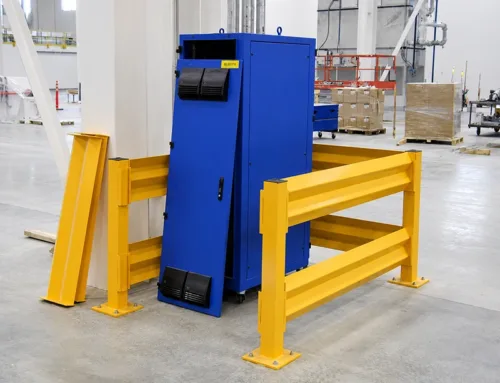
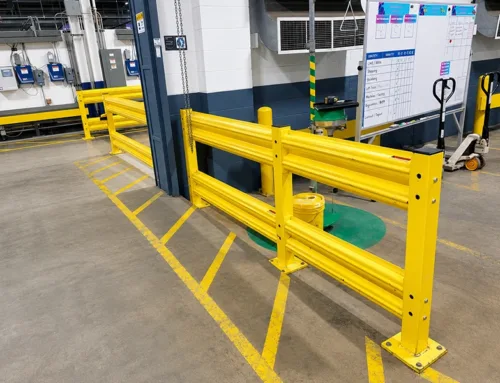
Quando empilhadeiras e pedestres compartilham um corredor, a barreira de guarda-corpo Hsafety thrie beam cria uma fronteira de aço visível e ancorada. O revestimento de segurança amarelo e a fita refletiva opcional complementam sensores ativos e câmeras com separação passiva pedestre–MHE.
Barreira de Viga de Onda para Zonas de Empilhadeiras: Construa uma Linha Física entre Pessoas e MHE
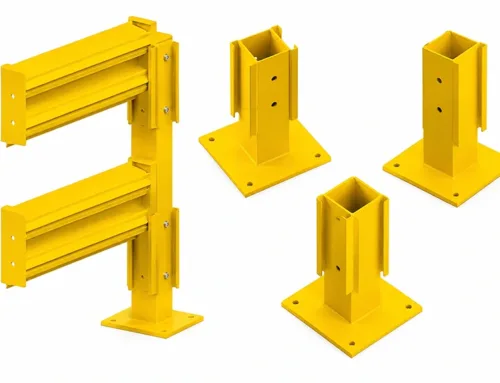
Quando pedestres e MHE compartilham uma rota de armazém, uma barreira de viga ondulada cria uma camada de separação passiva visível e montada no piso. Veja como a Hsafety combina trilhos de aço corrugado, revestimento de aviso amarelo, fita refletiva opcional e ancoragem modular projetada para proteção contra impacto de empilhadeiras.
Grades de Proteção de Viga de Aço Corrugado para Conformidade de Armazéns em Toda a Rede
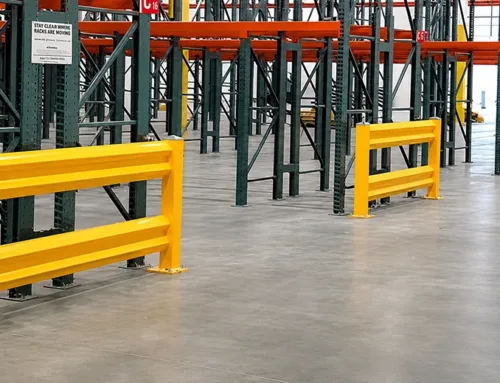
Para responsabilidade OSHA NEP e ESG, guarda-corpos de armazém com viga de aço corrugado oferecem a redes de distribuição multi-site uma barreira passiva repetível para proteção contra impacto de empilhadeiras, separação pedestre-veículo e proteção de ativos.