PT
PT  EN
EN  DE
DE  RU
RU  JA
JA  ES
ES  IT
IT 
Hoop Barriers
When it comes to efficient traffic management, safety and control are paramount. Hoop Barriers, a versatile and reliable solution, play a crucial role in maintaining order and enhancing safety on the roads. In this comprehensive guide, we will delve into the numerous benefits and applications of Hoop Barriers in traffic management.
The Versatility of Hoop Barriers
Hoop Barriers, also known as hoop bollards, are a multifunctional traffic control system designed to manage and direct traffic flow effectively. They are known for their versatile applications in various traffic management scenarios. These barriers are constructed with a series of hoop-shaped horizontal bars that create a robust yet visually appealing structure.
One of the key advantages of Hoop Barriers is their flexibility. They are commonly used in the following traffic management applications:
- 1. Traffic Control: Hoop Barriers are positioned strategically to control and guide vehicle and pedestrian traffic, ensuring safety and order in busy areas such as parking lots, event venues, and construction sites.
- 2. Perimeter Security: They serve as protective barriers around critical infrastructure, securing areas like airports, government buildings, and industrial facilities from unauthorized access.
- 3. Urban Planning: Hoop Barriers contribute to urban design by delineating pedestrian zones, bike lanes, and walkways, enhancing overall city aesthetics.

The Benefits of Hoop Barriers in Traffic Management
Let’s explore the specific advantages of incorporating Hoop Barriers into your traffic management strategy:
Enhanced Safety
Safety is paramount in traffic management. Hoop Barriers provide a visible and sturdy barricade that prevents vehicles from entering restricted areas. Their hoop design ensures that pedestrians and cyclists can easily navigate around them, minimizing the risk of accidents.
Efficient Traffic Flow
By strategically placing Hoop Barriers, you can optimize the flow of traffic. These barriers help in creating designated lanes, pedestrian zones, and traffic patterns, reducing congestion and improving the overall traffic experience.
Customization Options
Hoop Barriers come in various materials and finishes, allowing you to choose options that best match your specific requirements and aesthetics. Whether you prefer galvanized steel for durability or powder-coated finishes for a polished look, there are customization options available.
Durability and Longevity
Constructed from high-quality materials, Hoop Barriers are built to withstand the test of time. They are resistant to weather, corrosion, and wear, ensuring that your investment in traffic management infrastructure is a long-lasting one.
Cost-Effective Solution
Hoop Barriers are a cost-effective traffic management solution. Their low maintenance requirements and extended lifespan make them an economical choice for both short-term and long-term projects.
Environmentally Friendly
As sustainability becomes a priority in urban planning, Hoop Barriers are environmentally friendly. They can be recycled, making them an eco-conscious choice for traffic management while also reducing the carbon footprint.
Applications in Various Industries
Hoops Barriers are versatile and find applications in diverse industries:
- 1. Construction: Hoop Barriers are used to create safety perimeters around construction sites, ensuring the safety of workers and passersby.
- 2. Events and Venues: They are employed to manage traffic and pedestrian flow during events, concerts, and sports games.
- 3. Transportation: Hoop Barriers are used in transportation hubs, such as airports and bus stations, to guide travelers efficiently.
Conclusion
Hoop Barriers are a valuable asset in traffic management, providing a range of benefits including safety, efficiency, customization, durability, cost-effectiveness, and eco-friendliness. Their applications span across various industries, making them a versatile and practical choice for controlling and directing traffic.
Interlock Switch Mounting Without Drilling: Why Alfence T-Slot Posts End Phantom Stops
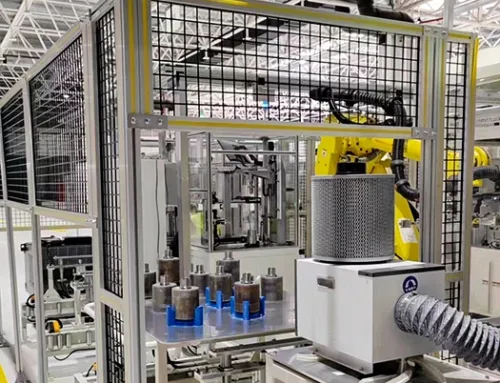
Bolting an interlock switch bracket through a powder-coated steel post drills the coating, drops swarf into the cell and leaves a rust line — and when the hinged leaf sags, the tongue misaligns and the PLC reports a phantom guard fault. Alfence mounts sensors, e-stops and conduit in the T-slot groove of a 40×40 mm or 45×45 mm aluminum post, with door hardware sized to keep the safety switch aligned.
Phantom Safe Torque Off Stops: T-Slot Guarding Fence Posts Mount Interlocks Without Drilling
Painted steel guarding posts force maintenance to drill for interlock switches, dropping swarf in the cell and breaking the coating where rust starts. Sagging hinge doors then misalign the interlock tongue and the PLC trips Safe Torque Off while the gate is closed. Alfence industrial safety fence mounts sensors, e-stops and cable routing into the T-slot aluminum profile post without drilling, and uses hinged, folding or sliding door frames that keep interlock geometry stable - protecting OEE through phantom stops and line changes.
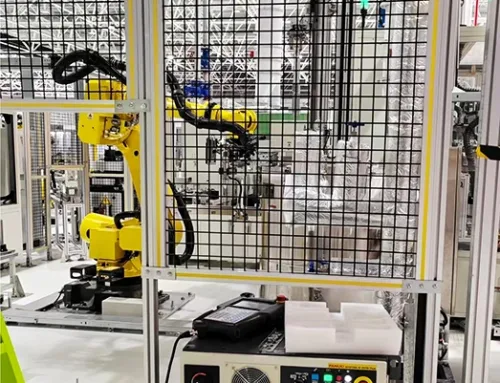
Automotive Plant Industrial Safety Fence: Keep the Robot Cell Close to the Hazard
Automotive plants cannot afford to lose production floor to an oversized machine guarding perimeter. Alfence combines 20×100 mm mesh with slim 40×40 mm or 45×45 mm aluminum posts for a compact, reconfigurable industrial safety fence layout, with final clearance confirmed by the project risk assessment.