PT
PT  EN
EN  DE
DE  RU
RU  JA
JA  ES
ES  IT
IT What types of machine guards exist?

Machine guards are essential safety devices that are used to protect workers from hazardous machinery. They are designed to prevent accidental contact with moving parts, flying debris, and other dangerous components of machinery. There are various types of machine guards, each of which provides a specific level of protection. In this article, we will discuss some of the most common types of machine guards.
Fixed Guards: Fixed guards are the most basic type of machine guard. They are permanent barriers that are mounted to the machine or its surrounding area. Fixed guards are designed to prevent access to the hazardous areas of the machine, such as the blades or the motor. These guards can be made from various materials, such as metal, plastic, or wire mesh.
Interlocking Guards: Interlocking guards are designed to shut down the machine when the guard is opened or removed. They are typically used on machines that have high-risk areas that require frequent access, such as packaging machines or printing presses. Interlocking guards help to ensure that the machine cannot be operated until the guard is replaced or closed.
Adjustable Guards: Adjustable guards are used on machines where the size or shape of the workpiece being processed can vary. They are designed to be moved or adjusted to accommodate different sizes of workpieces while still providing protection. These guards are often used in conjunction with other types of guards, such as fixed or interlocking guards.
Self-Adjusting Guards: Self-adjusting guards are designed to move with the machine as it operates. They are commonly used on machines that have moving parts, such as conveyor belts or assembly lines. These guards help to ensure that the hazardous areas of the machine are always protected, regardless of the machine’s operation.
Pullback Devices: Pullback devices are designed to remove the operator’s hands from the danger zone of the machine. They are typically used on machines that have rollers, gears, or other moving parts that can pull the operator’s hands into the machine. Pullback devices use a spring-loaded cable that is attached to the operator’s hands. If the operator’s hands get too close to the danger zone, the cable will pull their hands away from the machine.
Two-Hand Controls: Two-hand controls are designed to prevent accidental operation of the machine. They require the operator to use both hands to activate the machine, which helps to ensure that the operator’s hands are out of the danger zone before the machine begins to operate. Two-hand controls are commonly used on machines that have high-speed operations, such as stamping machines or punch presses.
Safety Trip Controls: Safety trip controls are designed to shut down the machine if the operator trips or falls into the danger zone. They use pressure-sensitive mats or switches that are placed around the machine. If the operator steps on or falls onto one of these mats or switches, the machine will shut down immediately.
In conclusion, machine guards are essential safety devices that protect workers from the hazardous components of machinery. There are various types of machine guards available, each of which provides a specific level of protection. The type of guard that is used will depend on the specific machine and its application.
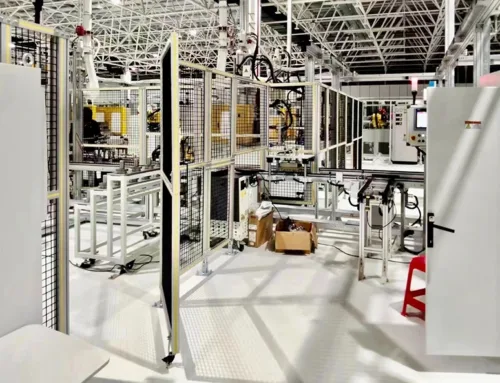
Cerca de isolamento de equipamentos para células de carga de robôs: Alfence interrompe paradas indesejadas
Para células de carregamento de robôs, a cerca de isolamento de equipamentos Alfence mantém sensores, intertravamentos e rotas de cabos fora dos postes de aço pintados, para que o CLP não desarme com sinais falsos de porta.
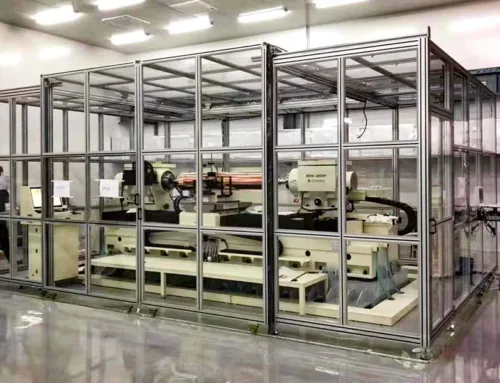
Cercamento de proteção de máquinas para linhas higiênicas de alimentos e farmacêuticas | Alfence
A cerca de proteção de máquinas Alfence usa construção de cerca de segurança com perfis de alumínio e proteção anticorrosiva com pintura em pó para suportar layouts higiênicos em alimentos, bebidas, farmacêuticos e salas limpas.
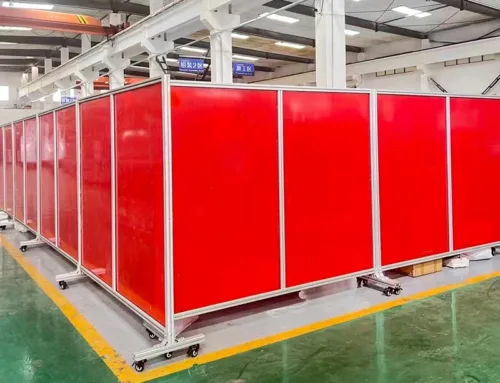
Cercas de Proteção de Máquinas para Plantas Higiênicas de Alimentos, Bebidas e Farmacêuticas | Alfence
A cerca de proteção de máquinas Alfence usa perfis de alumínio e pintura em pó para proteger linhas sensíveis à higiene com uma barreira mais limpa e mais fácil de manter.