RU
RU  EN
EN  DE
DE  PT
PT  JA
JA  ES
ES  IT
IT 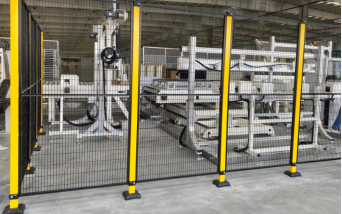
For years, as a manager of a coastal factory in Texas, my biggest operational headache wasn’t production targets—it was moisture. The relentless humidity caused our fences to rust and fail constantly. With a fast-paced assembly line and busy forklift traffic, a non-durable fence wasn’t just an inconvenience; it was a constant drain on our budget. After several failed attempts with inferior products, we finally invested in a high-quality steel fence. A 650-foot installation cost us $12,000, and five years later, it’s still rust-free. That’s when I truly understood: good money spent is never wasted.
Are you facing the same struggle? Is your factory’s humid environment destroying your fences? If you’re tired of the endless cycle of repairs and sleepless nights, I’ve been there. Today, I’ll share how to choose an economical and reliable fencing solution for high-moisture environments.
The High Cost of Cheap Fencing in Humid Conditions
I still remember the initial numbers. We first installed a standard metal fence. The 650-foot perimeter cost $6,000, but it rusted through in just two years, becoming unstable. The repairs cost another $900, but the real damage was a full day of suspended production, which cost us nearly $7,500. The total came to almost $15,000. Next, we tried a plastic fence for $3,000. It cracked within six months from sun exposure and rotted wherever water pooled. Replacing it cost another $3,000. Within two years, we had spent $7,500 on a failing solution. Seeing a fence rust and degrade was more than frustrating; it felt like we were being cheated.
Pinpointing the Real Fears of Failing Equipment
In a high-humidity environment, the problems are predictable and costly:
- Endless Repair Costs: A $900 repair seems small, but over five years, that adds up to thousands in wasted maintenance expenses.
- Production Halts and Safety Risks: A fence that can’t withstand a forklift bump is a major liability. A single production halt to fix it cost us $7,500 and caused a significant operational panic.
- The Fatigue of Replacement: Constantly sourcing and installing new fences every couple of years is a drain on both time and money.
The Game-Changer: A Powder-Coated Steel Промышленное ограждение безопасности System
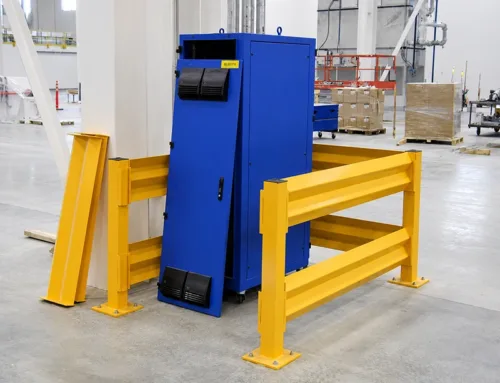
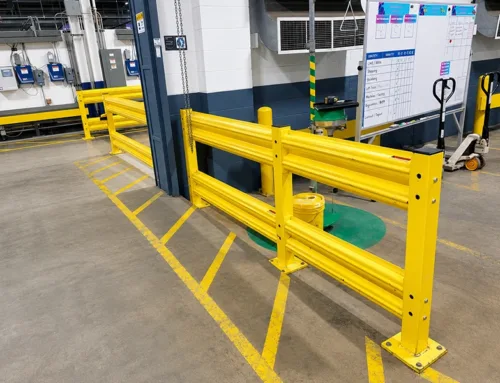
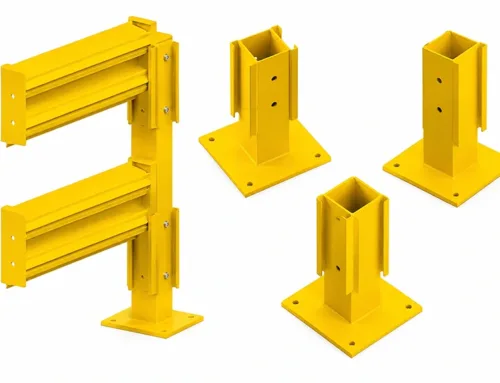
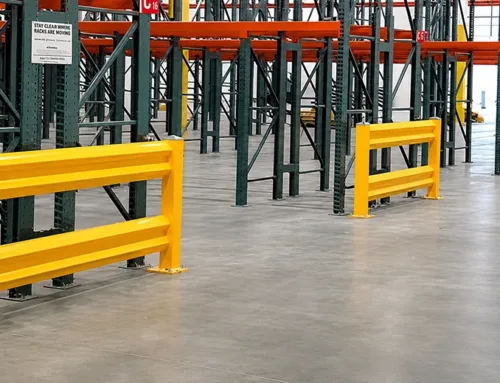
We finally invested in a steel assembled Промышленное ограждение безопасности system for $12,000. Its powder-coated finish makes it completely waterproof. After five years of constant exposure to moisture, there is zero rust. It has been struck by a forklift on three separate occasions with no damage. My worries about fence maintenance are finally over.
The Financial Breakdown: How Steel Saves You Money
Iron Fence (3-Year Total): $6,000 (initial) + $900 (repair) + $7,500 (downtime) = $14,400 Total Cost.
Plastic Fence (2-Year Total): $3,000 (initial) + $750 (repair) + $3,000 (replacement) = $6,750 Total Cost.
Steel Fence (5-Year Total): $12,000 (initial) + $0 (repairs) + $0 (downtime) = $12,000 Total Cost. Over five years, this saves over $15,000 in combined repair and downtime losses.
How does the investment pay off?
- Powder-Coated Steel: Saves thousands in maintenance costs over five years.
- Superior Impact Resistance: Withstands forklift collisions, preventing over $7,500 in production downtime losses.
- Быстрая установка: Our system was installed in just three days, minimizing construction disruption.
My boss said, “That steel was worth every penny!” I just smiled. An initial $12,000 investment to save over $15,000? Absolutely worth it.
Final Thoughts
So, what should you do if your fences are rusting in a high-moisture environment? This steel fence cost $12,000 and remains rust-free, costing only about $6 per foot per year over its lifespan while saving us over $15,000. What about your facility? Are you fighting a losing battle with rust? I’ve run the numbers, and the right investment doesn’t cost—it pays.