RU
RU  EN
EN  DE
DE  PT
PT  JA
JA  ES
ES  IT
IT Ограждения для безопасности машин
Machine safety fencing for heavy scrap, flying debris, and impact-prone work zones
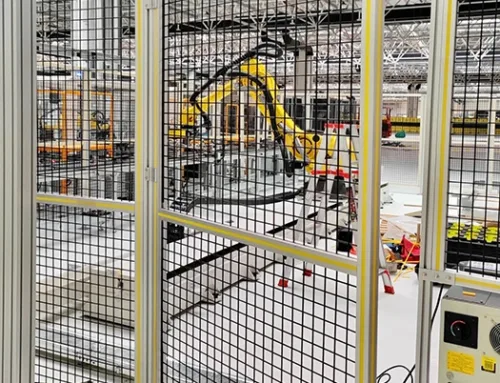
In scrap processing, vehicle traffic, and dismantling lines, the risk is not just contact. Heavy fragments can fly, forklifts can strike, and lightweight barriers can fail when the load is real. Mdfence is built for that environment: a safety fence system designed to stay rigid, contain debris, and keep people out of the danger zone.
Why machine safety fencing is the right fit for high-impact industrial lines
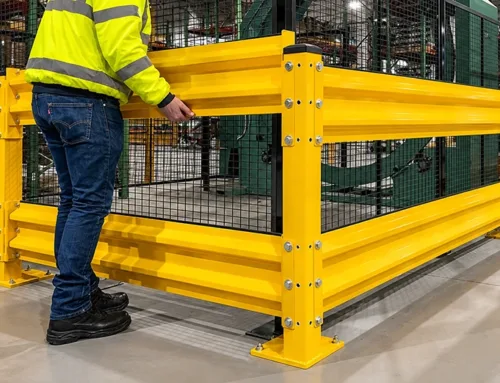
When a waste metal fragment leaves a crusher or a forklift clips a perimeter barrier, the fence must do more than mark a boundary. It has to absorb impact, resist deformation, and block small flying pieces that can injure nearby operators. Mdfence is engineered around those exact conditions.
| Требование | Детали Mdfence |
|---|---|
| Ударопрочность | Q235 carbon structural steel frame with 60x60mm uprights, tested for up to 1600 joules of impact energy. |
| Сдерживание обломков | 20x100mm anti-intrusion micro mesh helps block flying metal fragments from escaping the work cell. |
| Industrial safety proof | TUV safety certified, supporting use in high-frequency collision risk areas. |
| Work zone match | Built for scrap shredding, vehicle dismantling, and material handling corridors with forklift traffic. |
What makes Mdfence different from a lightweight perimeter barrier
Rigid steel structure that holds shape after contact
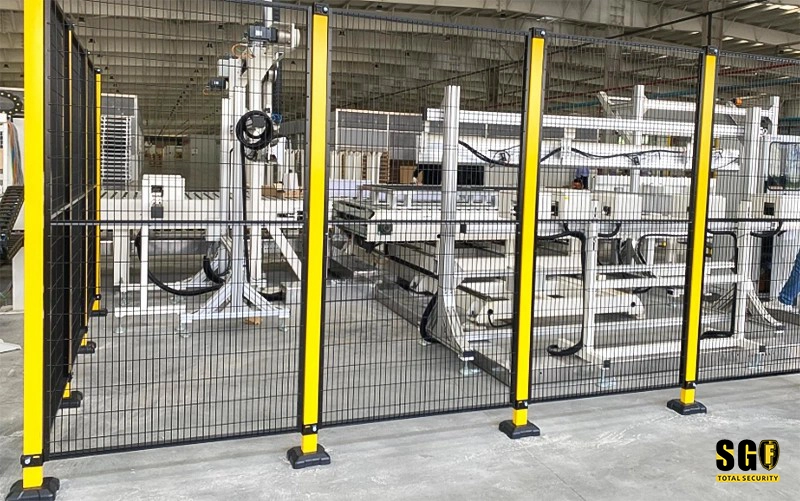
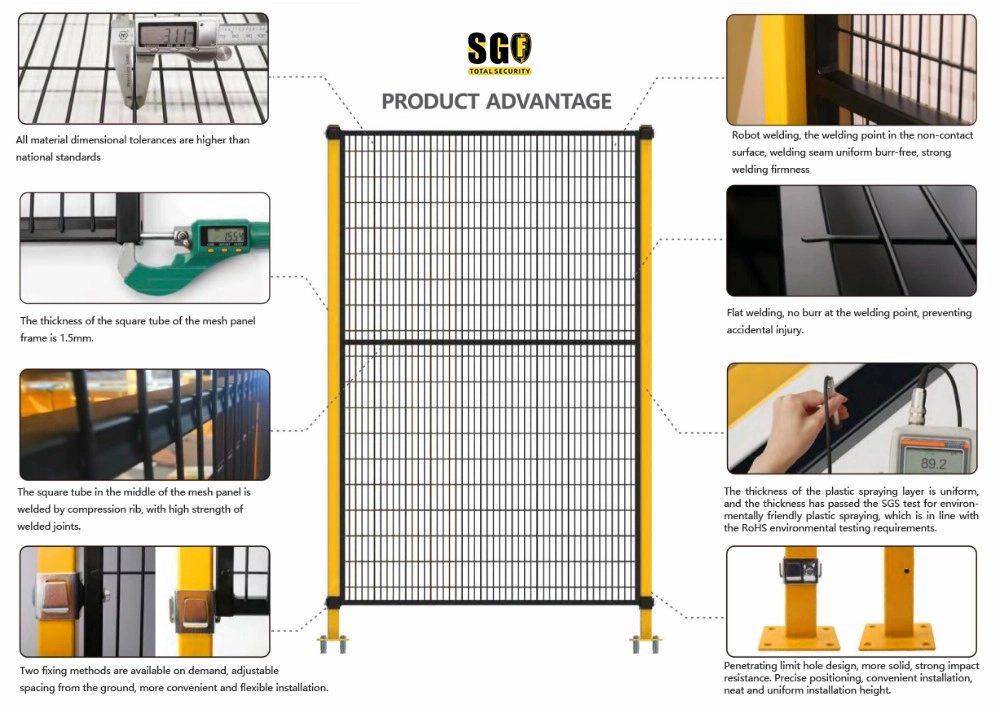
The first failure point in a weak fence is usually the upright. Mdfence uses 60x60mm uprights in Q235 carbon structural steel, so the frame is designed for real industrial abuse rather than light-duty separation. In a scrap yard or dismantling line, that matters because impact is not rare; it is expected. The structure is meant to keep the system standing after accidental contact and reduce downtime caused by bent panels and repeated repairs.
Micro mesh that protects people from flying fragments
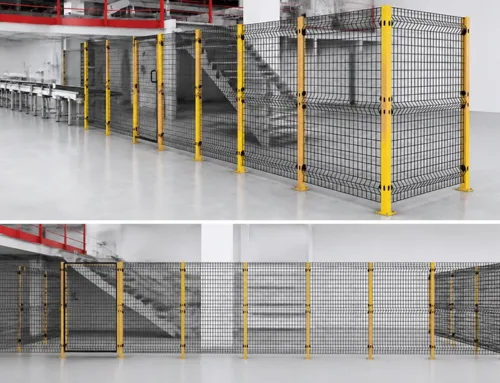
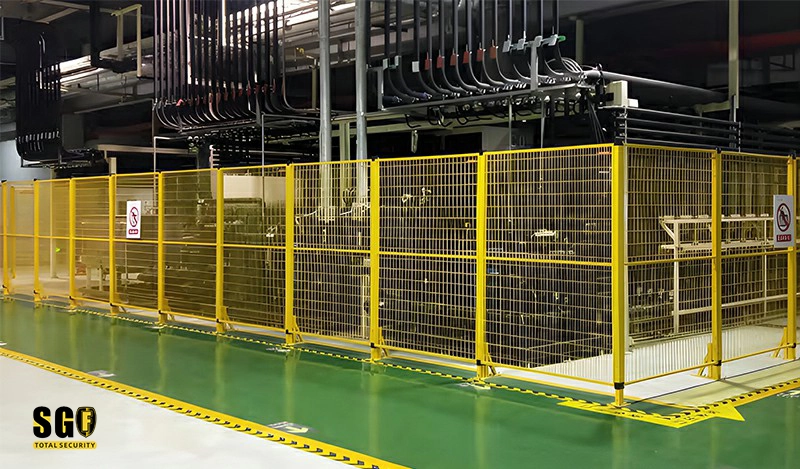
Many barriers can slow a vehicle, but they still leave a hazard gap for smaller fragments. The 20x100mm anti-intrusion micro mesh on Mdfence helps stop chips, shards, and broken metal pieces from reaching walkways or adjacent workstations. That is the key difference in debris-heavy operations: you need containment, not just a visual boundary.
Built for collision zones, not just clean factory aisles
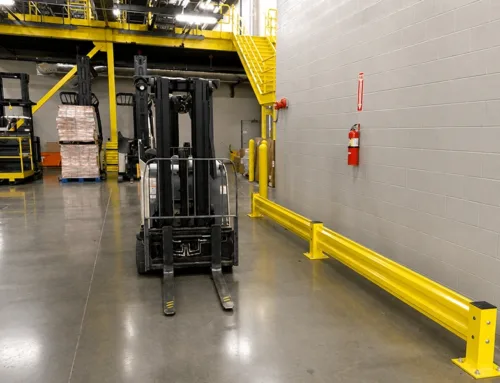
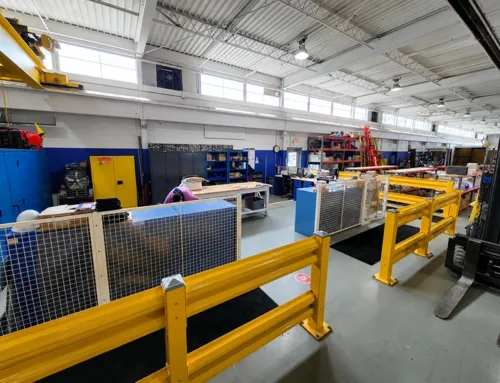
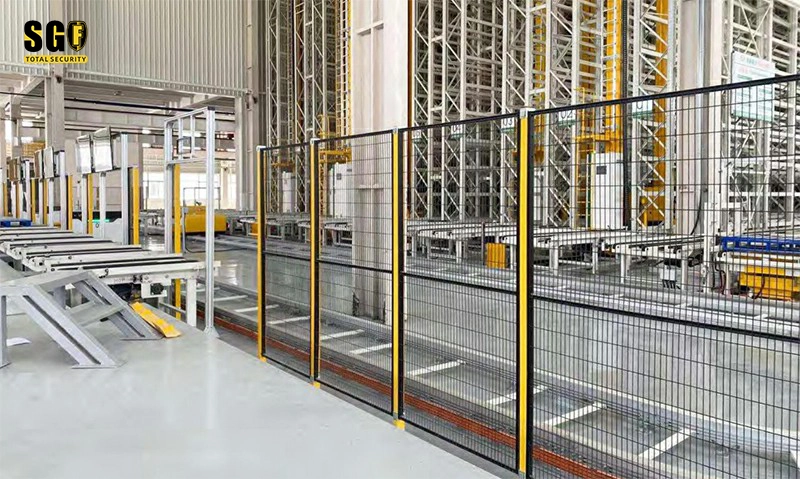
In recycling and dismantling plants, the perimeter often sits close to forklifts, conveyors, and processing equipment. Mdfence is intended for those collision zones where the wrong fence choice can lead to bent mesh, broken posts, and exposed danger areas. Its high-strength build and certified impact performance make it a better fit when the site has both heavy moving equipment and flying debris.
Typical applications for machine safety fencing
- Scrap shredding and metal recycling lines
- Car dismantling and parts recovery areas
- Forklift traffic lanes near hazardous machinery
- Equipment cells where flying fragments must be contained
- Perimeter protection around impact-prone industrial zones
These are the environments where ordinary light fencing bends first and protects later, if at all. Mdfence is specified for operators who need a stronger boundary, better fragment control, and a system that still looks straight after repeated industrial contact.
What to specify before ordering machine safety fencing
Before you buy, define the actual risk: impact energy, vehicle type, fragment size, and how close operators stand to the line. Then match those requirements to the fence structure. Mdfence answers with Q235 steel uprights, 1600-joule impact resistance, and 20x100mm micro mesh, so the specification is tied to a real hazard profile rather than a generic barrier request.
Need machine safety fencing for a high-risk industrial line?
If your site has heavy debris, forklift contact, or both, Mdfence gives you a stronger technical match than a standard light-duty fence. Use it when containment, impact resistance, and operator protection all need to work at the same time.