EN
EN  DE
DE  RU
RU  PT
PT  JA
JA  ES
ES  IT
IT Temporary Metal Fences: Materials, Configurations, and Uses
Temporary Metal Fencing: A Comprehensive Guide
Temporary metal fencing provides versatile solutions for short-term security and access control needs. From construction sites to special events, understanding the various types of temporary metal fences and their applications is crucial for making informed decisions.
Materials Used in Temporary Metal Fencing
Several materials are commonly used in the construction of temporary metal fences, each with its own advantages and disadvantages:
Steel: Steel fencing offers exceptional strength and durability, making it suitable for demanding applications. It can withstand harsh weather conditions and heavy impacts. Steel fences can be galvanized or powder-coated for enhanced corrosion resistance, extending their lifespan.
Aluminum: Aluminum fencing is lightweight and easy to install, making it ideal for projects requiring frequent relocation. It is naturally corrosion-resistant, eliminating the need for additional coatings. While not as strong as steel, aluminum fencing provides adequate security for many applications.
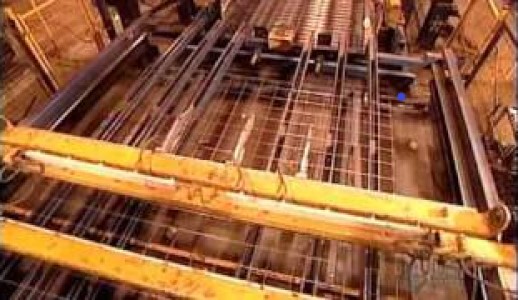
Wire Mesh: Wire mesh fencing, often made from welded or woven steel wire, offers good visibility and airflow. It is a cost-effective option for basic perimeter security and crowd control. However, it may not be suitable for applications requiring high security.
Chain Link: Chain link fencing is a durable and affordable option, providing good visibility and security. It is commonly used for construction sites, sporting events, and other applications requiring perimeter delineation.
Wrought Iron: While less common for temporary applications due to its higher cost, wrought iron fencing offers exceptional strength, durability, and aesthetic appeal. It is often used for decorative purposes or high-security applications.
Types of Temporary Metal Fence Configurations
Beyond materials, temporary metal fencing comes in various configurations:
Panel Fencing: Individual panels are connected to form a continuous barrier. Panel fencing is easy to install, dismantle, and relocate, making it highly versatile.
Chain Link Fence Systems: Chain link fencing systems typically involve posts, rails, and chain link fabric, offering a robust and secure perimeter.
Welded Wire Fence Panels: Welded wire mesh panels provide a rigid and secure barrier, often used for crowd control and security applications.
Post and Rail Fencing: Post and rail fencing systems utilize posts driven into the ground with rails connecting them, creating a sturdy and visually appealing barrier. This type is often used for crowd control at events or delineating boundaries.
Choosing the Right Temporary Metal Fence
Selecting the appropriate temporary metal fence depends on several factors:
Security Requirements: Assess the level of security needed. High-security applications may require stronger materials like steel or wrought iron.
Project Duration: For short-term projects, lightweight and easily installable options like aluminum or wire mesh may suffice.
Budget: Balance cost with required features and durability.
Aesthetics: Consider the desired aesthetic appeal, especially for events or public spaces.
Case Study: Securing a Construction Site
A construction company utilized steel panel fencing to secure their site perimeter. The robust steel construction provided excellent security, protecting valuable equipment and preventing unauthorized access. The modular design allowed for easy installation and adaptation to the site’s layout.
Frequently Asked Questions
Q: What is the most cost-effective temporary fencing option? A: Wire mesh and chain link are generally the most affordable options.
Q: How do I install temporary metal fencing? A: Installation methods vary depending on the fencing type. Consult the manufacturer’s instructions for specific guidance.
Q: Can temporary metal fencing be customized? A: Yes, many manufacturers offer customization options, such as gates, access points, and color choices.
By understanding the different materials, configurations, and factors influencing selection, you can choose the ideal temporary metal fencing solution for your specific needs. Contact us today to discuss your project requirements and explore the available options.
Food & Pharma Machine Guarding: Modular Aluminum Frame for Cleanable Safety Fencing
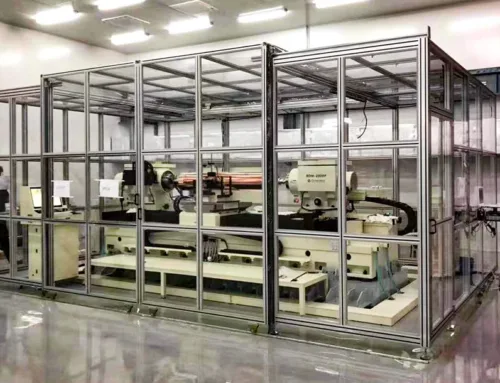
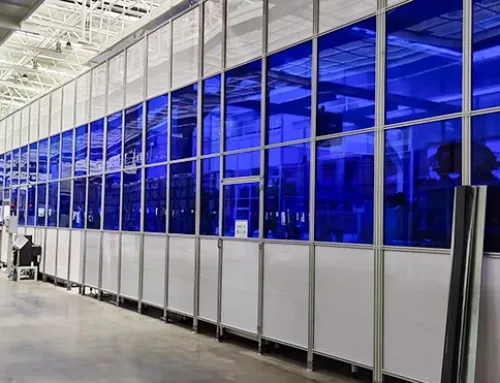
Food, beverage, pharmaceutical, and cleanroom facilities need machine guarding that resists corrosion, avoids rust-flake contamination, and can be cleaned without slowing production. Alfence uses a modular aluminum frame with corrosion-resistant aluminum alloy and powder-coated protection for indoor perimeter guarding.
Aluminum extrusion fence for hygienic food and pharma machine guarding
Food, beverage, pharmaceutical, and cleanroom operations need machine guarding that resists corrosion and remains practical to clean. This guide explains how Alfence Aluminum extrusion fence combines aluminum alloy profiles, a 185 °C powder-coat cure, modular panels, and configurable access for suitable indoor hygienic production areas.
Equipment Isolation Fence for Phased Automated Warehouse Expansion | Alfence
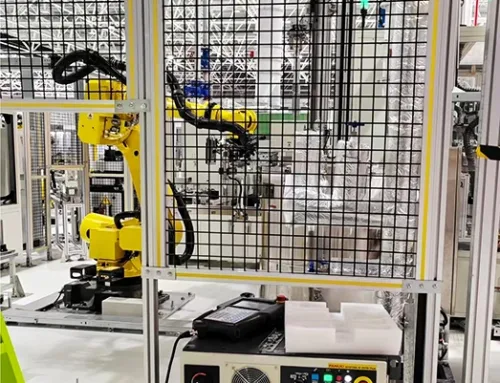
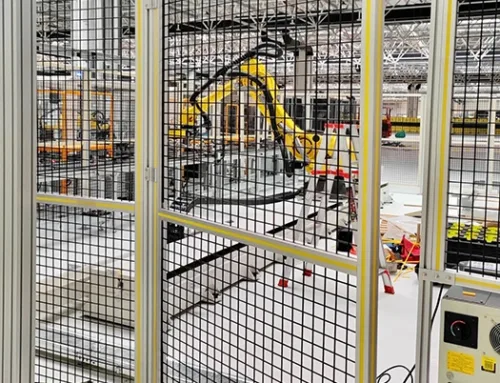
For phased automated warehouse projects, an equipment isolation fence must expand with ASRS zones, AGV paths, conveyors, and throughput. Alfence uses bolt-free modular posts, panels, doors, and connectors so the perimeter can be extended or reconfigured without scrapping the first phase.