EN
EN  DE
DE  RU
RU  PT
PT  JA
JA  ES
ES  IT
IT
 |
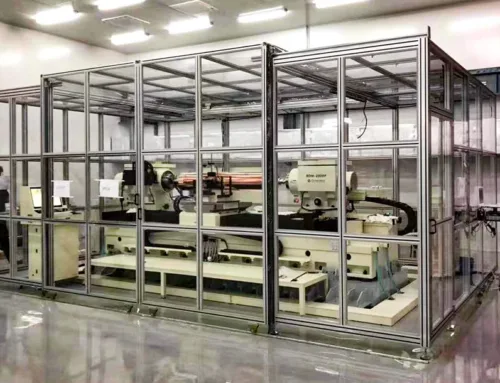
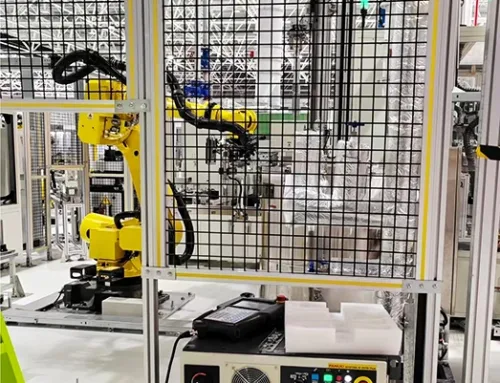
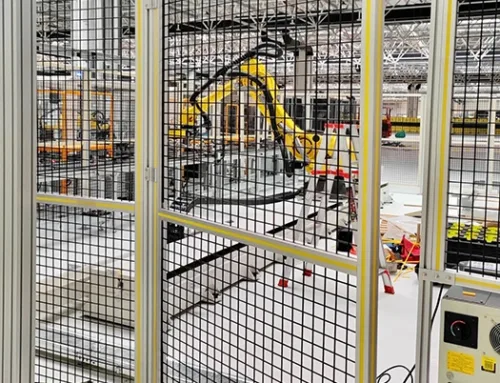
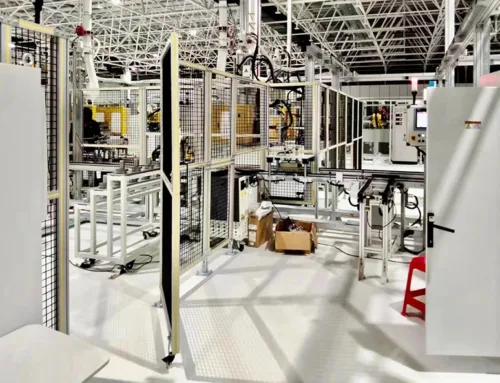
For system integrators delivering turnkey solutions, the physical barrier is often the final hurdle before site acceptance. It is not merely about erecting a steel cage; it is about how that barrier integrates with the high-speed dynamics of industrial robots and the logical requirements of the control equipment. Mdfence offers a TUV-certified, modular Industrial Safety Fencing system designed to withstand the kinetic energy of modern automated production lines while eliminating on-site welding. Our solution bridges the gap between mechanical durability and electrical safety integration. |
Redefining the Role of Physical Guarding in Robotics Integration
In the context of a Robotics Integration project, the perimeter guard performs two critical functions: containment of high-velocity hazards and defining the safe interaction zone for operators. The traditional approach of fabricating fences from raw structural aluminum or general steel often leads to “build to print” inefficiencies, where every modification requires cutting and welding.
Mdfence utilizes a Q235 carbon steel matrix with a framed panel design (20x30mm frame), engineered specifically to absorb impact energy rather than brittle failure. This material choice is crucial for automotive welding stations and heavy material handling areas, where the risk of collision from robotic arms or forklifts is a tangible operational reality. By standardizing the manufacturing materials and utilizing high-quality powder coating, we ensure that the physical infrastructure supports, rather than hinders, the longevity of the CNC machinery enclosed within.
The “Last Mile” Challenge: Integrating Control Logic with Mechanical Barriers
Eliminating On-Site Fabrication for Safety Switches
One of the most significant friction points for electrical engineers on site is the mounting of safety interlocks. Typically, installing a safety switch (such as Omron or Pizzato) onto a steel post involves drilling and tapping holes in a finished environment. This not only damages the anti-corrosion coating but also introduces metal shavings into clean assembly systems.
We solve this through our proprietary “Safety Interlock Carrier” technology. Mdfence provides pre-engineered mounting brackets compatible with major control equipment brands. This allows the Industrial Safety Fencing to serve as an immediate host for the safety logic, enabling a plug-and-play connection to the PLC (Programmable Logic Controller). This seamless integration reduces commissioning time and ensures that the access control systems are mechanically rigid and aligned from day one.
 Pre-configured mounting interfaces for seamless safety switch integration. |
Adapting to Complex Robotics Layouts and Workflows
Dedicated manufacturing lines rarely follow a simple square footprint. They must weave around columns, accommodate conveyors, and provide specific access points for maintenance. A rigid fencing system forces the layout to compromise; a modular system adapts to the process.
Our system offers a variety of door configurations—hinged, sliding, and folding—to match the operational flow. For instance, in a CNC machining center where space is at a premium, a sliding door eliminates the swing radius required by a hinged door. Furthermore, our ability to customize post heights (up to 2440mm) ensures that even high-reach industrial robots are adequately contained, meeting the stringent requirements of Industrial Safety Standards Organizations. This flexibility allows system integrators to design the robotics layouts based on efficiency first, knowing the safety perimeter can conform to the optimal design.
Meeting Global Compliance for Export-Ready Systems
For integrators shipping custom machinery to markets like the USA or Europe, compliance is non-negotiable. The Mdfence system is rigorously tested and TUV certified, ensuring alignment with ISO 14120 and ISO 13857 standards.
By utilizing a pre-certified Industrial Safety Fencing solution, you effectively transfer a portion of the liability risk. The fence is not just a collection of steel parts; it is a verified safety component. This is particularly valuable when dealing with the Automotive Industry Association standards, where the documentation trail for safety equipment is as critical as the equipment itself. We provide the structural assurance that allows you to focus on the core value of your automation logic.
Frequently Asked Questions (FAQ)
1. How does the modular design of Mdfence impact the installation time on site?
The modular design eliminates the need for cutting or welding on site. Components are connected using standard fasteners and adjustable fixing rings, which can reduce installation time by up to 40% compared to traditional fabricated fencing, allowing for faster project handover.
2. Can Mdfence integrate with my existing safety light curtains and interlocks?
Yes. We offer specific mounting kits and “Lock Carriers” designed to interface with major safety switch brands and light curtains. This ensures mechanical alignment and simplifies the electrical integration with your control system.
3. Is the fencing system suitable for harsh industrial environments like welding stations?
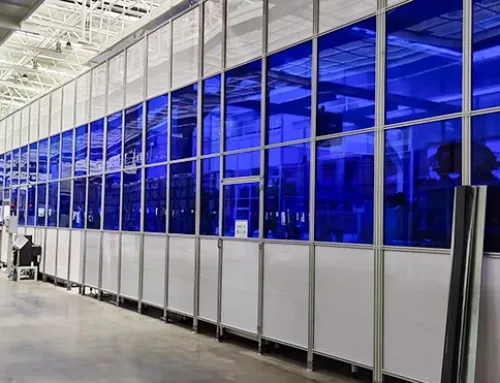
Absolutely. The system is manufactured from Q235 carbon steel and finished with a high-quality powder coating that passes ISO9227 salt spray testing. For welding areas, we can replace mesh panels with solid steel or polycarbonate sheet panels to contain sparks and arc flash.
4. What happens if a forklift damages a section of the fence?
Due to the modular construction, you do not need to replace the entire run of fencing. Individual panels or posts can be unbolted and replaced quickly, minimizing downtime and maintenance costs compared to welded systems.
5. Do you provide CAD support for custom layouts?
Yes, we assist system integrators by converting their floor plans into precise fence layouts. We provide the necessary BOM (Bill of Materials) and CAD drawings to ensure the fencing fits perfectly around your specific machinery and building columns.