EN
EN  DE
DE  RU
RU  PT
PT  JA
JA  ES
ES  IT
IT Robot Safety Fencing
Robot Safety Fencing for Scrap Yards and Dismantling Lines with Impact Containment
When heavy metal fragments fly off a scrap breaker or a forklift clips the line during material handling, a light guard is not enough. Robot Safety Fencing gives recycling plants a stronger barrier built for impact, debris control, and safer machine-side separation.
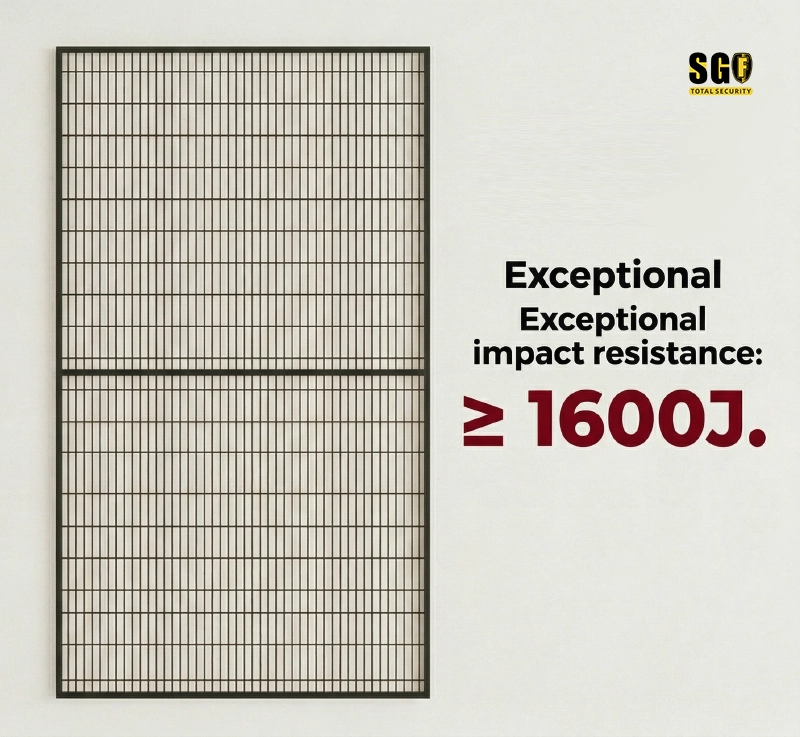
Why scrap and dismantling lines need a different guard specification
In a scrap yard, the real risk is not only access control. The fence has to absorb contact, resist deformation, and stop flying fragments before they reach walkways or nearby equipment. That is why lighter perimeter fencing fails: once a panel bends or breaks, the hazard is still active. Robot Safety Fencing is designed for this exact environment with a high-strength steel frame, anti-entrapment mesh, and verified impact resistance.
| Requirement | Robot Safety Fencing response |
|---|---|
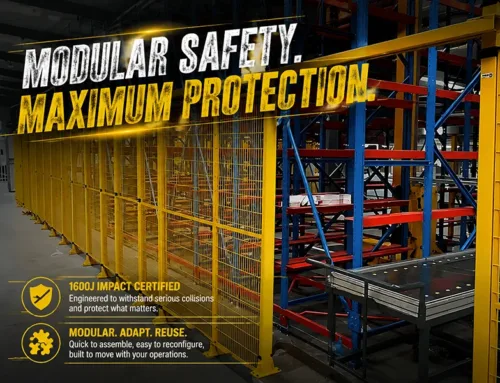
| High-impact collision risk | Q235 carbon structural steel main frame with 60×60 mm posts and TÜV safety certification, rated to withstand up to 1600 joules of impact energy. |
| Flying debris from breakers | 20×100 mm micro mesh helps block expelled metal pieces and supports safer separation along the machine line. |
| Forklift or handling vehicle contact | Rigid structure reduces panel deformation under accidental bumps and keeps the guarding line functional after minor impact events. |
| Pinch and entrapment concerns | Fine aperture design reduces hand access and improves safety near moving equipment and busy maintenance zones. |
| Plant-wide safety consistency | Engineered for scrap processing, car dismantling, and other heavy-duty recycling zones where protection cannot rely on light fence panels. |
Three structural reasons it matches this duty
1) Impact-ready frame built for repeated knocks
The main reason ordinary fencing fails in recycling yards is simple: it was never meant to take a hit. Robot Safety Fencing uses Q235 carbon structural steel and 60×60 mm uprights to create a rigid safety line that can absorb accidental contact from forklifts, carts, and handling equipment. The TÜV-certified impact rating up to 1600 joules gives plant managers a measurable basis for choosing a guard that can survive the abuse of real industrial traffic.
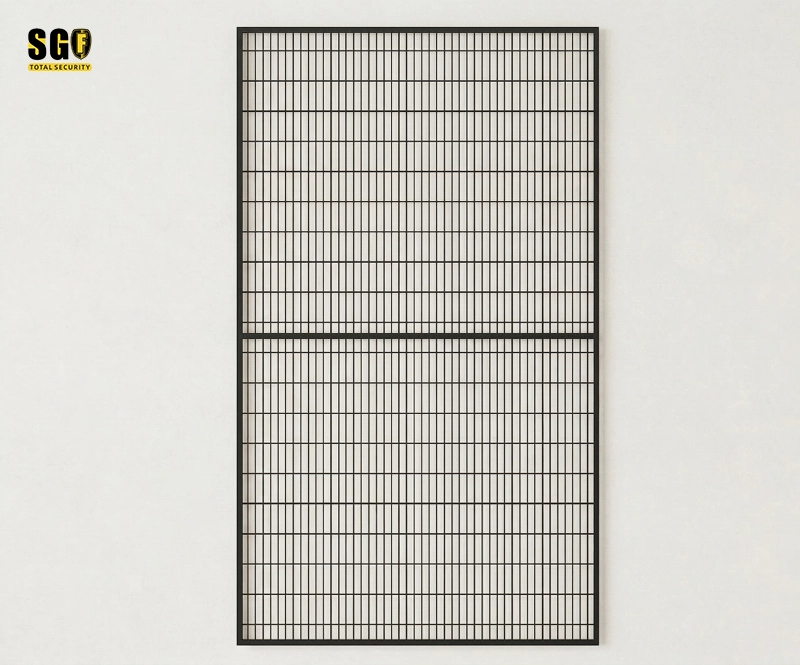
2) Micro mesh that helps stop flying metal before it becomes a hazard
Scrap breakers and dismantling equipment can throw out sharp fragments at unpredictable angles. The 20×100 mm anti-entrapment micro mesh is not just a visibility feature; it is a containment layer that helps intercept flying debris and reduces the chance of hand access near moving machinery. For operators working close to the line, that matters as much as the frame strength.
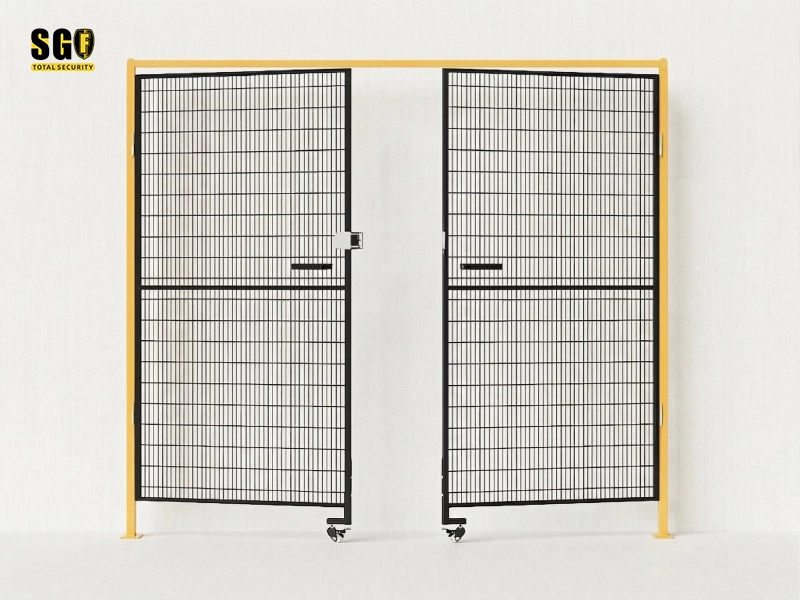
3) Better fit for mixed-traffic recycling sites
Many facilities have both process risk and vehicle risk in the same zone. The fence line has to protect operators from the machine side and stay standing after a minor collision on the logistics side. Robot Safety Fencing is suited to this kind of mixed-traffic layout because it combines impact resistance, a tighter mesh pattern, and a guarding format that can be used around scrap sorting, dismantling, and machine-side exclusion areas.
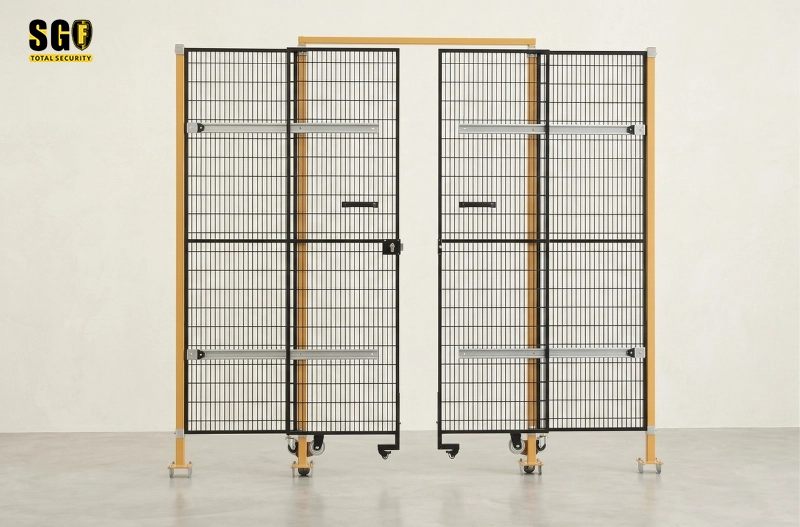
Where this guarding specification is most useful
- Scrap metal shredding and breaker enclosures
- Car dismantling and parts recovery lines
- Forklift-access zones beside machine guarding
- Walkway separation around high-impact recycling equipment
- Plant areas where flying debris and accidental contact must be controlled together
These are not generic fence applications. They are the exact places where a light perimeter guard becomes a weak point. Robot Safety Fencing is built to keep the barrier useful after daily operation, not just after installation.
What to specify before you order
For a scrap or dismantling line, specify the collision energy, the type of vehicle traffic, the debris direction, and the required safety aperture. Then match those needs to the frame size, mesh opening, and certification level. With Robot Safety Fencing, the core specification already aligns with heavy-duty industrial risk: Q235 steel, 60×60 mm posts, 20×100 mm micro mesh, and a 1600 joule impact rating.
Choose Robot Safety Fencing for heavy-duty recycling protection
If your current guard bends, opens up gaps, or leaves operators exposed to flying metal, the fix is not a cosmetic upgrade. You need a stronger fence system built for the energy levels and traffic conditions of modern recycling plants. Robot Safety Fencing is that upgrade.