EN
EN  DE
DE  RU
RU  PT
PT  JA
JA  ES
ES  IT
IT Industrial Safety Fencing
Industrial Safety Fencing for Explosive Scrap Dismantling Retrofits
When a scrap dismantling line contains residual fuel, oil, and metal dust, every retrofit becomes a fire-risk decision. Mdfence is built for cold-work installation: no welding, no cutting, no sparks, fast assembly, and repeatable reconfiguration when the line changes.
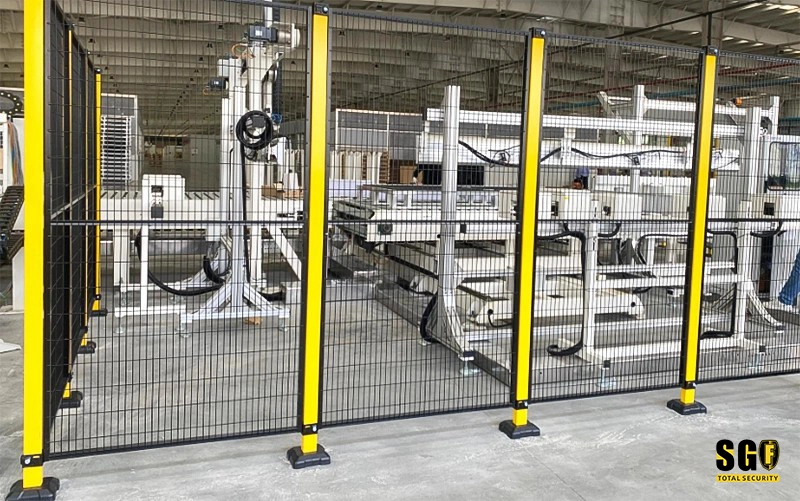
Why this fencing system fits high-fire-risk retrofit zones
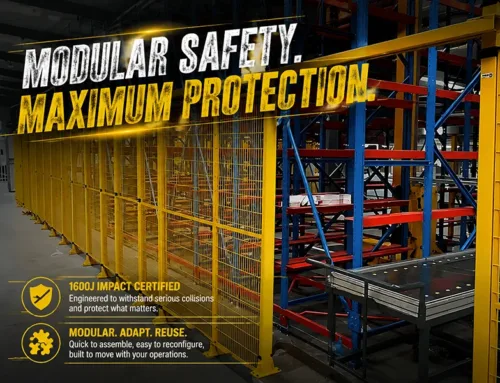
For an automotive dismantling area or any dust-heavy production zone, the core issue is not only protection. It is how to build, modify, and reuse the barrier without introducing hot work. Mdfence supports cold assembly, quick re-layout, and high reuse, which helps cut shutdown time and avoids turning yesterday’s fence into tomorrow’s scrap.
| Retrofit requirement | Mdfence response |
|---|---|
| No welding or cutting on site | Clip-based modular assembly supports 100% cold work with no sparks, helping reduce fire and explosion exposure during installation. |
| Frequent line changes | The system can be disassembled and rebuilt without damage, so layout changes do not force full replacement. |
| Low downtime cost | Fast mechanical assembly shortens outage windows compared with welded or cut-to-fit fencing. |
| Asset reuse | Reconfiguration preserves most of the original components, driving reuse rates above 95% in repeat retrofit scenarios. |
| Visible evidence for buyers | Product photos and structure views show weld seams, clamps, base plates, and assembly logic instead of abstract claims. |
Structure evidence behind the cold-work advantage
1) Material and base structure that supports rapid retrofit
The product advantage board shows the weld seam, coating, caliper reference, and base plate details in one frame. That matters in an explosive or dusty environment because the buyer needs proof that the system is built for industrial use, not temporary crowd control. The base structure is designed for fast mechanical positioning, which helps keep retrofit work simple and controlled.
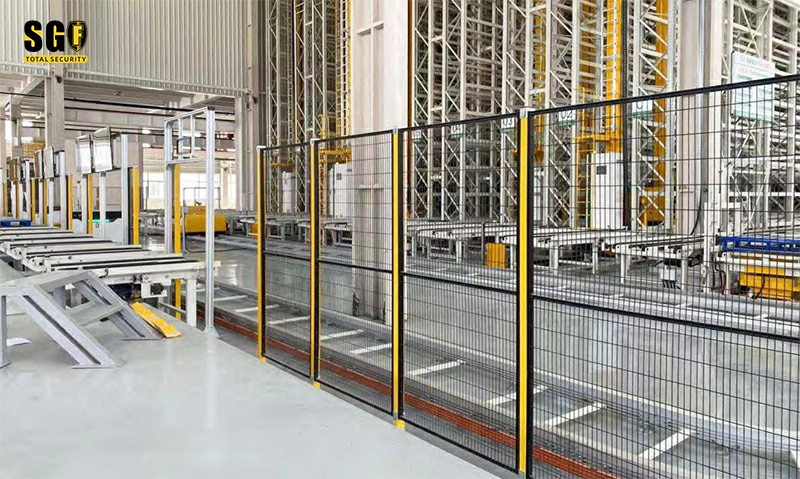
2) Modular fit that avoids hot work on site
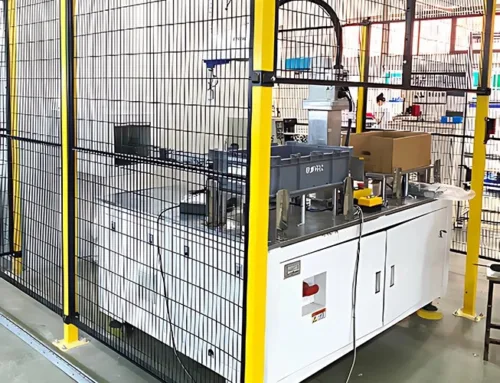
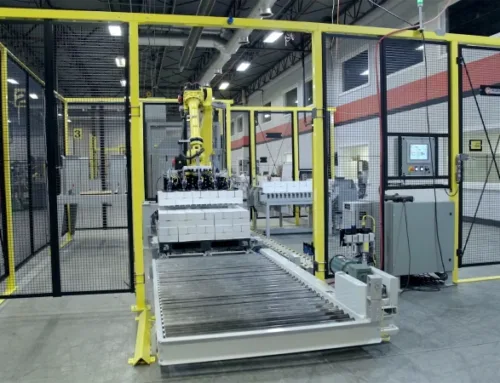
The technical front view makes the post, mesh panel, and fixing clamp relationship easy to read. That is the point: the fence is not dependent on field welding. It is a modular system that can be installed, adjusted, and expanded with mechanical connections, which is exactly what a plant needs when a production line changes frequently and shutdown time is expensive.
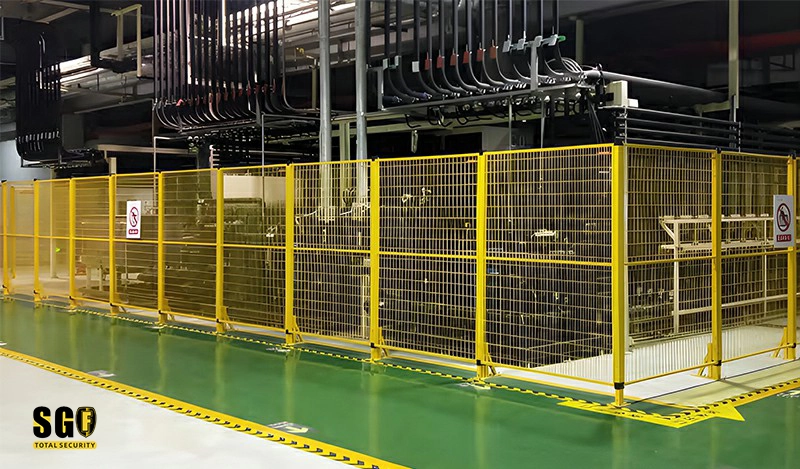
3) Fast assembly and clean reconfiguration
The installation diagram shows the assembly logic clearly: base plate positioning, fastening sequence, and retaining-ring style connection points. In practical retrofit work, this means the fence can be put together quickly and taken apart without destroying the original components. For a client managing a high-risk scrap line, that is the difference between a one-time expense and a reusable safety asset.
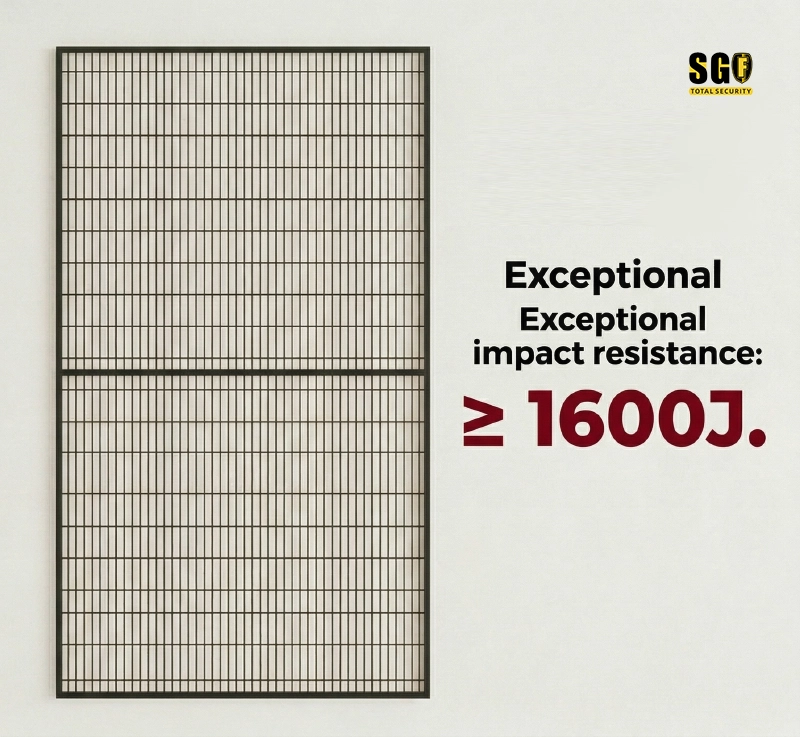
Where Industrial Safety Fencing solves the problem first
- Automotive dismantling lines with residual fuel, oil, or contamination that make hot work unacceptable.
- Metal dust zones where sparks from welding or cutting can trigger a fire event.
- Plants with frequent line upgrades that need a fence system to be reused, not scrapped.
- Multi-phase retrofit projects where the barrier must be installed fast and adjusted again later.
In these applications, Mdfence is selected not because it is merely a fence, but because it is a cold-work safety system. It helps the client protect the line during operation, avoid introducing ignition sources during installation, and preserve the value of the original asset when the layout changes.
What to confirm before specifying the fence
Start with the real retrofit condition: hazard class, available shutdown window, future line-change frequency, and the need for reusability. Then match the modular panel layout, fastening method, and assembly sequence to that condition. For a high-fire-risk zone, the right answer is the one that removes hot work from the installation plan and keeps the asset reusable after the next change.
Plan a safer retrofit without welding
If your project has to protect people, reduce stop time, and survive future line changes, Mdfence gives you a practical Industrial Safety Fencing path: cold work on site, fast installation, and high reuse after reconfiguration.